.webp&w=384&q=75)

Loading, please wait...
Loading, please wait...

The Democratic Republic of Congo (DRC) is currently facing a severe public health emergency. This crisis is due to an escalating outbreak of the rare Bundibugyo Ebola virus. Consequently, global researchers are accelerating efforts in Ebola vaccine development and therapeutic research to stem the crisis. Since the outbreak began, over 130 people have died in the DRC. Therefore, the World Health Organization (WHO) has declared this outbreak a Public Health Emergency of International Concern (PHEIC). However, no approved vaccines or treatments exist specifically for this strain. Because of this, scientists are rushing to evaluate candidates that have shown promise in preclinical studies.
The Bundibugyo ebolavirus is one of the three main species responsible for major outbreaks in Africa. It is genetically distinct from the Zaire and Sudan strains. Furthermore, this rare strain has only caused two documented outbreaks before the current 2026 crisis. Because the virus is genetically distinct, the widely used Ervebo vaccine does not offer reliable protection. In addition, the current outbreak has quickly crossed borders into neighboring Uganda, raising serious regional concerns. As a result, healthcare workers face immense difficulties in controlling transmission. Meanwhile, the WHO is coordinating international response teams to establish diagnostic protocols and supportive care guidelines in the affected zones.
To address this critical gap, multiple research institutions are fast-tracking their candidates. For instance, virologist Thomas Geisbert has designed a single-injection viral vector vaccine. This candidate successfully protected nonhuman primates in preclinical trials. Similarly, Oxford University is collaborating with the Serum Institute of India. Subsequently, they are preparing their viral vector vaccine, ChAdOx1 BDBV, for rapid clinical trials. Furthermore, Chinese researchers recently published promising data on an mRNA vaccine targeting three main Ebola strains. However, some experts warn that these mRNA formulations are expensive to produce. Additionally, they require strict cold-chain logistics, which might limit their use in rural African settings. Although these challenges exist, international funding agencies are trying to incentivize pharmaceutical companies to support clinical trials.
In parallel, researchers are evaluating experimental treatments in Ebola-hit areas. For example, the antiviral drug remdesivir shows strong in vitro activity against the Bundibugyo strain. Therefore, a WHO-sponsored trial may soon deploy this drug to clinical sites in the DRC. In addition, Mapp Biopharmaceutical has developed MBP134. Indeed, this monoclonal antibody cocktail effectively protects infected animals even after symptom onset. Because clinical trials require host nation approval, investigators are working closely with local governments. They aim to secure rapid ethical clearance in both the DRC and Uganda. Ultimately, a combination of prompt supportive care, vaccine trials, and experimental therapies will be crucial to control this public health emergency.
Q1: Why is the Bundibugyo Ebola strain more difficult to manage than the Zaire strain?
The Bundibugyo strain is genetically distinct from the Zaire strain, meaning that existing licensed vaccines like Ervebo and monoclonal antibody therapies do not offer effective cross-protection. Consequently, health authorities must rely heavily on supportive care and rapid research into new, strain-specific medical countermeasures.
Q2: What vaccine candidates are currently under development for the Bundibugyo strain?
Several candidates are in development, including a viral vector vaccine designed by Dr. Thomas Geisbert, the ChAdOx1 BDBV vaccine from Oxford University in partnership with the Serum Institute of India, and a novel mRNA vaccine from Chinese researchers. However, most of these candidates have only been tested in animal models and require clinical trials in humans.
Q3: Are there any experimental therapeutic treatments being tested in the current outbreak?
Yes, currently, two primary experimental treatments are being considered for WHO-sponsored trials: the broad-spectrum antiviral remdesivir, which has shown strong laboratory activity against Bundibugyo, and MBP134, a monoclonal antibody developed by Mapp Biopharmaceutical that demonstrated excellent survival benefits in preclinical monkey studies.
Disclaimer: This content is for informational and educational purposes only. It does not constitute medical advice or replace professional judgment. Refer to the latest local and national guidelines for clinical practice.
References

Read summarized clinical updates, watch expert medical content, and earn CME certifications right from your smartphone.
Open your smartphone camera to scan and install.





With over 130 dead in the DRC, scientists race to develop and trial new vaccines and treatments for the rare Bundibugyo Ebola strain....
4 months ago
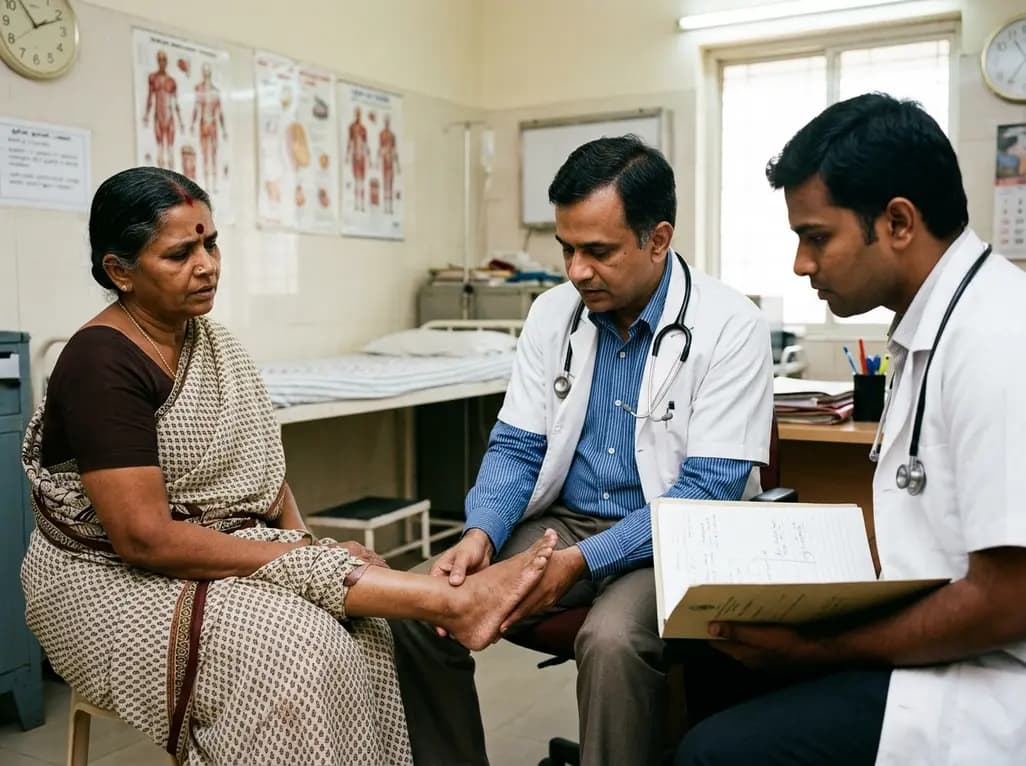
Discover how to identify superimposed entrapment neuropathy in diabetic patients. This review details clinical evaluation, surgical decompression evidence, and a structured algorithm for primary care referrals to prevent ulcers and preserve limb function.
Today

A retrospective cohort study evaluated 1,000 low-risk singleton births to assess maternal and neonatal outcomes during office-hours versus off-hours. Off-hours deliveries were significantly associated with higher odds of intrapartum cesarean sections and episiotomies, highlighting critical obstetric staffing considerations.
Today
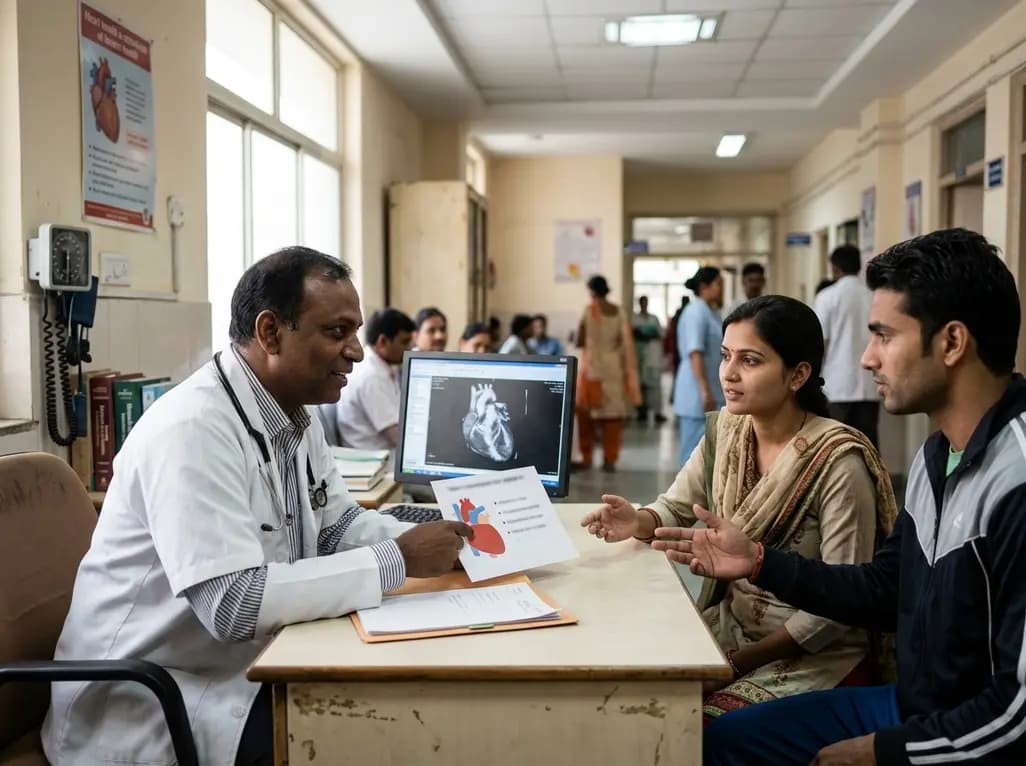
New clinical evidence demonstrates a shift away from strict exercise restrictions in genetic heart disease. While patients with channelopathies engage in more vigorous activity than those with cardiomyopathies, shared decision-making and individualized risk assessments ensure safe, beneficial exercise participation.
Today
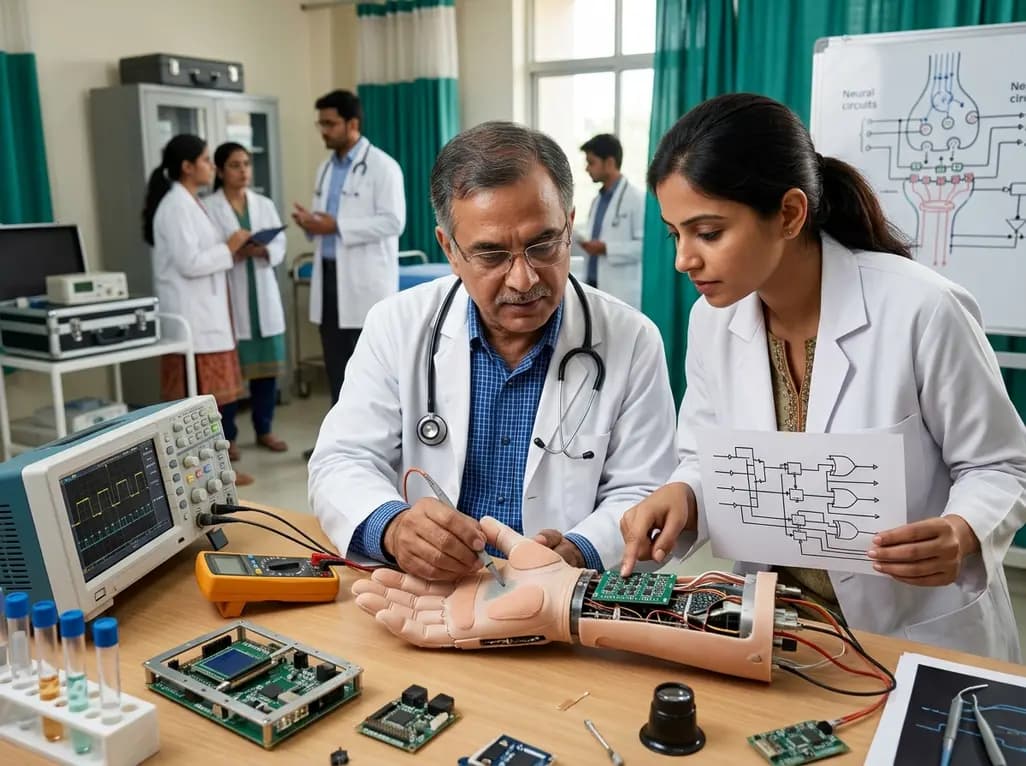
Researchers have engineered an artificial sensory-pain integrated receptor using a multi-threshold organic synaptic transistor. The system distinguishes benign touch from noxious stimuli, enabling safer, more responsive prosthetic limbs with built-in memory and simplified hardware architecture.
Today
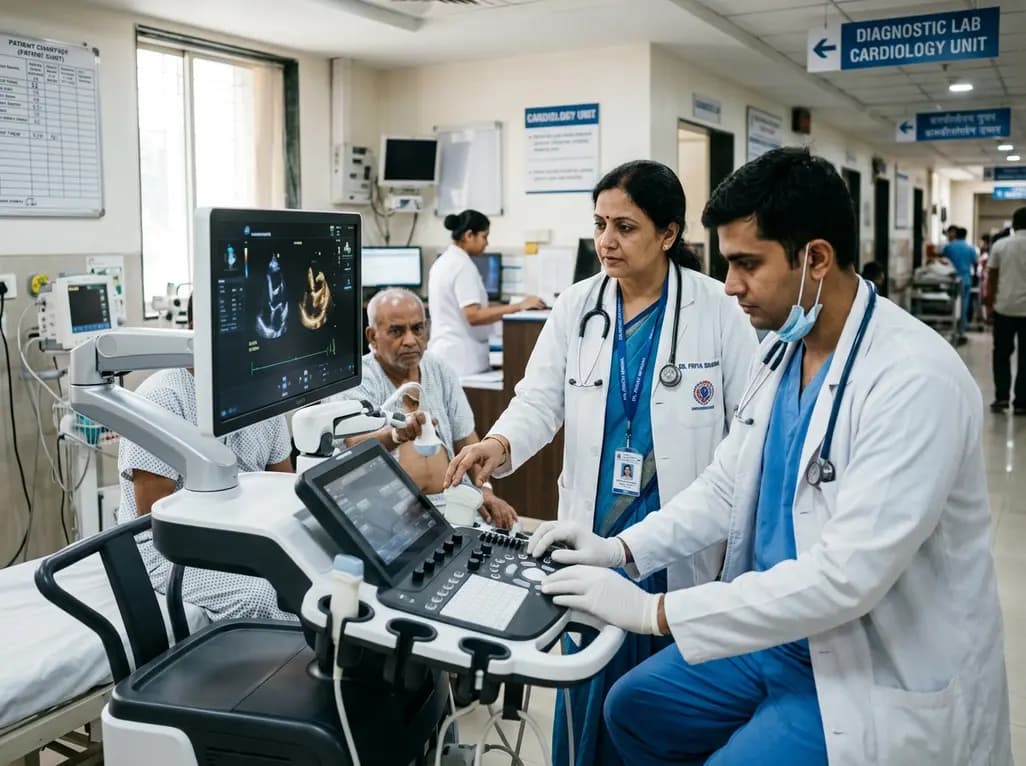
Medical robotics is transitioning beyond operative suites into diagnostics, cardiology, and endocrinology. Explore how innovations in tele-robotics, AI integration, and nanomedicine are overcoming geographical barriers and transforming precision healthcare delivery across India's evolving disease landscape.
Today
