.webp&w=384&q=75)

Loading, please wait...
Loading, please wait...

Drug-induced liver injury (DILI) presents a significant hurdle for drug development and clinical practice. Most cases of hepatotoxicity stem from complex drug-induced liver injury mechanisms. Specifically, growing evidence identifies mitochondria as the primary targets for many toxic xenobiotics. These organelles maintain cellular energy and redox balance. Consequently, any disruption to their function can lead to rapid hepatocyte death. This article explores how mitochondrial pathways influence liver health and highlights new tools for early detection.
Research identifies several distinct pathways through which drugs damage the liver. For instance, many medications disrupt oxidative phosphorylation, which halts ATP production. In addition, some xenobiotics inhibit fatty acid β-oxidation. This inhibition leads to the accumulation of lipids and increases cellular stress. Furthermore, mitochondrial DNA (mtDNA) damage represents a critical event in chronic drug exposure. When these pathways converge, they trigger the mitochondrial permeability transition. This process releases pro-apoptotic factors that eventually cause extensive hepatocellular injury. Therefore, understanding these drug-induced liver injury mechanisms is vital for predicting pharmacological risk.
Early detection remains the most effective way to mitigate liver damage. Modern medicine now looks beyond traditional liver enzymes like ALT. Specifically, experts are evaluating glutamate dehydrogenase (GDH) and circulating mtDNA as more precise indicators of mitochondrial health. Moreover, microRNAs provide a non-invasive way to monitor cellular responses to drugs. To improve safety assessments, scientists use advanced experimental models such as liver organoids and humanized mice. These systems offer better predictive value than traditional animal models. Consequently, they allow for a deeper mechanistic understanding of how new drugs interact with human liver cells.
Identifying mitochondrial targets helps clinicians validate injury pathways in patients. Furthermore, this knowledge informs strategies for pharmacological risk mitigation. By integrating mitochondrial biology with toxicology, healthcare providers can improve patient outcomes. Future therapies may even focus on protecting mitochondrial integrity to prevent DILI during drug development.
Drugs often disrupt oxidative phosphorylation and inhibit fatty acid β-oxidation. These actions deplete cellular ATP and increase oxidative stress. Additionally, the opening of the mitochondrial permeability transition pore can trigger rapid cell death.
Traditional tests like ALT often show damage only after significant injury occurs. In contrast, biomarkers like glutamate dehydrogenase (GDH) and circulating mitochondrial DNA provide specific mechanistic insights. These markers help clinicians detect injury earlier and understand the underlying cause of toxicity.
Disclaimer: This content is for informational and educational purposes only. It does not constitute medical advice or establish a doctor-patient relationship. Always seek the advice of a qualified healthcare provider regarding any medical condition or treatment. Refer to the latest local and national guidelines for clinical practice.
References
Verma BK et al. Drug-Induced Liver Injury: Mitochondrial Mechanisms, Biomarkers, and Emerging Therapeutic Strategies. Chem Res Toxicol. 2026 May 07. doi: 10.1021/acs.chemrestox.6c00030. PMID: 42096259.
Ramachandran A, Jaeschke H. Mitochondrial dysfunction as a mechanism of drug-induced hepatotoxicity: current understanding and future perspectives. J Clin Transl Res. 2024.
Church RJ, Watkins PB. Biomarkers of drug-induced liver injury: progress and utility in research, medicine, and regulation. PMC. 2024.
"
Read summarized clinical updates, watch expert medical content, and earn CME certifications right from your smartphone.
Open your smartphone camera to scan and install.





A comprehensive review of mitochondrial pathways in drug-induced liver injury, highlighting emerging biomarkers and translational models for drug safety....
5 months ago

A retrospective analysis reveals that cavotricuspid isthmus ablation using a variable-loop pulsed field ablation catheter achieves acute conduction block safely and efficiently during concomitant atrial fibrillation procedures.
Today
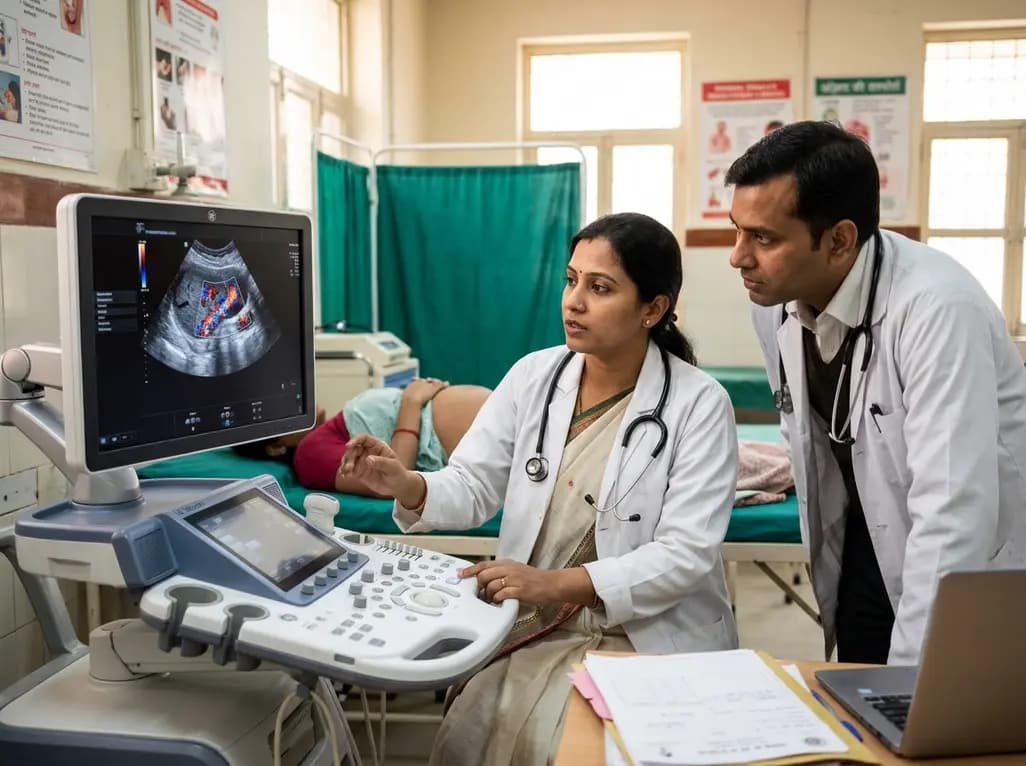
A study in Ultrasound in Obstetrics & Gynecology shows that quantitative vascularization of the anterior fornix/cervix with transvaginal ultrasound reliably identifies placenta accreta spectrum and predicts severe intraoperative hemorrhage, offering vital objective risk stratification.
Today
A clinical study highlights how coupling interval variability assessed through Poincaré plots differentiates right ventricular outflow tract premature ventricular contractions from left ventricular origins, optimizing patient selection and procedural strategy for radiofrequency catheter ablation.
Today

A novel proof-of-concept study presents a six-degree-of-freedom articulated manikin neck equipped with linear potentiometers. The system provides real-time kinematic motion feedback during cervical immobilisation, delivering sub-degree tracking accuracy to improve pre-hospital trauma training and patient safety.
Today
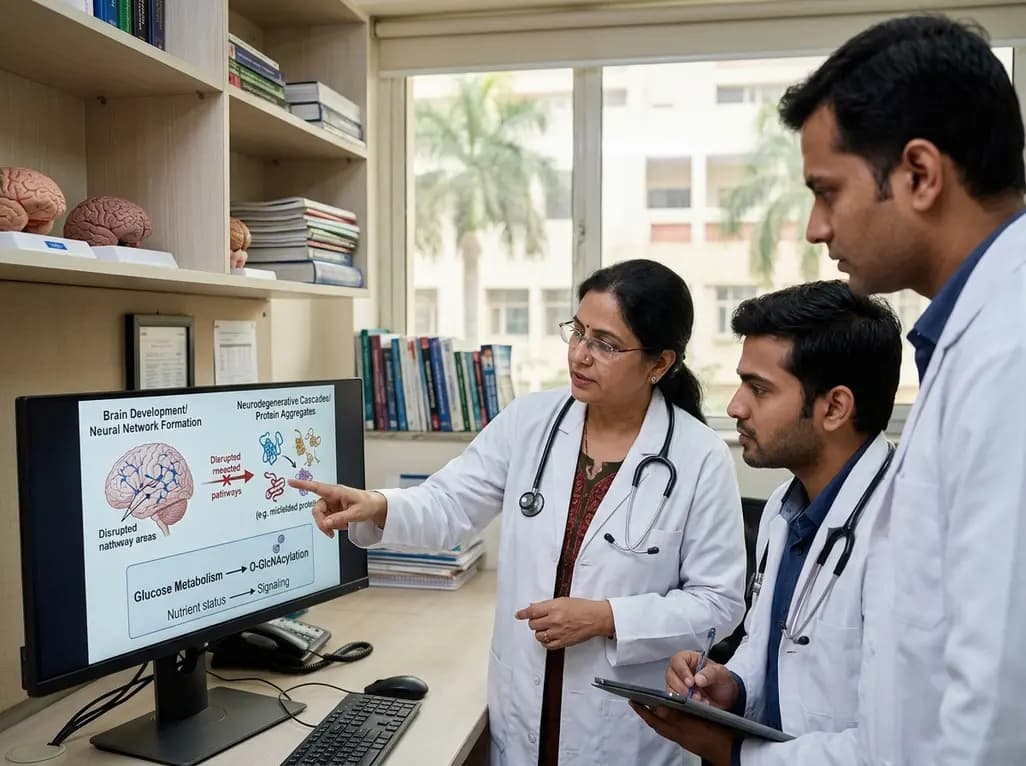
Protein O-GlcNAcylation couples cellular nutrient status to vital neuronal functions. This review explores how disrupted O-GlcNAc cycling drives both neurodevelopmental delays and neurodegenerative cascades, positioning metabolic post-translational modifications as therapeutic targets in clinical neurology.
Today
