.webp&w=384&q=75)

Loading, please wait...
Loading, please wait...

Diminished ovarian reserve is becoming a significant concern for reproductive health in India. Specialists observe a trend where younger women seek fertility care due to a declining oocyte pool. Consequently, understanding this biological shift is essential for early intervention and reproductive planning.
While age is the most universal determinant, multiple additional contributors now influence the pace of ovarian decline. For example, medical conditions such as endometriosis and ovarian endometriomas can damage healthy tissue. Furthermore, surgical procedures like cyst removal may inadvertently reduce the number of follicles. Therefore, clinicians must assess both medical history and lifestyle factors during evaluations. Additionally, environmental exposures and smoking significantly accelerate the biological clock. Chronic metabolic stress and endocrine-disrupting chemicals also play a role in earlier ovarian aging. Consequently, a complex interaction between genetics and environment often dictates a woman's reproductive timeline.
Recent research from India highlights a concerning pattern regarding anti-Müllerian hormone (AMH) levels. A large study involving over 54,000 women found that nearly one-third of those under 30 had lower-than-expected ovarian reserves. Because AMH serves as a key biomarker, it helps clinicians estimate the remaining egg supply. However, a diagnosis of diminished ovarian reserve does not automatically equate to infertility. Instead, it indicates a narrowing window for conception, making timely decision-making extremely important. Many women remain asymptomatic until they attempt to conceive. Therefore, regular fertility assessments are becoming vital in modern reproductive healthcare.
Early diagnosis plays a crucial role in managing reproductive health effectively. Beyond medical management, the emotional aspects of fertility care require careful attention. Since motherhood is often tied to social identity, a diagnosis can be deeply distressing. Moreover, counseling should balance scientific realism with hope. Ultimately, the growing recognition of this condition reflects a shift toward proactive health awareness. As women delay childbearing for career or education, they must understand their biological timelines. Consequently, greater awareness empowers women to make informed choices about family planning and long-term well-being.
Q1: What are the common symptoms of diminished ovarian reserve?
Symptoms are often subtle or absent. However, some women may experience shorter menstrual cycles, irregular periods, or recurrent miscarriages. Many discover the condition only during an infertility evaluation.
Q2: Does a low AMH level mean I cannot get pregnant naturally?
No, a low AMH level indicates a reduced quantity of eggs, but it does not eliminate the possibility of pregnancy. It simply suggests that the reproductive window is shorter, requiring more urgent planning.
Q3: Can lifestyle changes improve my ovarian reserve?
While you cannot increase the total pool of eggs, you can protect the existing quality. Avoiding smoking, managing metabolic stress, and reducing exposure to toxins may help slow the rate of decline.
Disclaimer: This content is for informational and educational purposes only. It does not constitute medical advice or replace professional judgment. Refer to the latest local and national guidelines for clinical practice.
References

Read summarized clinical updates, watch expert medical content, and earn CME certifications right from your smartphone.
Open your smartphone camera to scan and install.





Diminished ovarian reserve is increasingly affecting younger Indian women. Learn about the causes, diagnostic tools like AMH, and proactive fertility planni...
7 months ago
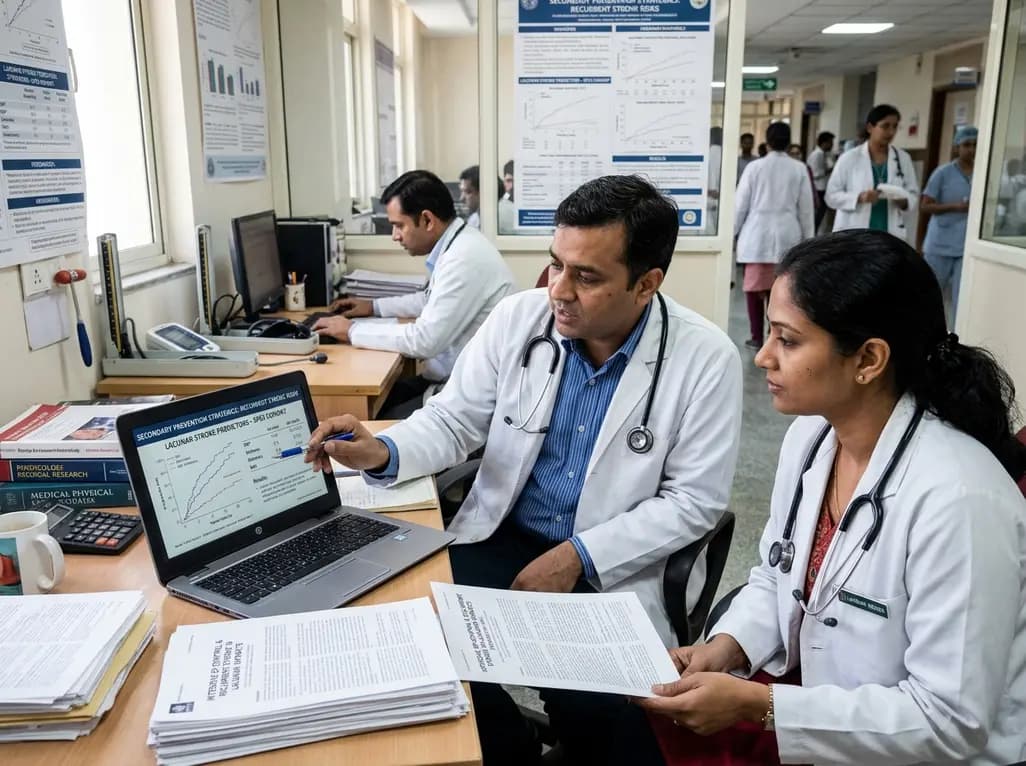
Explore vital recurrent stroke predictors in lacunar stroke patients managed with intensive blood pressure lowering. This analysis examines trial findings from SPS3 to uncover residual vascular risks, metabolic factors, and targeted secondary prevention strategies for high-risk neurological patients.
Today
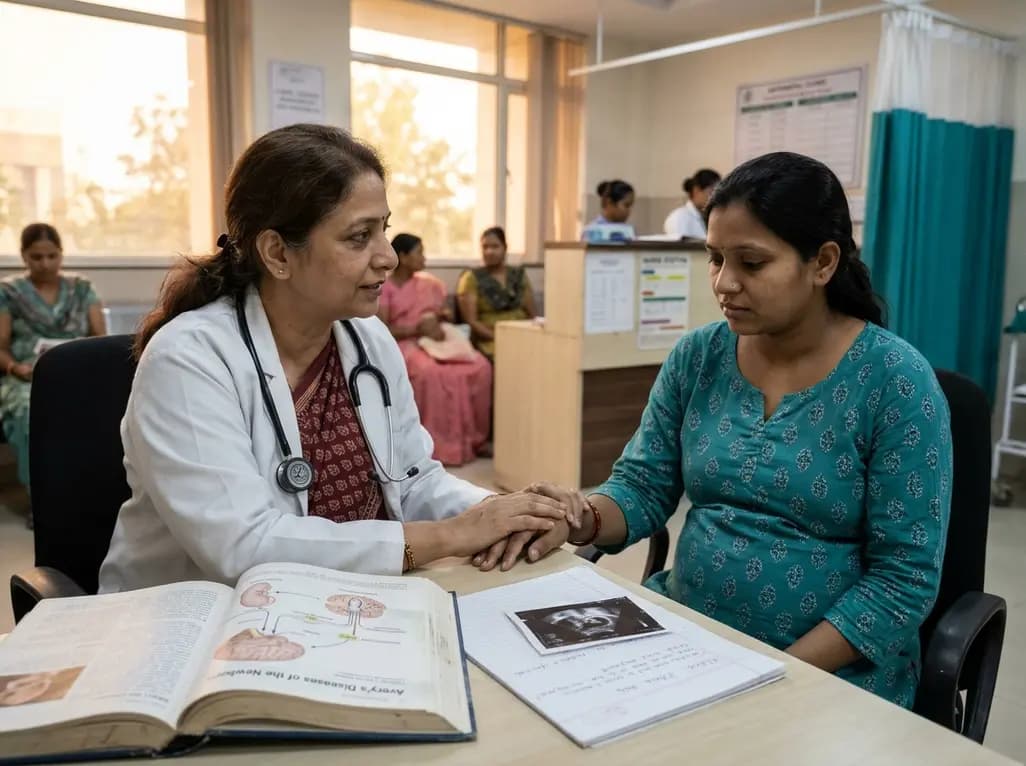
A comprehensive scoping review synthesises evidence linking prenatal maternal mental health to long-term offspring neurodevelopment, evaluating neuroendocrine, inflammatory, and epigenetic pathways while highlighting clinical screening and future research priorities.
Today

The Directorate General of Health Services directs Indian states to halt the hazardous reuse and reprocessing of single-use medical devices. Discover regulatory implications under the Drugs and Cosmetics Act, critical infection risks, legal liabilities, and operational changes required across clinical specialties.
Today
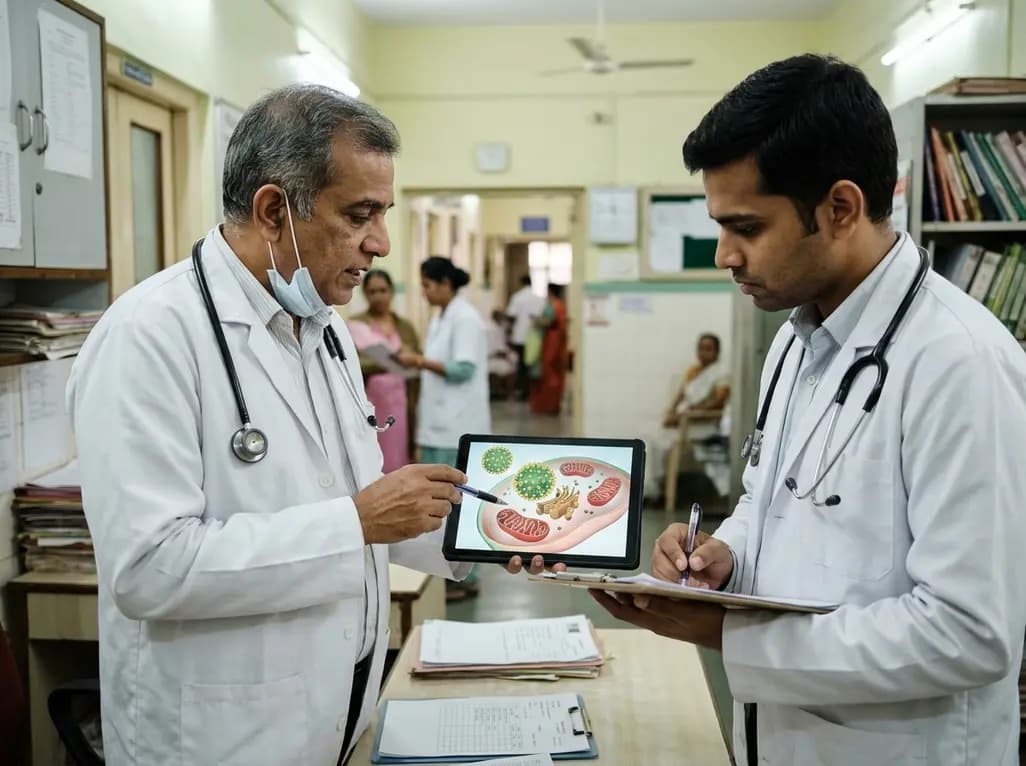
Mitochondria-targeted nanoparticles self-assembled from EGCG and L-glutamic acid effectively restore mitochondrial homeostasis, suppress synovial inflammation, and attenuate chondrocyte senescence in osteoarthritis, offering a promising disease-modifying nanotherapy.
Today

India is advancing preventive healthcare by integrating genomics, artificial intelligence, and quantum technologies. With the SANGAM programme sequencing one million Indian genomes, clinicians can unlock personalized therapies, detect cardiometabolic risks early, and curb the burden of diabetes and heart disease.
Today
