.webp&w=384&q=75)

Loading, please wait...
Loading, please wait...

IGF-I levels are stable and do not fluctuate like GH, which is secreted in pulses. Therefore, a single IGF-I measurement provides a more accurate reflection of chronic growth hormone excess than a random GH sample.
The oral glucose tolerance test (OGTT) is the gold standard for confirmation. It measures GH suppression; a nadir GH above 0.4 µg/L typically confirms the diagnosis when interpreted alongside elevated IGF-I levels.
AI algorithms analyze facial geometry and hand images to detect morphological patterns associated with acromegaly. These systems often outperform human experts in spotting early, subtle changes, potentially reducing the decade-long diagnostic delay.
Disclaimer: This content is for informational and educational purposes only. It does not constitute medical advice or replace consultation with a qualified healthcare professional. Refer to the latest local and national guidelines for clinical practice.
References
Yogi-Morren D et al. Diagnosis of Acromegaly. J Clin Endocrinol Metab. 2026 Apr 29. doi: undefined. PMID: 42056759.
Giustina A et al. Consensus on criteria for acromegaly diagnosis and remission. Pituitary. 2024 Feb;27(1):7-22.
Ohmachi Y et al. AI Model Can Diagnose Acromegaly Using Dorsal Hand, Fist Images. J Clin Endocrinol Metab. 2026 Feb 27.

Read summarized clinical updates, watch expert medical content, and earn CME certifications right from your smartphone.
Open your smartphone camera to scan and install.





A comprehensive clinical overview of the diagnosis of acromegaly, focusing on biochemical screening, confirmatory tests, and emerging AI technologies....
4 months ago

A New York City initiative successfully distributed over 48,000 COVID-19 oral antiviral prescriptions through rapid home delivery in 2022. With 92% delivered within 24 hours, the program safeguarded vulnerable and elderly populations, establishing an equitable framework for emergency drug distribution.
Today

A premature neonate developed upper limb compartment syndrome after uterine rupture extruded the arm through a scar defect. Conservative management with continuous monitoring yielded complete functional recovery and normal limb growth at 10-year follow-up, highlighting non-operative safety in selected cases.
Today
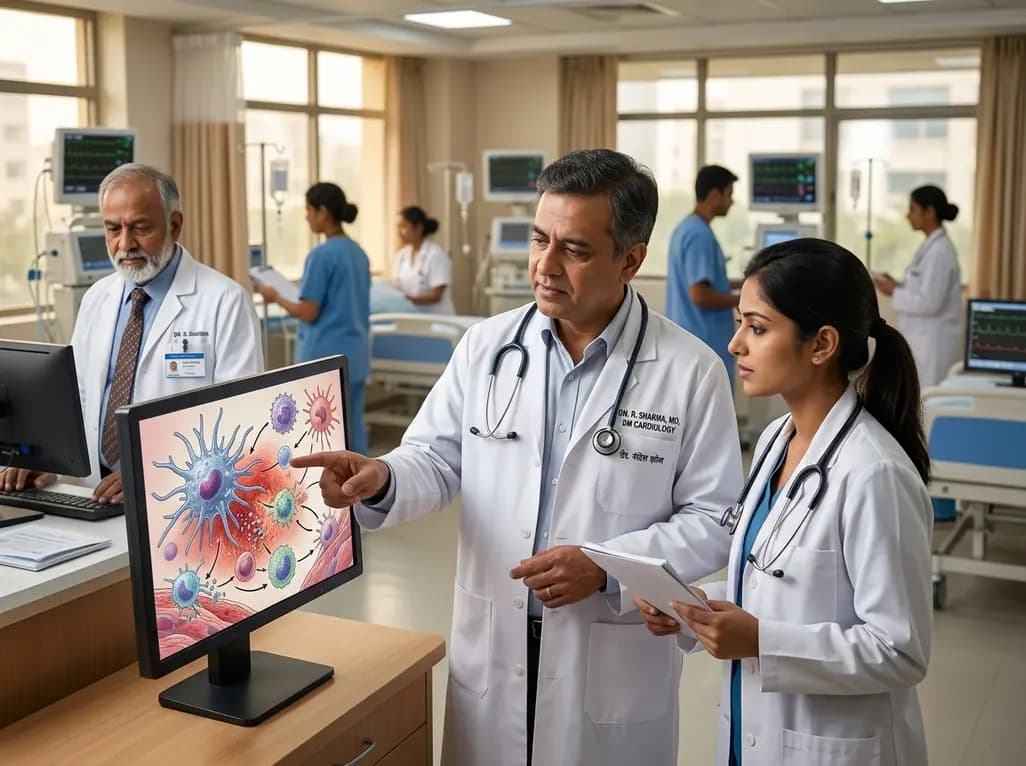
Dendritic cells bridge innate and adaptive immunity in myocardial infarction. This review explores their pathological roles, circulating dynamics, novel tolerogenic interventions, and how standard cardiovascular medications modulate dendritic cells to improve post-infarction myocardial repair and patient outcomes.
Today
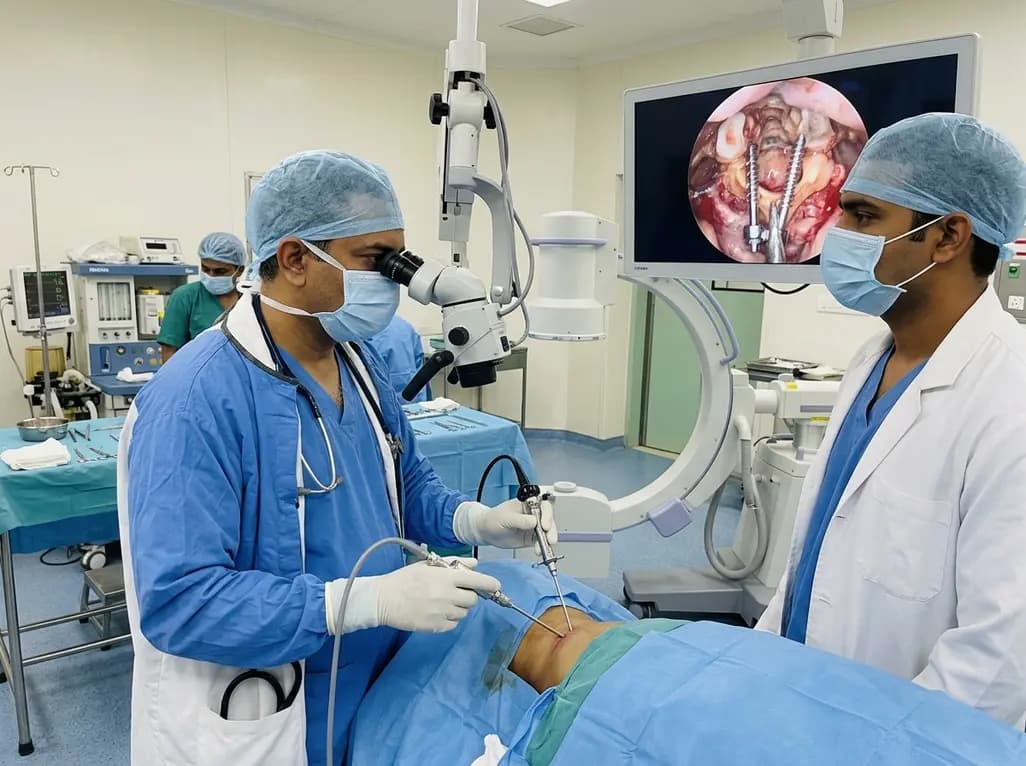
Endoscopic posterior cervical fusion combines minimally invasive decompression, joint preparation, and rigid screw-rod fixation for atlantoaxial pathologies. Early clinical findings demonstrate solid bony union, excellent symptom relief, and minimal soft-tissue morbidity without significant vascular compromise.
Yesterday
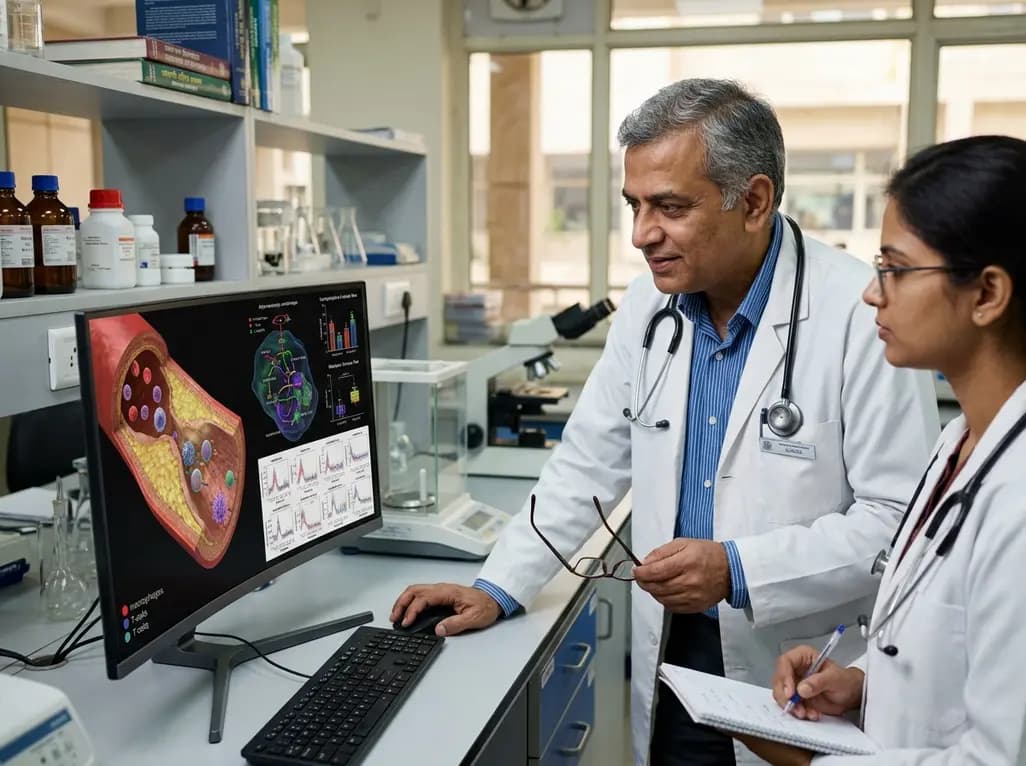
Atherosclerosis involves extensive glycometabolic reprogramming across immune and vascular cells. This review examines how glycolysis, the pentose phosphate pathway, and lactate-driven epigenetic shifts fuel plaque vulnerability, while highlighting novel therapeutic targets like PFKFB3 and LDHA.
Today
