.webp&w=384&q=75)

Loading, please wait...
Loading, please wait...

The co-morbidity of diabetes and tuberculosis poses a significant challenge to public health systems globally. Because diabetes mellitus increases the risk of mortality and treatment failure, integrated diabetes screening in TB patients is essential. A recent study in Burundi has highlighted the feasibility and outcomes of such systematic screening programs in resource-limited settings.
In this study, researchers assessed 324 individuals diagnosed with tuberculosis. Among these patients, the prevalence of diabetes was 6.8%. Furthermore, the "number needed to test" (NNT) to identify a single case was 15, which indicates high efficiency. Predictors of diabetes included a positive family history, tobacco consumption, and unemployment. Consequently, the findings support the integration of metabolic screening within TB treatment centers.
Implementing systematic screening requires specific enablers such as healthcare worker training and free-of-charge testing. Moreover, providing diabetes treatment at the same point of care as TB therapy improves patient adherence. However, clinicians must address remaining logistical challenges to ensure a successful national rollout. In India, the National Framework for Joint Management of TB-DM already provides a roadmap for such collaborative activities. Therefore, adopting these integrated models can significantly reduce the dual burden of these diseases.
Diabetes impairs the immune system, leading to higher rates of TB treatment failure and relapse. Therefore, early detection through systematic screening helps clinicians manage both conditions simultaneously, improving patient survival.
Key predictors identified in clinical studies include a positive family history of diabetes, tobacco use, and certain socioeconomic factors like unemployment. Consequently, screening these high-risk groups can be a cost-effective strategy.
Disclaimer: This content is for informational and educational purposes only. It does not constitute professional medical advice, diagnosis, or treatment. Always seek the advice of your physician or other qualified healthcare provider with any questions you may have regarding a medical condition. Refer to the latest local and national guidelines for clinical practice.
References

Read summarized clinical updates, watch expert medical content, and earn CME certifications right from your smartphone.
Open your smartphone camera to scan and install.





A study in Burundi finds a 6.8% prevalence of DM among TB patients, with an NNT of 15, supporting the feasibility of integrated screening in low-resource ar...
6 months ago

Novel glucose-responsive mPEG-PSA nanocarriers deliver insulin aspart on demand, achieving dual postprandial and basal glycemic control without hypoglycemia in diabetic models. This biomaterial breakthrough offers promising clinical implications for physiologic diabetes management.
Today
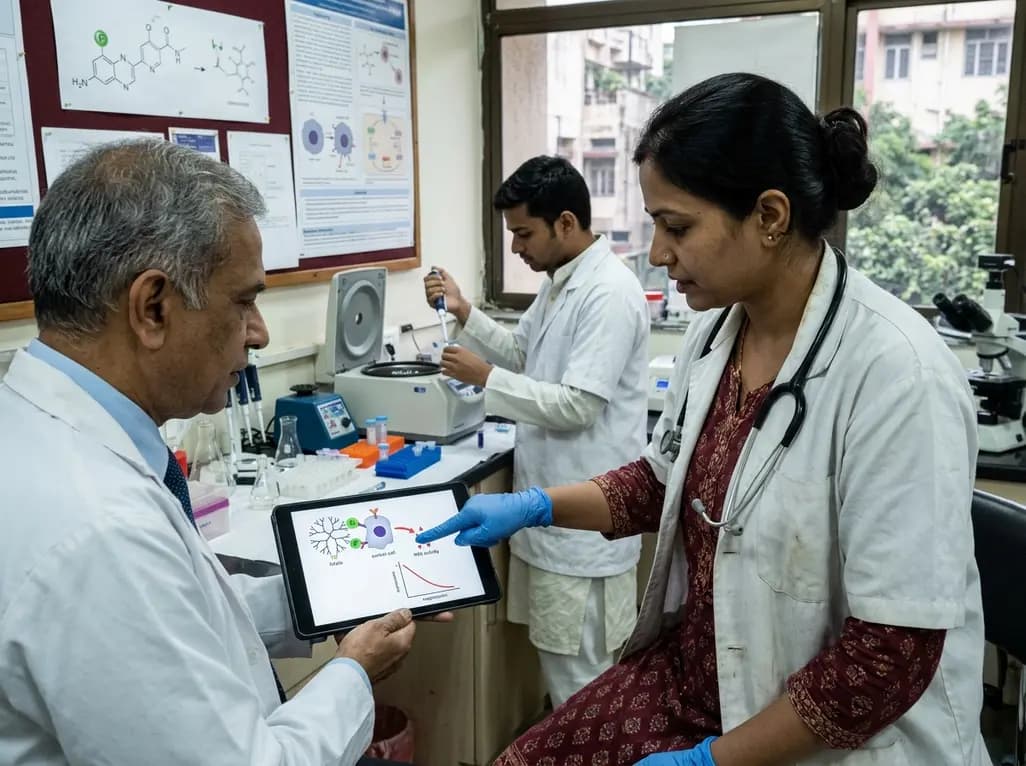
A novel folate-conjugated tecto-dendrimer nanoplatform successfully delivers siRNA to achieve targeted HK2 silencing, disrupting ovarian cancer glycolysis and suppressing lactate output.
Today

A comparative non-contact study reveals that high-power radiofrequency delivery with the QDOT MICRO catheter induces an artifactual contact force rise. Electrophysiologists must understand this power-dependent thermal and electrical phenomenon to avoid inadvertent catheter withdrawal and ineffective ablation.
Today

A novel proof-of-concept study presents a six-degree-of-freedom articulated manikin neck equipped with linear potentiometers. The system provides real-time kinematic motion feedback during cervical immobilisation, delivering sub-degree tracking accuracy to improve pre-hospital trauma training and patient safety.
Today
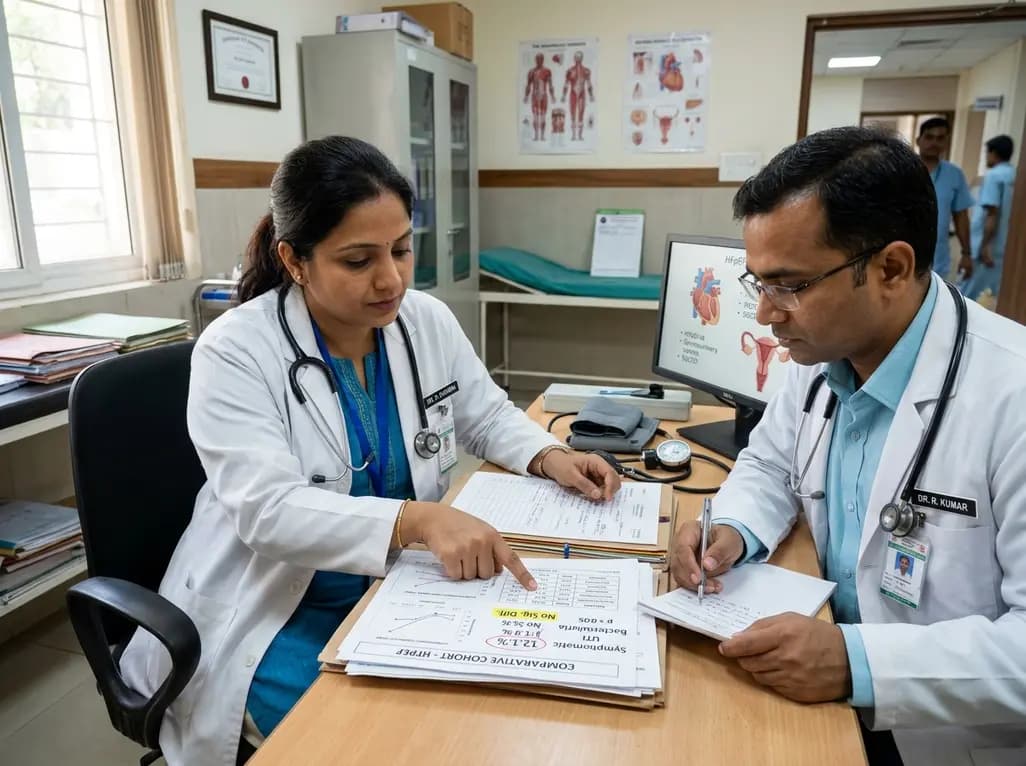
A retrospective comparative cohort study evaluated genitourinary safety in HFpEF between dapagliflozin and empagliflozin over six months. Rates of symptomatic UTI and asymptomatic bacteriuria showed no statistically significant differences, supporting comparable safety profiles across both SGLT2 inhibitors.
Today
