.webp&w=384&q=75)

Loading, please wait...
Loading, please wait...

Delhi Air Quality Risks reached a three-year high this February. According to recent data, the capital experienced 20 'poor' air quality days. Consequently, medical professionals must stay vigilant regarding respiratory presentations. The average AQI stood at 234, marking a significant decline from previous years. Furthermore, ozone emerged as the dominant pollutant on most days during this period.
Ozone acts as a secondary pollutant. It forms when nitrogen oxides react with sunlight. Therefore, high levels often coincide with sunny conditions. This pollutant poses unique challenges for public health. Specifically, it can cause immediate chest tightness and throat irritation. Moreover, prolonged exposure often leads to reduced lung function. Patients with pre-existing conditions like asthma are particularly vulnerable to these environmental changes.
Poor air quality triggers inflammatory responses in the airways. Specifically, ozone exposure can inflame the respiratory lining. This situation often leads to coughing and difficulty in breathing. Doctors should advise patients to limit outdoor activities during peak hours. Additionally, adhering to the WHO guideline of 100 micrograms per cubic metre is crucial. However, Delhi frequently exceeded these safety levels throughout February. Proper management of respiratory symptoms is now a priority for clinicians across the region.
Q1: Which pollutant was most dominant in Delhi during February 2026?
Ozone was the primary pollutant, emerging as the leader on 21 out of 27 days analyzed by experts.
Q2: What are the primary health symptoms associated with high ozone levels?
Exposure can cause chest tightness, throat irritation, coughing, and reduced lung function, especially in asthmatic patients.
Disclaimer: This content is for informational and educational purposes only. It does not constitute medical advice or replace professional judgment. Refer to the latest local and national guidelines for clinical practice.
References

Read summarized clinical updates, watch expert medical content, and earn CME certifications right from your smartphone.
Open your smartphone camera to scan and install.





Delhi records worst February air quality in three years with ozone as a key pollutant, posing risks for patients with asthma and respiratory conditions....
7 months ago

Following regulatory scrutiny from FSSAI regarding promotional representations and lean muscle preservation claims, Dr. Reddy's Laboratories and Nestlé Health Science are currently reviewing the branding and marketing strategy for their joint nutritional supplement Celevida GLP+.
Today
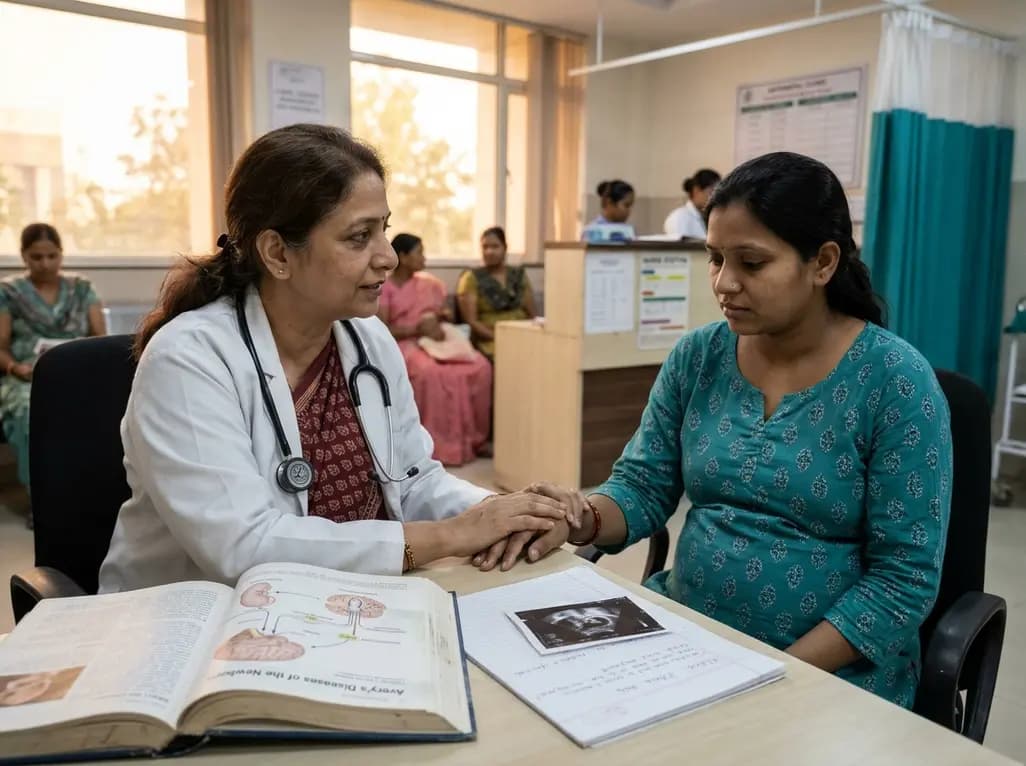
A comprehensive scoping review synthesises evidence linking prenatal maternal mental health to long-term offspring neurodevelopment, evaluating neuroendocrine, inflammatory, and epigenetic pathways while highlighting clinical screening and future research priorities.
Today

The Directorate General of Health Services directs Indian states to halt the hazardous reuse and reprocessing of single-use medical devices. Discover regulatory implications under the Drugs and Cosmetics Act, critical infection risks, legal liabilities, and operational changes required across clinical specialties.
Today

A 25-year multi-institutional cohort reveals high recurrence rates in pediatric giant cell tumor of bone, particularly in patients with open physes and bone marrow edema on preoperative MRI. Early surveillance and careful balance between growth plate preservation and tumor clearance are essential.
Today

India is advancing preventive healthcare by integrating genomics, artificial intelligence, and quantum technologies. With the SANGAM programme sequencing one million Indian genomes, clinicians can unlock personalized therapies, detect cardiometabolic risks early, and curb the burden of diabetes and heart disease.
Today
