.webp&w=384&q=75)

Loading, please wait...
Loading, please wait...

Researchers recently explored the dynamics of Cryptosporidium parvum shedding and bovine coronavirus (BCoV) in neonatal calves. This study is relevant for clinicians in India, where cattle serve as a major reservoir for zoonotic cryptosporidiosis. The research team divided 15 calves into three experimental groups to compare the clinical impact of single versus mixed infections.
Interestingly, the study found that double infection with C. parvum led to more severe clinical signs than mixed BCoV infections. Calves in the double C. parvum group experienced symptoms over a significantly longer period. This suggests that the parasitic load or repeated exposure to C. parvum may critically determine neonatal health. Furthermore, these findings emphasize the resilience of the parasite in early-life environments.
The researchers observed that the pattern of Cryptosporidium parvum shedding in feces remained consistent across all study groups. However, the timing of this shedding was crucial. The peak period of DNA excretion directly correlated with the days when the calves displayed the most severe clinical symptoms. In contrast, fecal BCoV RNA increased significantly only after the peak symptomatic period had passed. Consequently, clinicians and veterinarians should prioritize early detection to manage the most acute phase of the illness effectively.
Because C. parvum is a major cause of pediatric diarrhea, understanding its behavior in cattle is vital. In India, where dairy farming is widespread, infected calves can shed billions of oocysts into the environment. These oocysts are highly resistant to standard disinfectants like chlorine. Therefore, managing calf health and monitoring shedding patterns are essential steps in reducing the risk of transmission to human populations. Additionally, proper sanitation during calf handling can mitigate the risk of zoonotic outbreaks.
Calves are a primary reservoir for C. parvum. High shedding rates in cattle increase the risk of environmental contamination and subsequent zoonotic transmission to humans, often causing severe diarrhea in children.
In this specific study, double infection with C. parvum actually resulted in more severe clinical outcomes than a mixed infection with BCoV, suggesting the parasite itself is the primary driver of illness.
The peak shedding of C. parvum DNA typically correlates with the period of maximum clinical distress and diarrheal symptoms in the host, providing a clear window for diagnosis.
Disclaimer: This content is for informational and educational purposes only. It does not constitute professional medical advice, diagnosis, or treatment. Always seek the advice of your physician or other qualified health provider with any questions you may have regarding a medical condition. Refer to the latest local and national guidelines for clinical practice.
References
1. Varegg MS et al. Cryptosporidium parvum and bovine coronavirus in naturally and experimentally exposed calves: clinical outcome and pathogen shedding. Vet Res. 2026 Apr 03. doi: 10.1186/s13567-026-01725-x. PMID: 41933416.
2. Singh BB et al. Prevalence and molecular epidemiology of Cryptosporidium parvum in dairy calves in Punjab (India). Prev Vet Med. 2017.
3. Ryan U et al. Cryptosporidium in cattle: Assessing the zoonotic risk. Vet Parasitol. 2021.

Read summarized clinical updates, watch expert medical content, and earn CME certifications right from your smartphone.
Open your smartphone camera to scan and install.





New research highlights that Cryptosporidium parvum causes more severe clinical symptoms in neonatal calves than mixed infections with bovine coronavirus....
6 months ago

A landmark 12-year longitudinal study highlights significant reductions in opioid prescribing for nonspecific low back pain following clinical guidelines and prescription monitoring systems, emphasizing non-opioid multimodal pain care.
Today
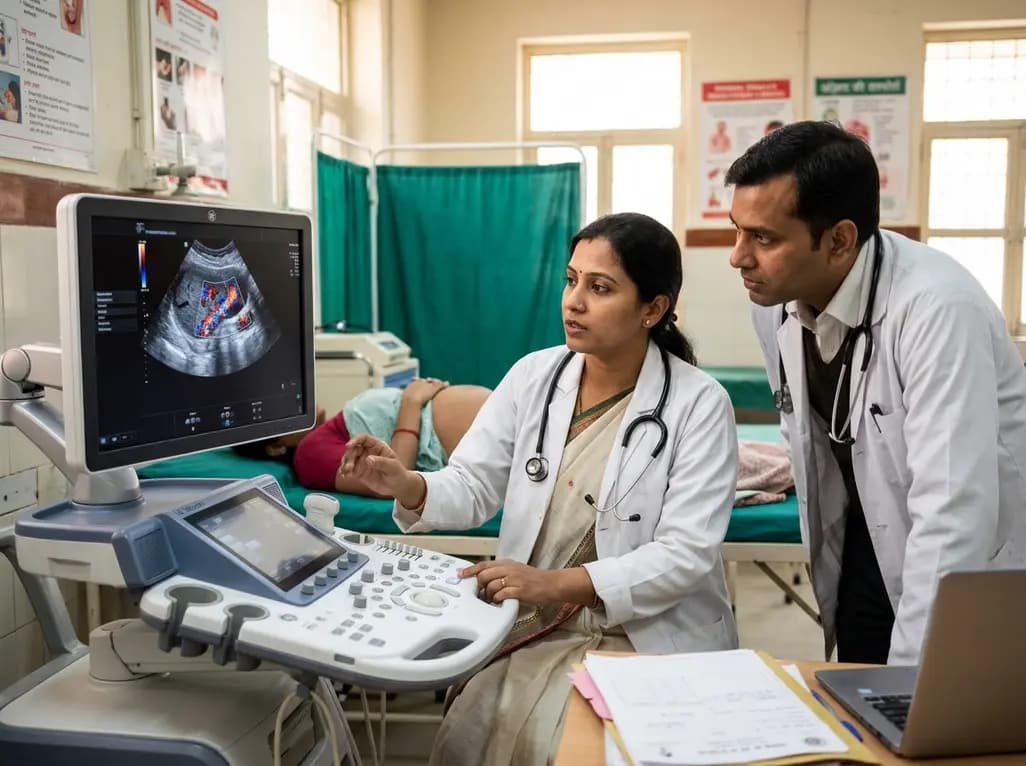
A study in Ultrasound in Obstetrics & Gynecology shows that quantitative vascularization of the anterior fornix/cervix with transvaginal ultrasound reliably identifies placenta accreta spectrum and predicts severe intraoperative hemorrhage, offering vital objective risk stratification.
Today
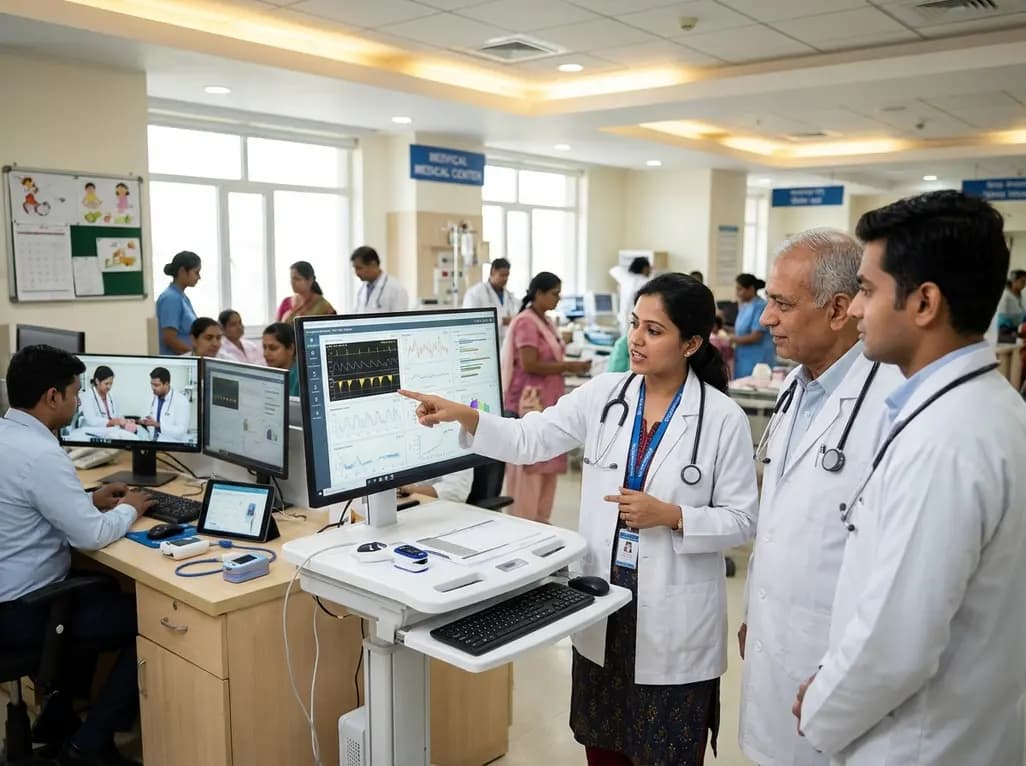
A landmark study details how an enterprise pediatric remote patient management model expanded from a single cardiology pilot to 16 diverse specialty programs by combining centralized digital operations with specialty clinical leadership.
Yesterday

A novel proof-of-concept study presents a six-degree-of-freedom articulated manikin neck equipped with linear potentiometers. The system provides real-time kinematic motion feedback during cervical immobilisation, delivering sub-degree tracking accuracy to improve pre-hospital trauma training and patient safety.
Today
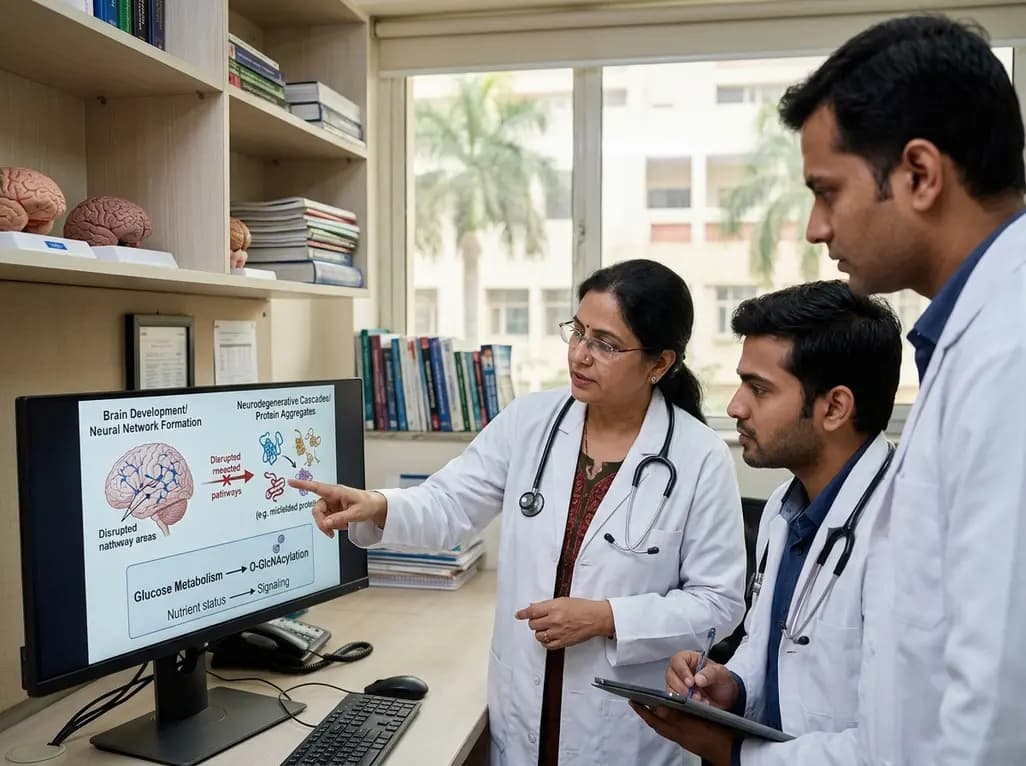
Protein O-GlcNAcylation couples cellular nutrient status to vital neuronal functions. This review explores how disrupted O-GlcNAc cycling drives both neurodevelopmental delays and neurodegenerative cascades, positioning metabolic post-translational modifications as therapeutic targets in clinical neurology.
Today
