.webp&w=384&q=75)

Loading, please wait...
Loading, please wait...

Researchers recently presented findings from the TOCEM trial, which evaluated contrast reactions in CEM over three years of annual screening. The prospective study monitored 1,651 women with a personal history of breast cancer who received a total of 3,873 injections of iopamidol. As contrast-enhanced mammography (CEM) becomes a more frequent supplemental screening tool, understanding its safety profile is essential for radiologists and oncologists alike.
The results showed that only 38 out of 3,873 injections resulted in a reaction, equating to a low overall rate of 0.98%. Specifically, allergic-like reactions were the most common, appearing in 0.65% of cases. Most of these (80%) were cutaneous, such as hives or rashes. Additionally, the study noted that patients receiving contrast for the first time had a significantly higher risk (1.96%) compared to those with prior uneventful exposure (0.42%).
Furthermore, the study identified five delayed allergic-like reactions. These symptoms appeared between one and seven days after the initial administration. Only two reactions were severe enough to prevent the completion of imaging. However, most reactions were mild, although 60% of those with allergic-like symptoms required medication for management. Consequently, CEM remains a safe supplemental screening tool for high-risk populations. Clinicians should still remain vigilant for delayed cutaneous symptoms even after the patient leaves the clinic.
Based on the TOCEM trial data, the overall incidence of contrast reactions is low, at approximately 0.98% across thousands of injections.
Yes. The study found that contrast-naïve patients had a significantly higher reaction rate (1.96%) compared to those with prior uneventful exposure (0.42%).
Delayed reactions are primarily cutaneous, such as hives or rashes, and can occur between one and seven days after the procedure.
Disclaimer: This content is for informational and educational purposes only and does not constitute medical advice or a professional relationship. Healthcare providers should perform their own independent assessment. Refer to the latest local and national guidelines for clinical practice.
References
Gu L et al. Prevalence of Acute and Delayed Contrast Reactions With Multiple Exposures to Contrast-Enhanced Mammography-Experience From the TOCEM Trial. J Breast Imaging. 2026 Feb 09. doi: undefined. PMID: 41661649.
Zanardo M, et al. Adverse events in contrast-enhanced mammography: a systematic review and meta-analysis. European Radiology. 2023;33(10):6741-6751.
American College of Radiology. ACR Manual on Contrast Media. 2023. URL: https://www.acr.org/Clinical-Resources/Contrast-Manual

Read summarized clinical updates, watch expert medical content, and earn CME certifications right from your smartphone.
Open your smartphone camera to scan and install.





A study of 3,873 injections reveals that contrast reactions in CEM are rare (0.98%), with most being mild allergic-like cutaneous events....
8 months ago

A recent study demonstrates that spinal oxygen sensors do not require mitochondrial electron transport to trigger sympathetic excitation during acute hypoxia, revealing new insights into how mitochondrial oxidative stress modulates autonomic tone in cardiovascular and neurological diseases.
Today
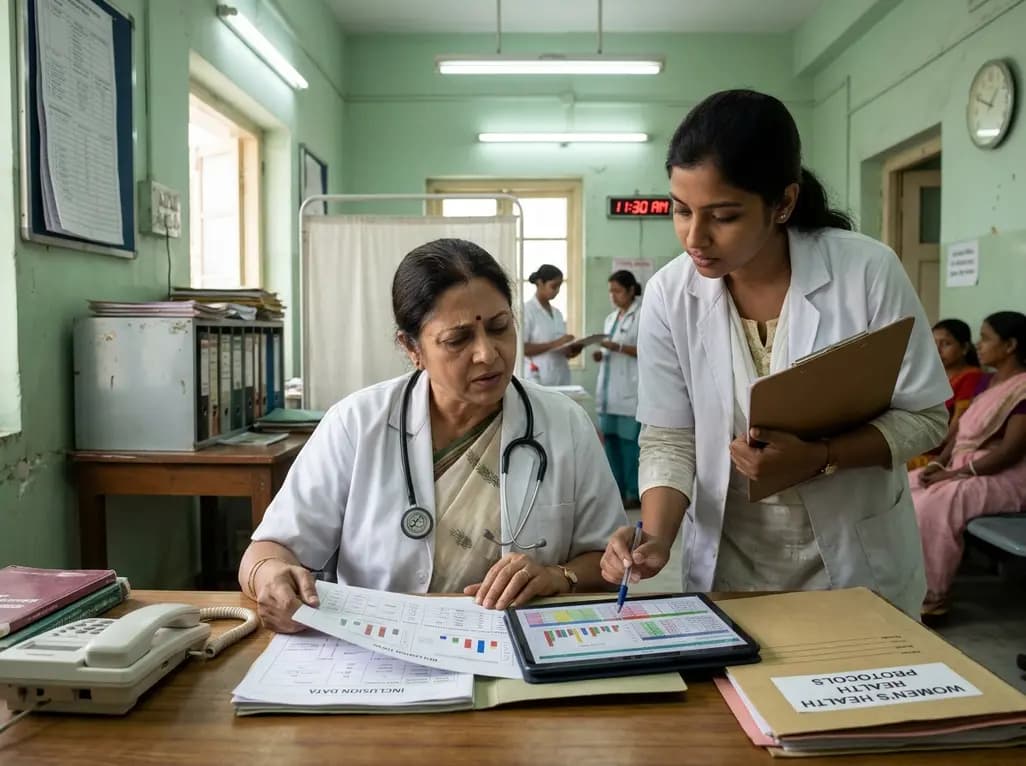
Demanding exhaustive hormonal profiling can inadvertently discourage clinical studies involving females. Methodological standards must align with the specific scientific question to expand, not restrict, equitable evidence for women.
Today

The Directorate General of Health Services directs Indian states to halt the hazardous reuse and reprocessing of single-use medical devices. Discover regulatory implications under the Drugs and Cosmetics Act, critical infection risks, legal liabilities, and operational changes required across clinical specialties.
Today
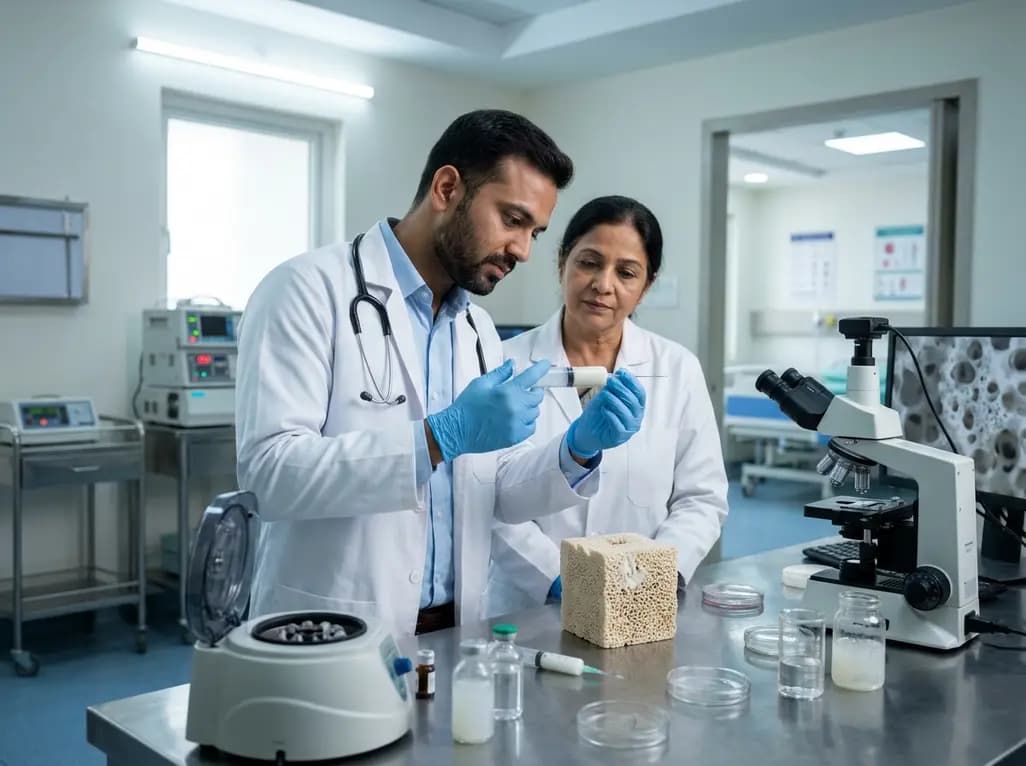
A novel calcium polyphosphate coacervate enables injectable bone implants with in situ hierarchical porosity via phase separation and gas foaming, significantly enhancing cell proliferation, energy metabolism, and osteogenic differentiation for minimally invasive bone defect repair.
Today
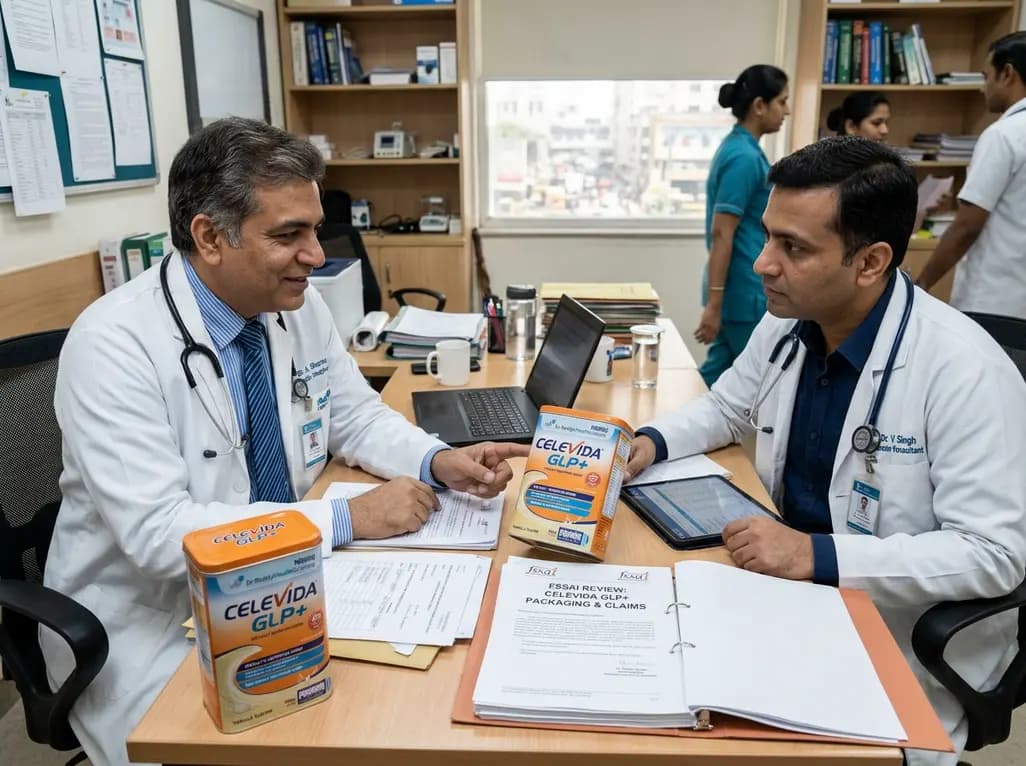
Following regulatory scrutiny from FSSAI regarding promotional representations and lean muscle preservation claims, Dr. Reddy's Laboratories and Nestlé Health Science are currently reviewing the branding and marketing strategy for their joint nutritional supplement Celevida GLP+.
Today
