.webp&w=384&q=75)

Loading, please wait...
Loading, please wait...

Managing complex menopause care requires a sophisticated clinical approach that extends beyond standard hormone replacement therapy. Patients today often face significant gaps in treatment, especially when menopause occurs alongside chronic conditions. Consequently, healthcare providers must address these inconsistencies to ensure equitable access to quality care. Notably, a recent rapid review explored how tertiary care settings can better deliver these services. By focusing on individualized needs, clinicians can bridge the knowledge gap that frequently hinders effective symptom management.
The latest evidence highlights the vital role of interdisciplinary care teams in managing complex menopause care effectively. These teams should ideally include gynecologists, endocrinologists, psychologists, and nonphysician practitioners. Furthermore, specific populations like those with premature ovarian insufficiency (POI), HIV, or breast cancer require highly tailored interventions. Because these patients often have psychosocial concerns, a holistic approach becomes indispensable. Therefore, tertiary clinics must integrate diverse specialists to provide comprehensive support that addresses both physical and emotional health.
In the Indian context, where cultural perceptions of menopause vary widely, standardized yet flexible guidelines are crucial. The Indian Menopause Society (IMS) emphasizes that the Indian patient may have different metabolic and cardiovascular risk profiles. Moreover, incorporating lifestyle modifications and culturally sensitive counseling can significantly improve patient adherence. Holistic care models ensure that every woman, regardless of her underlying health status, receives the specialized attention she deserves.
Complex menopause refers to cases where patients experience severe symptoms or have co-existing medical conditions. This includes individuals with premature ovarian insufficiency, survivors of hormone-sensitive cancers, or patients living with chronic infections like HIV.
Interdisciplinary care allows for a holistic assessment of the patient. By involving specialists like nutritionists and mental health professionals, the care team can address metabolic risks, bone health, and psychosocial stressors simultaneously.
Disclaimer: This content is for informational and educational purposes only. It does not constitute professional medical advice, diagnosis, or treatment. Always seek the advice of your physician or other qualified health provider with any questions you may have regarding a medical condition. Refer to the latest local and national guidelines for clinical practice.
References
Hira J et al. Mapping Menopause: a rapid review exploring complex menopause care. Menopause. 2026 May 12. doi: 10.1097/GME.0000000000002773. PMID: 42118554.
Indian Menopause Society (IMS). Clinical Practice Guidelines on Menopause: Executive Summary and Recommendations 2019–2020. J Midlife Health. 2020;11(2):55-95. doi: 10.4103/jmh.JMH_136_20.
"
Read summarized clinical updates, watch expert medical content, and earn CME certifications right from your smartphone.
Open your smartphone camera to scan and install.





A rapid review emphasizing interdisciplinary care models and specialized support in tertiary settings to address gaps in complex menopause management....
4 months ago

A landmark cluster randomized trial demonstrates that community-based mass dog vaccination achieves superior coverage and sustains protective herd immunity against rabies far better than conventional campaign models, offering vital lessons for global and Indian elimination targets.
Today
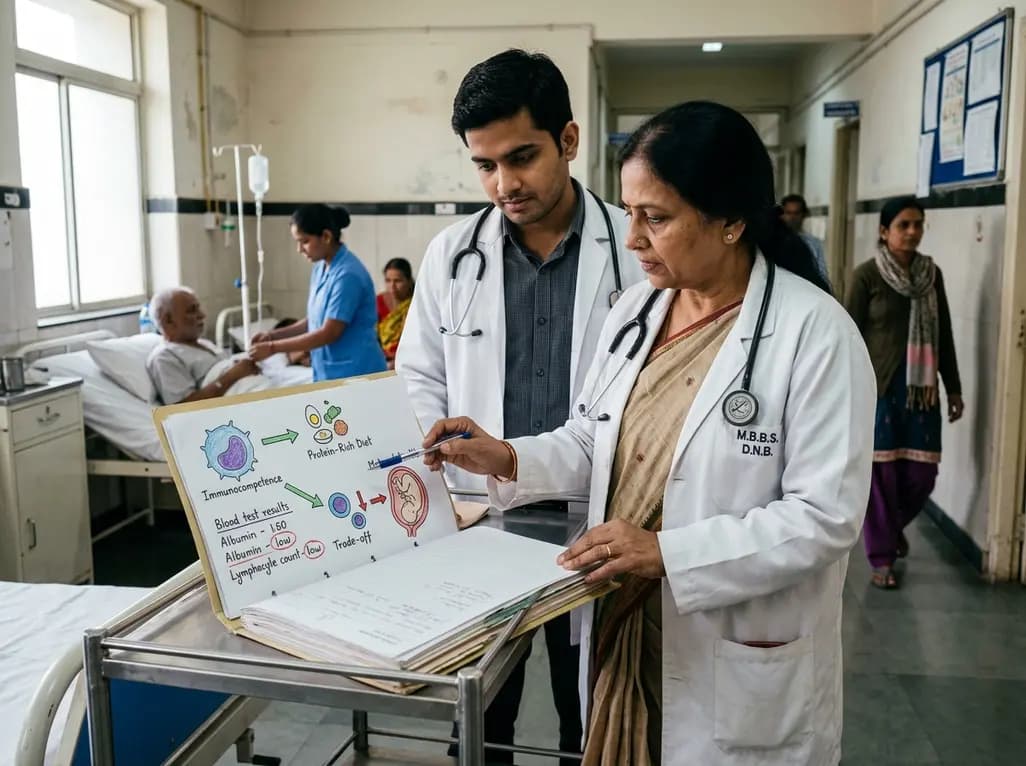
Explore the crucial link between dietary protein and immunocompetence. This review examines how low-protein nutrition shifts metabolic resources away from pathogen defense toward early reproduction, compromising host survival and immunity against severe bacterial infections.
Today
Differential oxygenation during peripheral TA-NRP can cause undetected coronary hypoxemia due to arch vessel clamping. A novel circuit with continuous aortic root monitoring detects desaturation early, facilitating left ventricular unloading and preventing allograft dysfunction and unnecessary heart discard.
Today
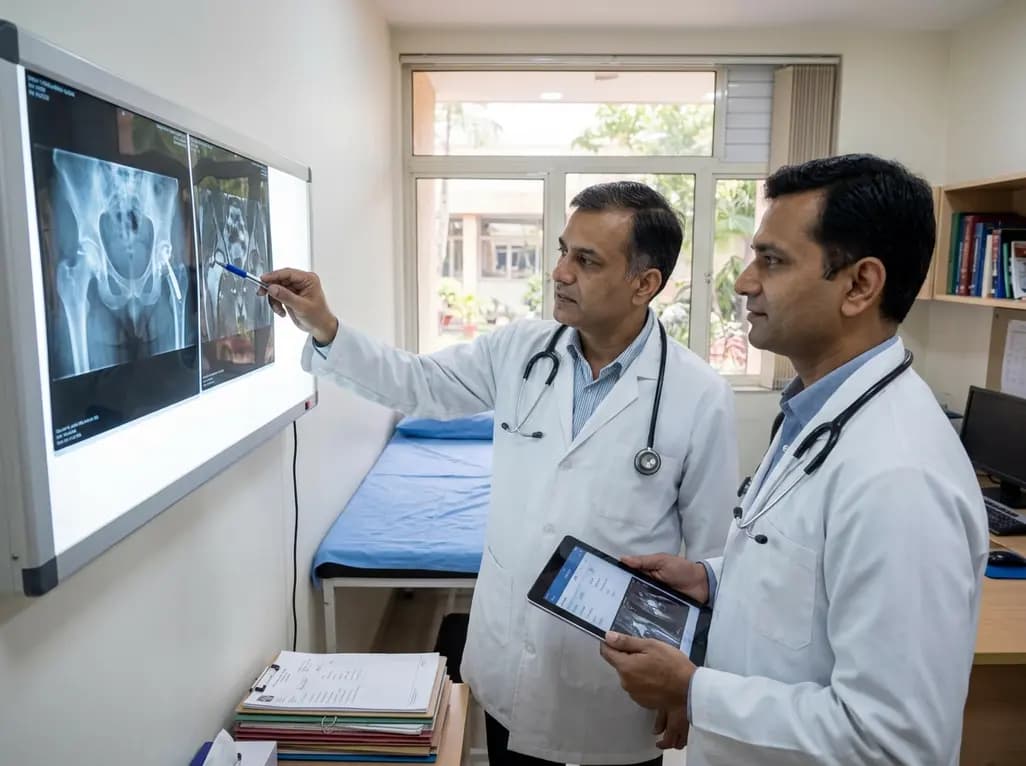
A longitudinal study reveals that patients undergoing staged bilateral hip arthroscopy experience progressive contralateral labral deterioration during surgical intervals. However, structural degradation does not compromise 2-year postoperative clinical outcomes or patient-reported satisfaction scores.
Today

A post hoc analysis of the PARM-T2D study shows pemafibrate exerts baseline-dependent effects on LDL-C and particle size in type 2 diabetes and hypertriglyceridemia. It lowers triglycerides and remnants while favorably remodeling atherogenic LDL particles based on initial lipid control status.
Today
