.webp&w=384&q=75)

Loading, please wait...
Loading, please wait...

Research into ciliated cell specification reveals that our last common eukaryotic ancestor likely used cilia for both movement and sensing. Modern vertebrates have evolved a clear division between these roles. Primary cilia, which are immotile, act as sensory hubs for neurons and other tissues. They transduce morphogenetic and physiological signals essential for development. By contrast, motile cilia are found in specific locations where their rhythmic beating facilitates fluid flow. Understanding these processes is vital for diagnosing and treating complex genetic conditions.
The process of ciliated cell specification relies on intricate transcriptional networks. Specifically, researchers have identified key regulators like the RFX family and FOXJ1 transcription factors. These proteins coordinate the expression of hundreds of genes required for ciliary biogenesis. Additionally, inductive signals like Notch and Wnt pathways play critical roles in determining cell fate. When these signaling pathways fail, cells may undergo misspecification. Consequently, this leads to significant developmental and physiological defects.
Disruptions in these specification pathways cause a group of disorders known as ciliopathies. These conditions often present as multisystem diseases, affecting the kidneys, eyes, and respiratory tract. For instance, Primary Ciliary Dyskinesia (PCD) results from defects in motile cilia, leading to chronic respiratory infections. Furthermore, researchers hope to utilize specification pathways to develop targeted therapies. By manipulating these transcriptional networks, clinicians might one day ameliorate disease phenotypes in affected patients. Therefore, staying updated on these molecular mechanisms is essential for specialized clinical practice.
Primary cilia are immotile and serve primarily as sensory organelles for signal transduction. Motile cilia are equipped with dynein arms that allow them to beat rhythmically, facilitating fluid movement or cellular locomotion.
Misspecification occurs when cells fail to activate the correct transcriptional programs. This can lead to a lack of cilia or the formation of dysfunctional cilia, causing multisystem disorders like Bardet-Biedl syndrome or polycystic kidney disease.
Ongoing research aims to target ciliogenic transcriptional networks to restore or bypass defective ciliary functions. These pathways offer potential avenues for regenerative medicine and gene therapy in treating various ciliopathies.
Disclaimer: This content is for informational and educational purposes only. It does not constitute professional medical advice, diagnosis, or treatment. Always seek the advice of your physician or other qualified health provider with any questions you may have regarding a medical condition. Refer to the latest local and national guidelines for clinical practice.
References
1. Lu H et al. Specification of Ciliated Cells. Annu Rev Cell Dev Biol. 2026 Apr 03. doi: 10.1146/annurev-cellbio-111524-094101. PMID: 41931828.
2. Lyu Q et al. Formation and function of multiciliated cells. J Cell Biol. 2024 Jan 1;223(1):e202307150. doi: 10.1083/jcb.202307150.
3. Reiter JF, Leroux MR. Genes and molecular pathways underpinning ciliopathies. Nat Rev Mol Cell Biol. 2017;18(9):533-547.

Read summarized clinical updates, watch expert medical content, and earn CME certifications right from your smartphone.
Open your smartphone camera to scan and install.





A review of ciliated cell specification, focusing on transcriptional networks, evolutionary origins, and clinical implications in human ciliopathies....
6 months ago

A prospective study using wireless sensors reveals that smaller physician workrooms significantly increase contact density and respiratory virus transmission risks despite lower average occupancy, underscoring the urgent need for better architectural design and infection control in healthcare duty rooms.
Today

A KGMU study reveals over half of women with breast abnormalities fail to undergo diagnostic confirmation, leading to advanced-stage detection. Discover the socio-cultural barriers, clinical risks of incomplete resection, and community-level solutions needed to bridge the critical screening-to-diagnosis gap in India.
Today
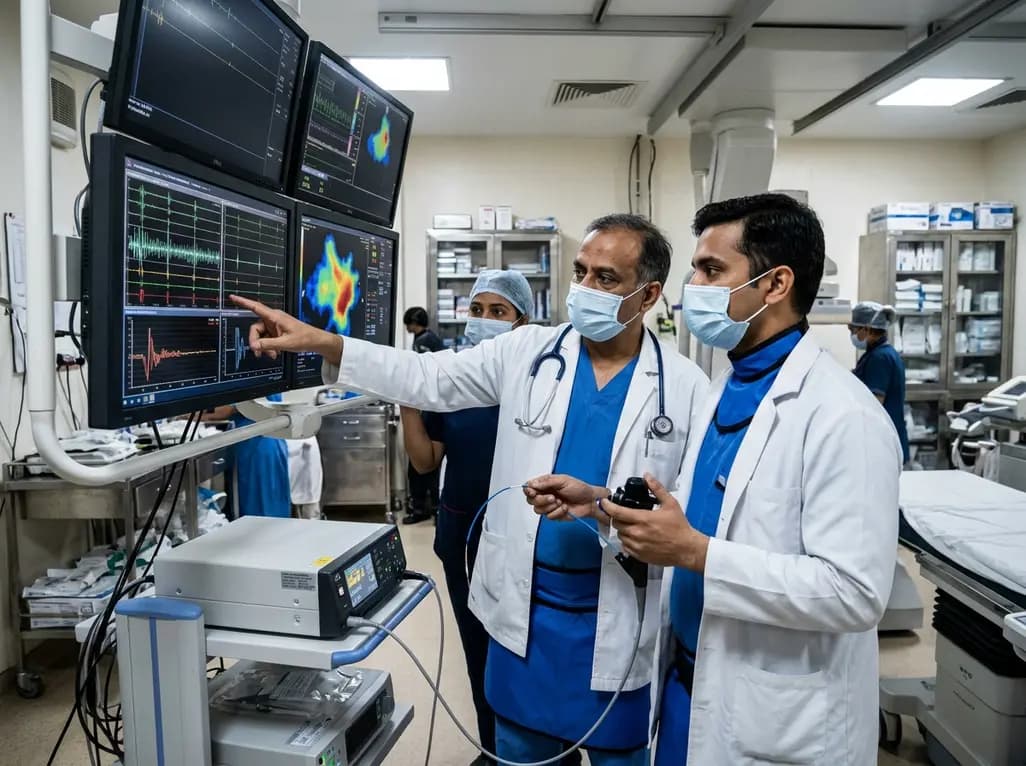
A comparative non-contact study reveals that high-power radiofrequency delivery with the QDOT MICRO catheter induces an artifactual contact force rise. Electrophysiologists must understand this power-dependent thermal and electrical phenomenon to avoid inadvertent catheter withdrawal and ineffective ablation.
Today
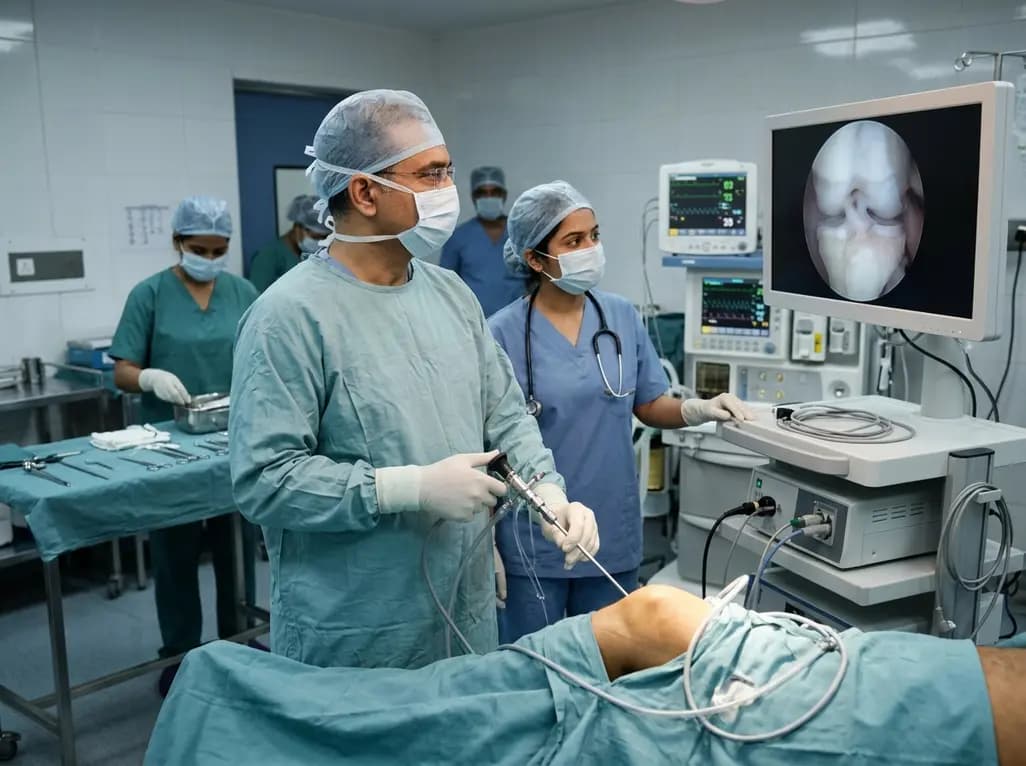
Healthium Medtech has transitioned its arthroscopy vertical into SIRONIX Orthopedics, aiming to capture key segments of the global joint care market. The strategic shift introduces dedicated portfolios in sports medicine, joint regeneration, surgical reconstruction, and digital operating technologies.
Today
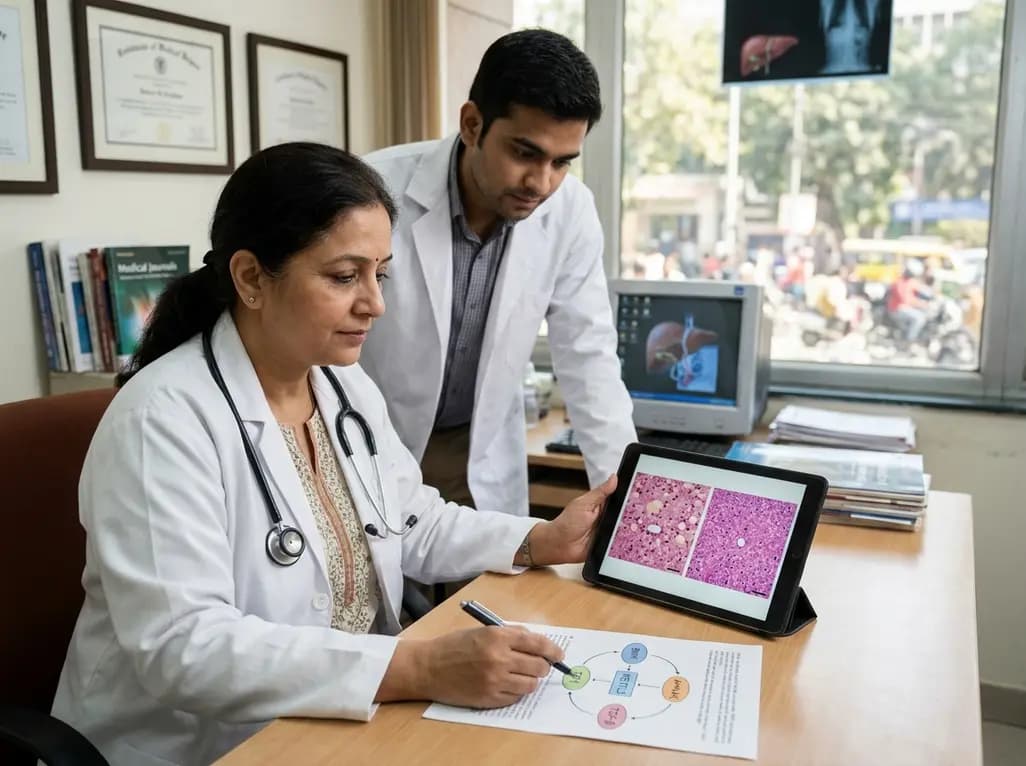
Preclinical research demonstrates that BMI1 overexpression alleviates metabolic syndrome-related liver injury. By triggering ubiquitin-mediated METTL3 degradation, BMI1 prevents AHNAK m6A methylation and suppresses fibrogenic TGF-β/SMAD signaling, significantly improving hepatic steatosis and insulin resistance.
Today
