.webp&w=384&q=75)

Loading, please wait...
Loading, please wait...

Understanding the cardiovascular response to exercise is essential for tailoring physical activity recommendations to individual needs. Recent research has highlighted significant physiological variations between men and women, particularly concerning how the heart manages stroke volume and blood pressure during intense physical exertion. These differences often stem from the muscle metaboreflex, a mechanism activated by metabolic byproducts during muscle contraction.
The study investigated the cardiovascular response to exercise using isometric handgrip and post-exercise circulatory occlusion (PECO). Researchers utilized advanced cardiac MRI technology to measure hemodynamic parameters in ten healthy males and ten healthy females. They monitored changes in stroke volume index (SVi), end-systolic volume, and total peripheral resistance during rest and active phases.
Interestingly, the findings revealed that both isometric exercise and PECO significantly lowered SVi in male participants. Conversely, females showed more stable stroke volume levels throughout the testing protocol. This suggests that the pressor response in males may be driven by different mechanisms than in females, potentially influenced by higher absolute workloads and muscle strength. Consequently, accounting for strength differences might negate some of the observed variations in stroke volume.
For healthcare providers in India, these findings emphasize the need for a sex-specific approach to cardiovascular assessments. Differences in how the heart handles systemic resistance and volume loads during exercise could impact the interpretation of stress tests. Therefore, clinicians should remain mindful of these physiological nuances when evaluating patients for exercise-induced hypertension or other cardiac conditions.
Research suggests that during isometric handgrip exercise, the stroke volume index can actually decrease in males while remaining relatively stable in females, likely due to differences in peripheral resistance and absolute workload.
Recognizing these differences allows for more accurate diagnostic testing and personalized exercise prescriptions, ensuring that cardiovascular stress is managed effectively for both male and female patients.
Disclaimer: This content is for informational and educational purposes only. It does not constitute medical advice or a professional relationship. Always consult a qualified healthcare provider for medical concerns. Refer to the latest local and national guidelines for clinical practice.
References
Boyes NG et al. Left ventricular systolic function during isometric handgrip exercise and post-exercise circulatory occlusion in healthy male and female adults. J Appl Physiol (1985). 2026 Apr 17. doi: 10.1152/japplphysiol.00036.2026. PMID: 41996171.
Samora M et al. Sex differences in the ventilatory and cardiovascular response to supine and tilted metaboreflex activation. Physiol Rep. 2019;7(20):e14256.
Shoemaker JK et al. WISE 2005: stroke volume changes contribute to the pressor response during isometric handgrip exercise in women. J Appl Physiol (1985). 2007;103(1):228-33.

Read summarized clinical updates, watch expert medical content, and earn CME certifications right from your smartphone.
Open your smartphone camera to scan and install.





Recent research reveals significant sex differences in how the heart manages stroke volume and blood pressure during isometric exercise and metaboreflex act...
6 months ago
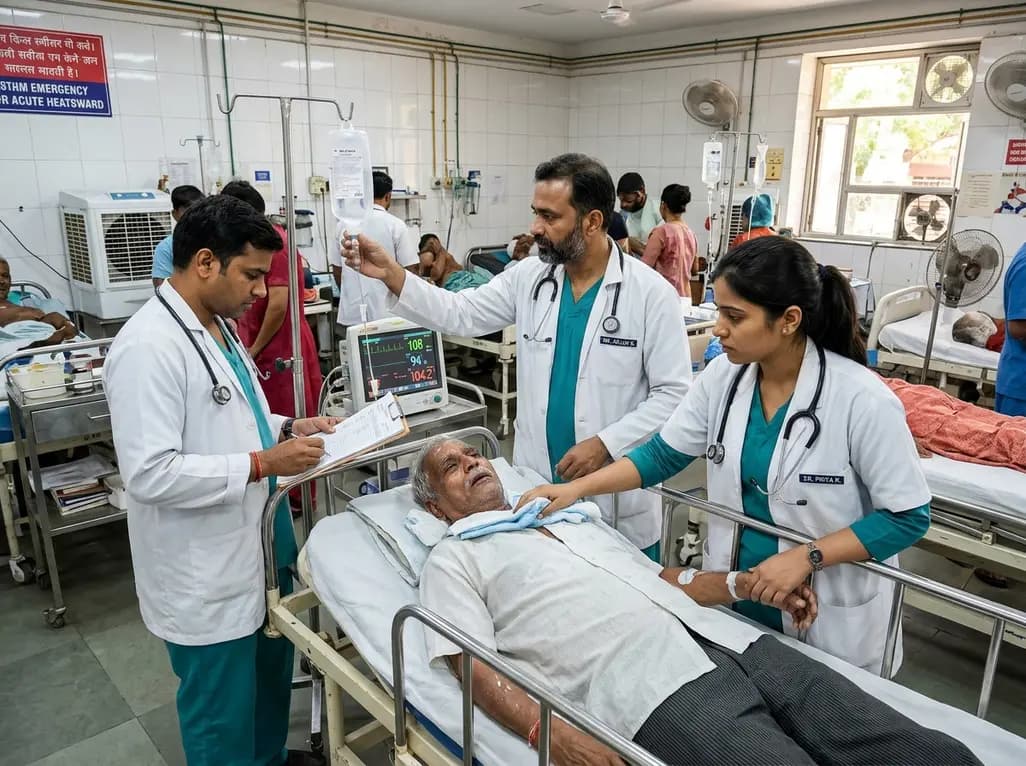
Recent epidemiological data reveals a dramatic surge in summer heat mortality driven by human-induced climate warming. This analysis explores the pathophysiological impacts on cardiac and renal systems, diagnostic dilemmas in death certification, and essential emergency cooling protocols for acute clinical care.
Today

Odisha has established India's first state-level clinical protocol specifically tailored for pregnant women with sickle cell disease. Developed with NHM and UNICEF, the framework provides structured antenatal screening, crisis mitigation, standardized referral pathways, and specialized interdisciplinary care.
Today

India is advancing preventive healthcare by integrating genomics, artificial intelligence, and quantum technologies. With the SANGAM programme sequencing one million Indian genomes, clinicians can unlock personalized therapies, detect cardiometabolic risks early, and curb the burden of diabetes and heart disease.
Today
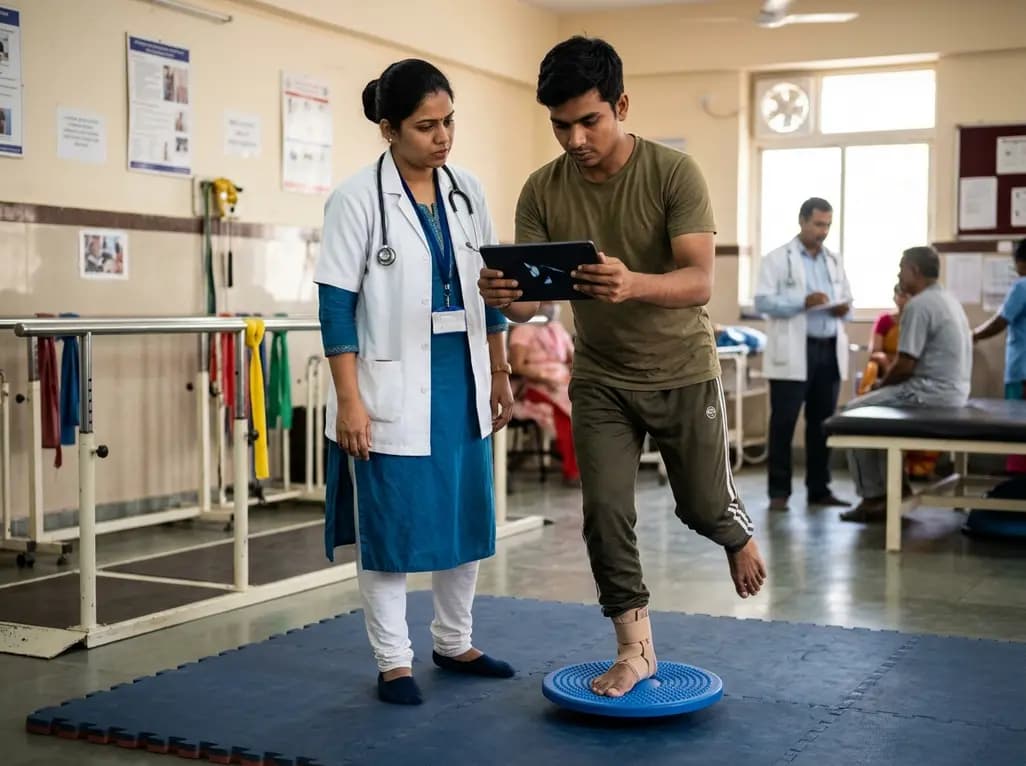
A randomized controlled trial demonstrates that an eight-week dual-task training intervention significantly improves static and dynamic postural control over standard balance exercises in individuals with chronic ankle instability, addressing critical neurocognitive deficits during athletic and daily activities.
Today

A retrospective cohort study of 7,716 ICU patients from the MIMIC-IV database demonstrates that Gradient Boosting Decision Trees significantly outperform traditional SOFA scores in predicting in-hospital mortality among patients with sepsis and diabetes, with SHAP analysis providing clinical interpretability.
Today
