.webp&w=384&q=75)

Loading, please wait...
Loading, please wait...

Recent research identifies a concerning longitudinal link between bullying and sexual coercion among adolescents in the United States. Specifically, the study highlights how victimization in school or social settings can trigger a cascade of negative outcomes. Researchers explored how early bullying experiences correlate with later sexual coercion, particularly through the lens of substance use. Moreover, the findings suggest that drug use serves as a primary mediator in this relationship. Consequently, adolescents who suffer from bullying often turn to drugs or engage in high-risk sexual behaviors under the influence. This behavior subsequently increases their vulnerability to sexual coercion by peers or partners.
Furthermore, the study investigated whether these pathways differ based on sexual orientation. In addition to heterosexual youth, the research focused significantly on LGB adolescents. Notably, the positive association between bullying and sexual coercion exists across both groups. For heterosexual youth, using drugs and engaging in sex while intoxicated were strongly linked to increased victimization. Similarly, LGB youth showed almost identical patterns of risk. Therefore, the results indicate that the psychological trauma of bullying creates universal risk factors, regardless of sexual identity. As a result, clinicians must prioritize screening for both bullying and substance use during routine adolescent health check-ups.
Finally, the research emphasizes the need for integrated intervention strategies. For instance, school-based programs should not only address bullying but also provide education on the risks of sexual violence and drug use. Additionally, pediatricians and mental health professionals play a vital role in identifying at-risk youth early. By understanding the link between bullying and sexual coercion, providers can offer more targeted support to victims. Consequently, early detection of substance use may prevent the transition from one form of victimization to another. Thus, a multi-disciplinary approach involving educators and medical professionals remains essential for adolescent safety.
Bullying often causes significant psychological distress, leading some adolescents to use drugs as a coping mechanism. Consequently, substance use can impair judgment and place youth in high-risk environments where sexual coercion is more likely to occur.
While the study found that the pathways from bullying to sexual coercion are similar for both heterosexual and LGB youth, LGB adolescents often experience higher rates of initial bullying. Therefore, their overall cumulative risk for subsequent victimization remains a serious clinical concern.
Disclaimer: This content is for informational and educational purposes only and does not constitute medical advice or a professional relationship. Always seek the advice of your physician or other qualified health provider with any questions you may have regarding a medical condition. Refer to the latest local and national guidelines for clinical practice.
References

Read summarized clinical updates, watch expert medical content, and earn CME certifications right from your smartphone.
Open your smartphone camera to scan and install.





A study identifies pathways from bullying to sexual coercion mediated by drug use among US adolescents, offering critical insights for pediatric care....
7 months ago
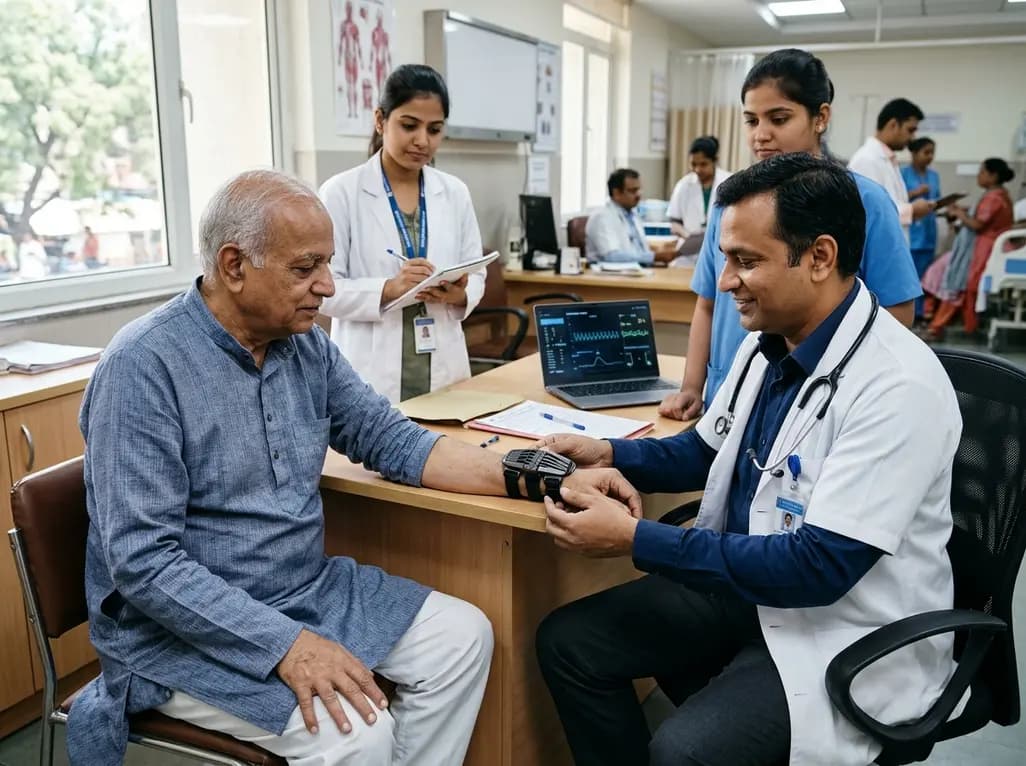
The TREM-AB open-label pilot study evaluated a wearable passive nonlinear vibration absorber for essential tremor. The Nonlinear Energy Sink bracelet reduced clinical Fahn-Tolosa-Marin tremor scores by 32.1% and electrophysiological tremor power by 49.2% with no adverse effects reported.
Today

A study in JAMIA Open shows lightweight open-source reasoning LLMs achieve up to 95% sensitivity and accelerate evidence synthesis screening by nearly twentyfold, presenting a cost-effective, scalable AI solution for biomedical research and systematic reviews.
Today
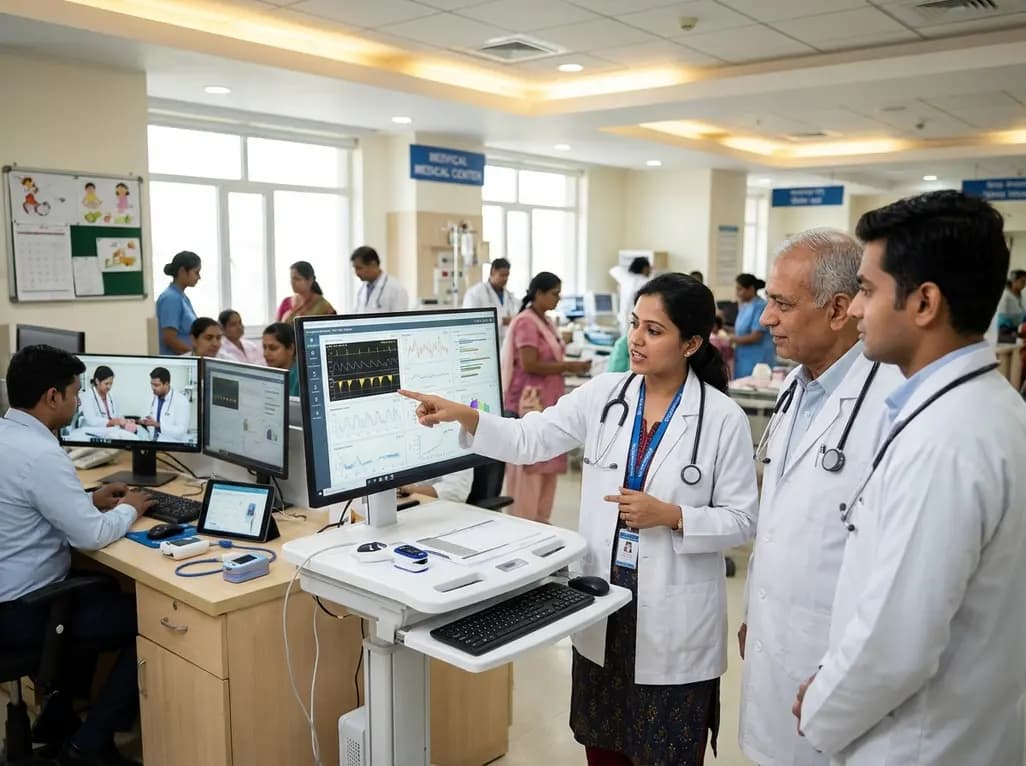
A landmark study details how an enterprise pediatric remote patient management model expanded from a single cardiology pilot to 16 diverse specialty programs by combining centralized digital operations with specialty clinical leadership.
Today

A comparative review of tension band wiring and intramedullary screw fixation in thumb metacarpophalangeal arthrodesis, evaluating union rates, hardware complications, and clinical outcomes.
Today
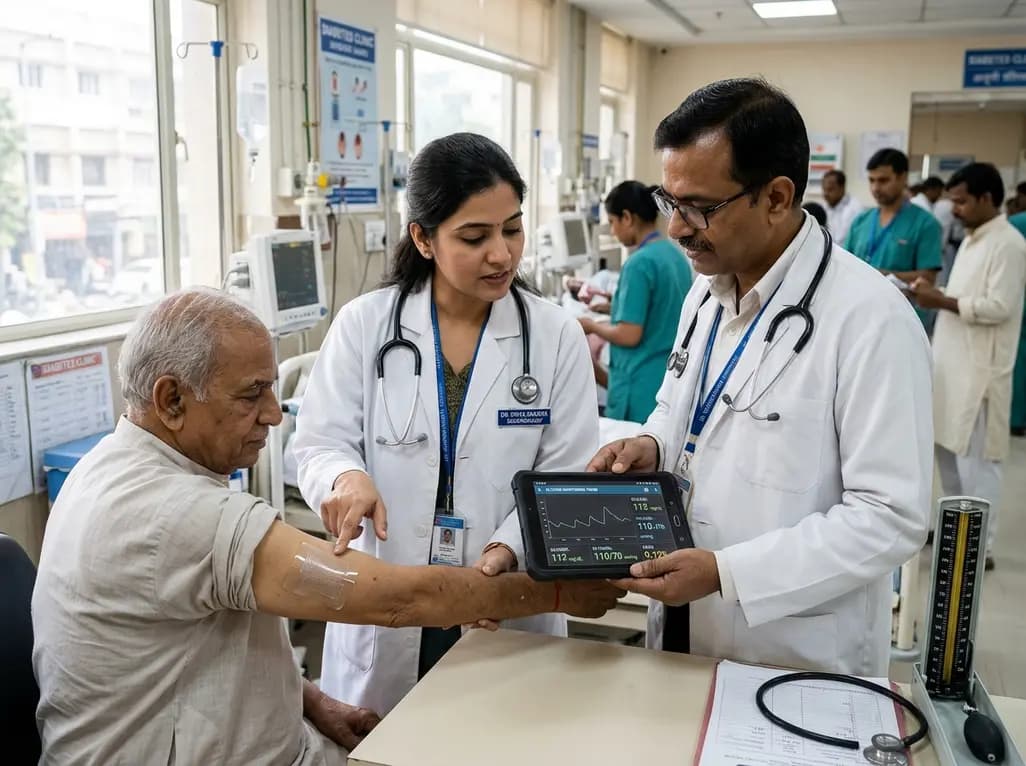
A breakthrough ultrathin multimodal sensor decouples physical hemodynamic monitoring from disposable electrochemical calibration, achieving long-term wearable glucose prediction with 81.36% accuracy and a 9.12% MARD. This offers a robust, drift-free solution for outpatient metabolic surveillance.
Today
