.webp&w=384&q=75)

Loading, please wait...
Loading, please wait...

The biomimetic tumor-on-a-chip represents a significant leap in replicating the human intestinal tumor microenvironment. Unlike standard 2D cultures, this platform reconstructs the intricate 3D architecture of crypts and villi. By incorporating a specialized fluidic mixer, the device ensures a dynamic flow that mimics physiological conditions. This design facilitates a realistic interplay between patient-derived tumor cells and their surrounding stroma. Consequently, doctors can observe how individual tumors behave under stress within a high-fidelity environment. Furthermore, this advancement addresses the critical need for more accurate preclinical models in gastroenterology and oncology.
Current oncology research emphasizes the need for high-throughput screening that matches clinical reality. This biomimetic tumor-on-a-chip enables real-time monitoring of drug responses in cells harvested directly from patients. One of the most critical findings from early evaluations involves the role of mitophagy in cancer cell survival. Specifically, the study suggests that mitophagy promotes chemoresistance by clearing damaged mitochondria during treatment. Understanding this mechanism allows clinicians to potentially target these pathways to enhance chemotherapy efficacy. Moreover, the platform offers a clear path toward truly personalized treatment strategies by testing multiple drug combinations simultaneously.
Pharmaceutical researchers often struggle with the limitations of animal models and static cultures. This new chip addresses these gaps by providing a model that captures the patient's unique tumor characteristics. In fact, the dynamic microenvironment helps researchers identify which drug combinations are most effective for specific genetic profiles. Notably, the integration of patient-derived primary epithelial and tumor cells ensures that the 3D model maintains histopathological relevance. This approach could significantly reduce the time required for preclinical drug validation while improving patient outcomes through tailored therapy. Additionally, the high-throughput nature of the chip makes it an ideal tool for large-scale drug discovery programs.
Traditional models often use 2D monolayers that fail to capture 3D cell-to-cell interactions. This platform incorporates 3D crypt and villus-like structures and dynamic fluid flow to better simulate the actual tumor microenvironment found in the human body.
Mitophagy is a selective cellular process that removes damaged or dysfunctional mitochondria. Research on this chip indicates that intestinal tumor cells may use mitophagy as a survival mechanism to resist the oxidative stress caused by chemotherapy, leading to treatment failure.
Yes, by using primary cells from individual patients, the platform allows for patient-specific drug response monitoring. This helps clinicians choose the most effective chemotherapy regimen based on the unique biological response of that patient's tumor.
Disclaimer: This content is for informational and educational purposes only. It does not constitute medical advice, diagnosis, or treatment. Always seek the advice of a qualified healthcare provider with any questions regarding a medical condition. Refer to the latest local and national guidelines for clinical practice.
References
Lu J et al. Biomimetic Human Intestinal Tumor-on-a-Chip with Crypts and Villus-Like Structures for Chemotherapy Drug Evaluations. Small. 2026 Apr 15. doi: 10.1002/smll.202514836. PMID: 41983346.
Perera RM et al. Colorectal cancer cells utilize autophagy to maintain mitochondrial metabolism for cell proliferation under nutrient stress. JCI Insight. 2021;6(12):e146244.
Hua J et al. Application and development of Organ-on-a-Chip technology in cancer therapy. Frontiers in Bioengineering and Biotechnology. 2025;13:145678.

Read summarized clinical updates, watch expert medical content, and earn CME certifications right from your smartphone.
Open your smartphone camera to scan and install.





New biomimetic intestinal tumor-on-a-chip models 3D structures and mitophagy to enhance chemotherapy screening and precision medicine for oncology....
6 months ago
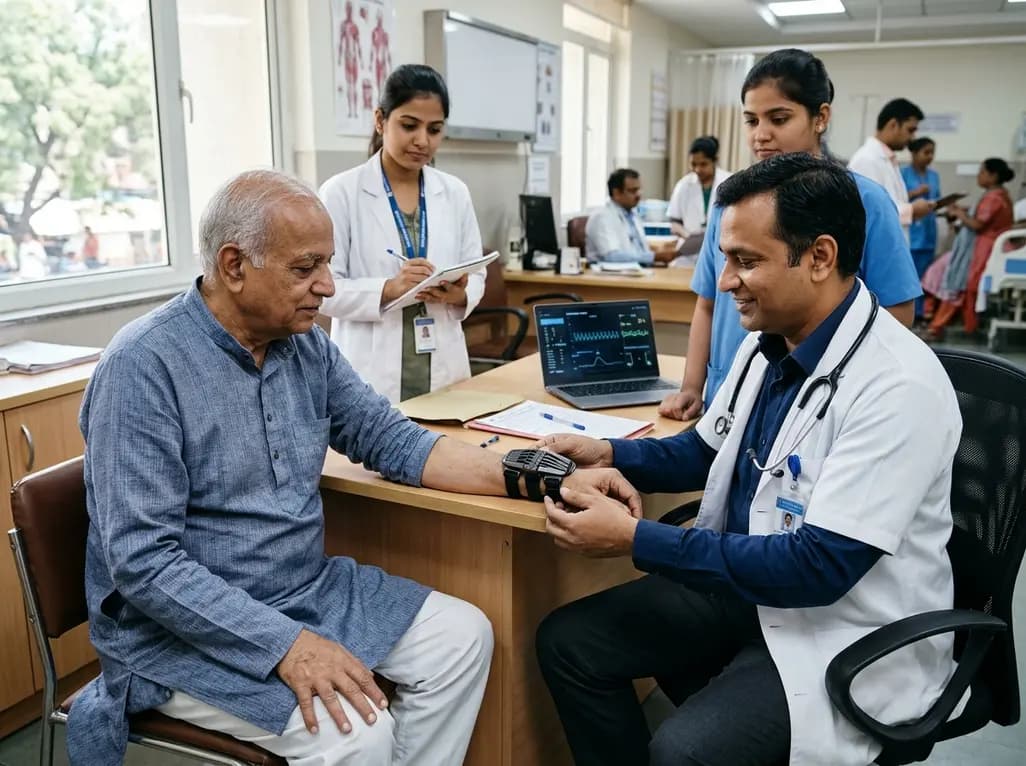
The TREM-AB open-label pilot study evaluated a wearable passive nonlinear vibration absorber for essential tremor. The Nonlinear Energy Sink bracelet reduced clinical Fahn-Tolosa-Marin tremor scores by 32.1% and electrophysiological tremor power by 49.2% with no adverse effects reported.
Today

A population-based study of 20,928 children reveals that small vulnerable newborns face sex-divergent mental capital outcomes at ages 6-7: term SGA girls show higher behavioral difficulties and lower resilience, while preterm non-SGA boys experience increased behavioral problems.
Today
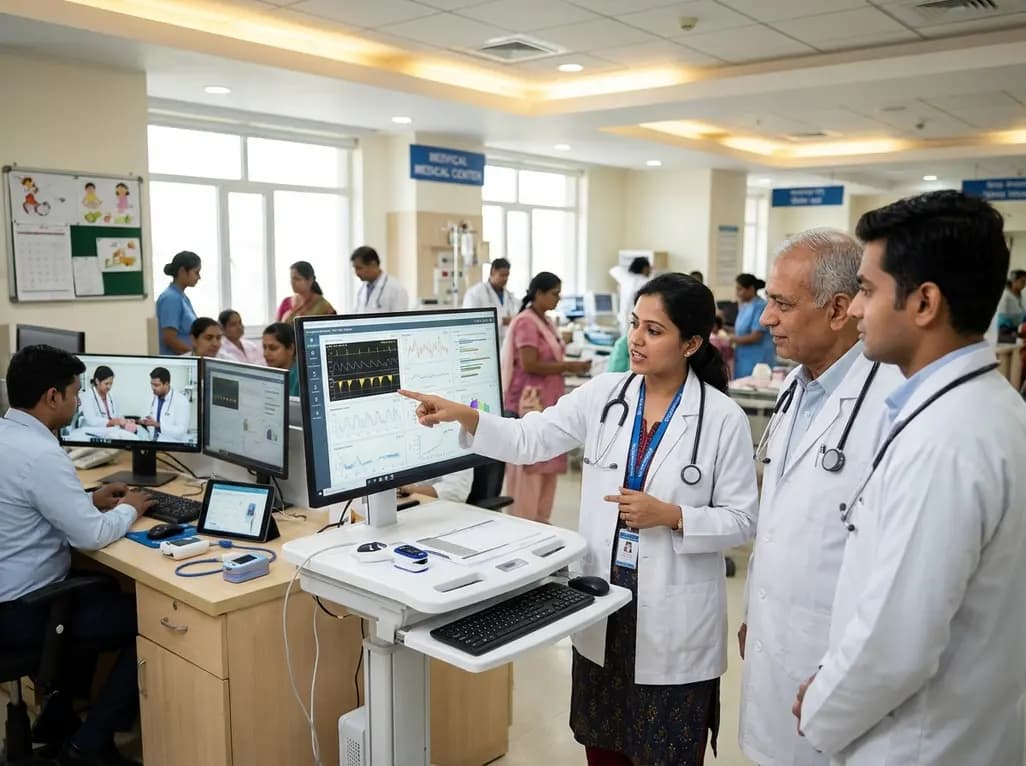
A landmark study details how an enterprise pediatric remote patient management model expanded from a single cardiology pilot to 16 diverse specialty programs by combining centralized digital operations with specialty clinical leadership.
Today
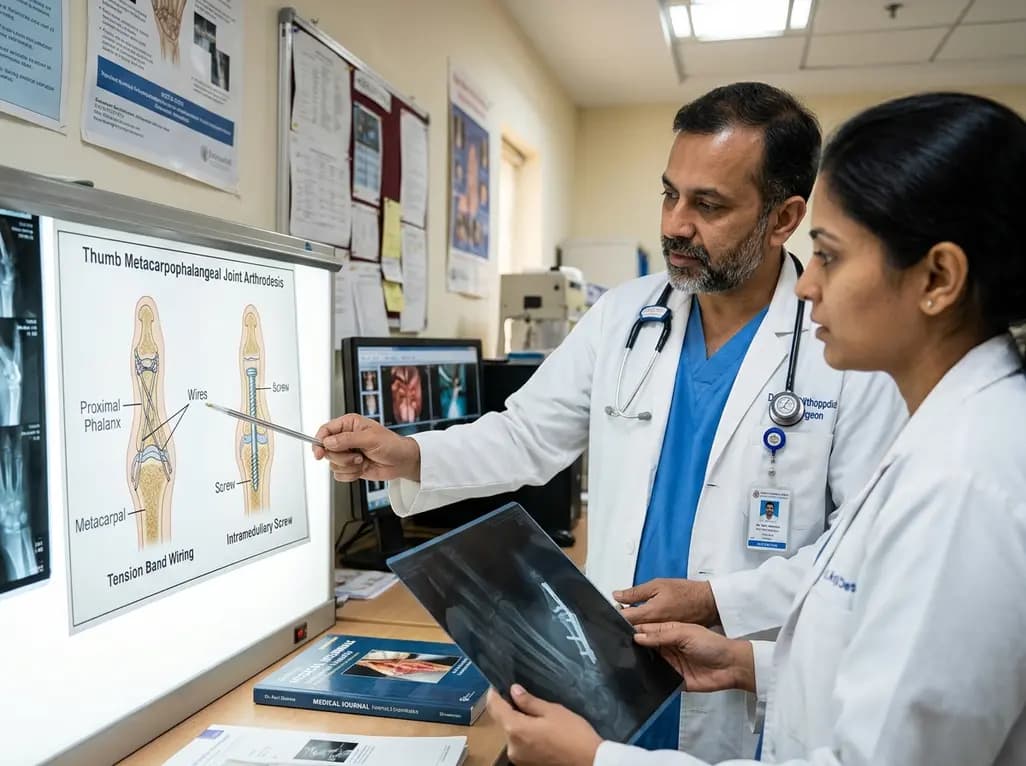
A comparative review of tension band wiring and intramedullary screw fixation in thumb metacarpophalangeal arthrodesis, evaluating union rates, hardware complications, and clinical outcomes.
Today
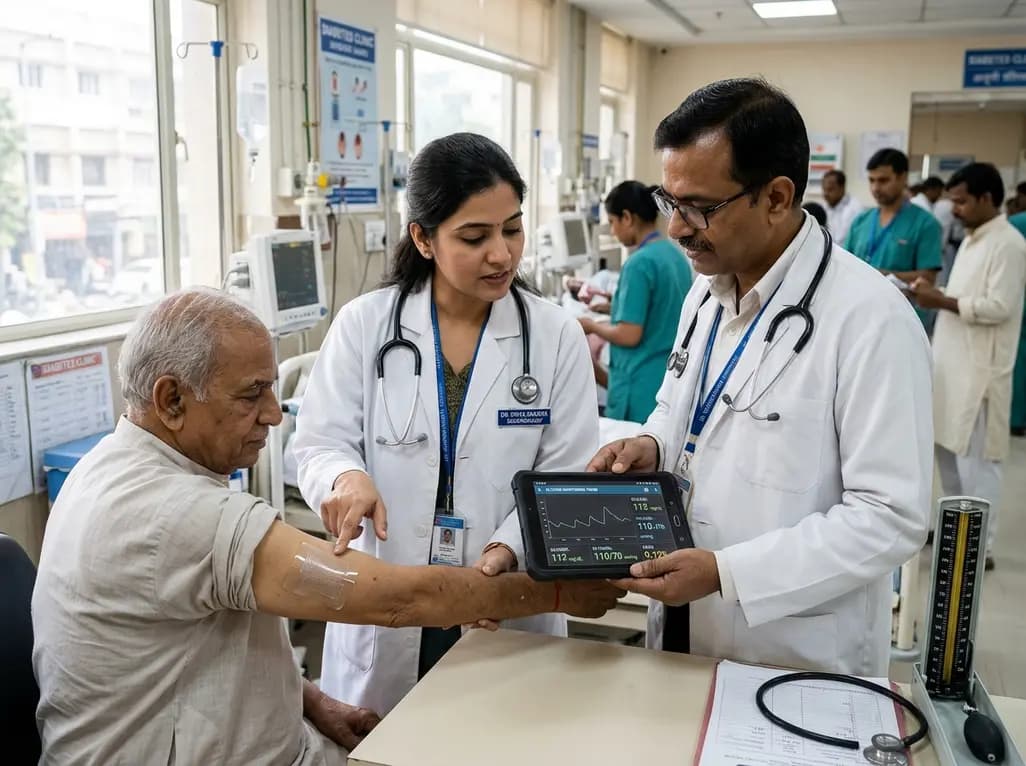
A breakthrough ultrathin multimodal sensor decouples physical hemodynamic monitoring from disposable electrochemical calibration, achieving long-term wearable glucose prediction with 81.36% accuracy and a 9.12% MARD. This offers a robust, drift-free solution for outpatient metabolic surveillance.
Today
