.webp&w=384&q=75)

Loading, please wait...
Loading, please wait...

The Tamil Nadu State Council for Science and Technology (TNSCST) recently joined forces with the Indian Council of Medical Research (ICMR). They signed a Memorandum of Understanding (MoU) to advance biomedical research patents and academic innovation. S Vincent, member-secretary of TNSCST, and Rajiv Bahl, director-general of ICMR, finalized the agreement in New Delhi. This partnership focuses on protecting intellectual property within the medical sector. Furthermore, it aims to bridge the gap between academic research and industrial application.
The collaboration highlights a significant shift toward structured intellectual property management in India. Consequently, researchers will find it easier to navigate the complexities of legal protection. Because the MoU emphasizes seamless technology transfer, it ensures that local inventions reach the public health market effectively.
To support biomedical research patents, the Union government introduced the Medical Innovations Patent Mitra. This specific initiative helps protect cutting-edge inventions originating from Indian academic institutions. This program offers end-to-end support for inventors at no cost. Therefore, researchers can focus on innovation without worrying about the financial burden of legal fees. Additionally, the initiative covers patent prosecution and commercialization efforts.
This ecosystem connects inventors with potential investors to drive the commercialization of medical technologies. As a result, high-quality research transforms into tangible products for the healthcare industry. The expert-driven framework allows businesses and academics to apply these innovations to solve real-world public health challenges.
Beyond legal support, the MoU facilitates a culture of learning and dissemination. TNSCST and ICMR will organize workshops, conferences, and training programs. These events will encourage knowledge exchange among scientists and healthcare professionals. Moreover, participants will learn the best practices for filing biomedical research patents. This educational component ensures that the research community remains informed about the latest trends in medical technology and patent laws.
Q1: What is the main goal of the TNSCST and ICMR partnership?
The partnership aims to strengthen academic and industrial biomedical research by protecting intellectual property and facilitating technology transfer to the market.
Q2: How does the Medical Innovations Patent Mitra assist individual researchers?
It provides end-to-end, zero-cost patent filing and prosecution services, while also connecting inventors with investors for commercialization.
Q3: Which institutions can benefit from this MoU?
Academic institutions, businesses, and independent researchers involved in cutting-edge biomedical innovation can benefit from this collaborative ecosystem.
Disclaimer: This content is for informational and educational purposes only. It does not constitute medical advice or replace professional judgment. Refer to the latest local and national guidelines for clinical practice.
References

Read summarized clinical updates, watch expert medical content, and earn CME certifications right from your smartphone.
Open your smartphone camera to scan and install.





TNSCST and ICMR have signed an MoU to support biomedical research patents through zero-cost filing, technology transfer, and commercialization support....
7 months ago

Following regulatory scrutiny from FSSAI regarding promotional representations and lean muscle preservation claims, Dr. Reddy's Laboratories and Nestlé Health Science are currently reviewing the branding and marketing strategy for their joint nutritional supplement Celevida GLP+.
Today
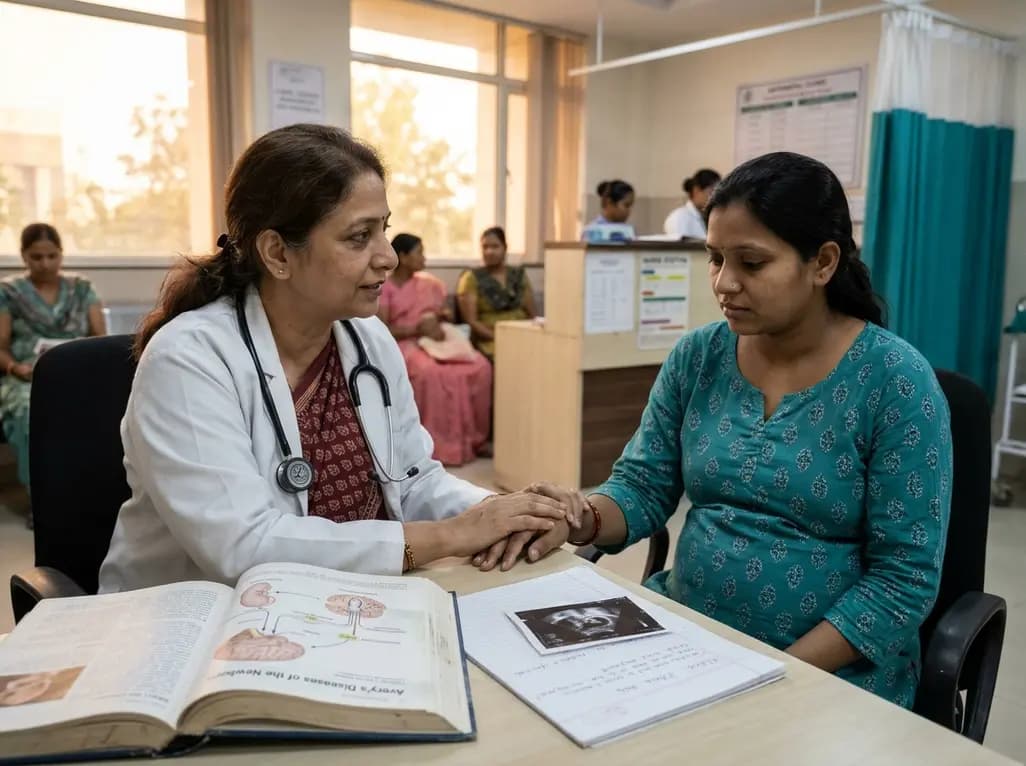
A comprehensive scoping review synthesises evidence linking prenatal maternal mental health to long-term offspring neurodevelopment, evaluating neuroendocrine, inflammatory, and epigenetic pathways while highlighting clinical screening and future research priorities.
Today

The Directorate General of Health Services directs Indian states to halt the hazardous reuse and reprocessing of single-use medical devices. Discover regulatory implications under the Drugs and Cosmetics Act, critical infection risks, legal liabilities, and operational changes required across clinical specialties.
Today

A 25-year multi-institutional cohort reveals high recurrence rates in pediatric giant cell tumor of bone, particularly in patients with open physes and bone marrow edema on preoperative MRI. Early surveillance and careful balance between growth plate preservation and tumor clearance are essential.
Today

India is advancing preventive healthcare by integrating genomics, artificial intelligence, and quantum technologies. With the SANGAM programme sequencing one million Indian genomes, clinicians can unlock personalized therapies, detect cardiometabolic risks early, and curb the burden of diabetes and heart disease.
Today
