.webp&w=384&q=75)

Loading, please wait...
Loading, please wait...

Benign biliary and pancreatic diseases, such as postoperative strictures and bile leaks, present significant challenges in clinical practice. Traditionally, patients require temporary ductal decompression with plastic or metal stents. However, these devices often necessitate repeat interventions for removal or management of migrations and occlusions. Consequently, biodegradable biliary stents have emerged as a promising alternative, offering temporary structural support while undergoing spontaneous degradation. This innovative approach eliminates the need for retrieval procedures, potentially reducing the burden on both patients and healthcare systems.
A recent systematic review analyzing 467 patients across fifteen studies highlights the impressive performance of these devices. Technical success was nearly universal at 99.4%, demonstrating the feasibility of placement via both ERCP and percutaneous transhepatic cholangiography (PTC). Furthermore, clinical success reached 73.3%, particularly in cases of benign biliary strictures and post-cholecystectomy bile leaks. Most devices utilized polydioxanone-based materials, which provide reliable radial support during the initial healing phase before hydrolytic degradation occurs. Similarly, these stents offer a larger diameter than standard plastic options, which may improve drainage outcomes.
While the safety profile is generally favorable, clinicians must remain vigilant regarding potential adverse events. The review identified 108 complications, with cholangitis being the most frequent occurrence. Other reported issues included stricture recurrence, haemobilia, and fever. Interestingly, migration and pancreatitis occurred less frequently compared to traditional stenting methods. Although the mean reintervention rate was 35.5%, this figure often reflects planned clinical management rather than device failure. Consequently, the use of biodegradable biliary stents appears safe and effective for selected conditions when managed by experienced multidisciplinary teams.
The transition toward bioresorbable technology represents a significant shift in managing benign ductal diseases. Despite the positive findings, the authors emphasize the need for further prospective randomized trials. Such research will help establish optimal indications and refine the long-term outcomes of these devices. Moreover, understanding the exact degradation timelines in different physiological environments will allow for better planning of follow-up care. Therefore, while current data is encouraging, long-term monitoring remains essential to confirm these benefits across diverse patient populations.
The main advantage is the elimination of a second procedure for stent removal. Since the material degrades naturally, patients avoid the risks and costs associated with retrieval endoscopies or surgeries.
Most biodegradable stents are made from polydioxanone, a biocompatible polymer. It provides structural support for several weeks before breaking down through hydrolysis into non-toxic metabolites.
Common complications include cholangitis and potential stricture recurrence. However, migration and pancreatitis rates are typically lower than those seen with traditional plastic or metal stents.
Disclaimer: This content is for informational and educational purposes only and does not constitute medical advice or a professional relationship. Always seek the advice of a qualified healthcare provider regarding any medical condition. Refer to the latest local and national guidelines for clinical practice.
References
1. Peristeri DV et al. Biodegradable Stents in Benign Biliary and Pancreatic Disease: A Systematic Review. Surg Innov. 2026 Feb 08. doi: 10.1177/15533506261424134. PMID: 41655080.
2. Barbiero G, et al. Biodegradable Biliary Stents for Percutaneous Treatment of Post-liver Transplantation Refractory Benign Biliary Anastomotic Strictures. Cardiovasc Intervent Radiol. 2020;43(5):747-754.
3. Siiki A, et al. A systematic review of biodegradable biliary stents: promising biocompatibility without stent removal. Eur J Gastroenterol Hepatol. 2018;30(8):813-818.

Read summarized clinical updates, watch expert medical content, and earn CME certifications right from your smartphone.
Open your smartphone camera to scan and install.





A systematic review reveals that biodegradable stents are a safe, effective alternative for benign biliary diseases, with high technical success and no remo...
8 months ago

Co-administering antiseizure medications and DOACs frequently causes pharmacokinetic interactions, subtherapeutic drug levels, and thromboembolic failures. This review highlights enzyme induction risks, unpredictable outcomes with levetiracetam, and the vital role of therapeutic drug monitoring.
Today

Demanding exhaustive hormonal profiling can inadvertently discourage clinical studies involving females. Methodological standards must align with the specific scientific question to expand, not restrict, equitable evidence for women.
Today
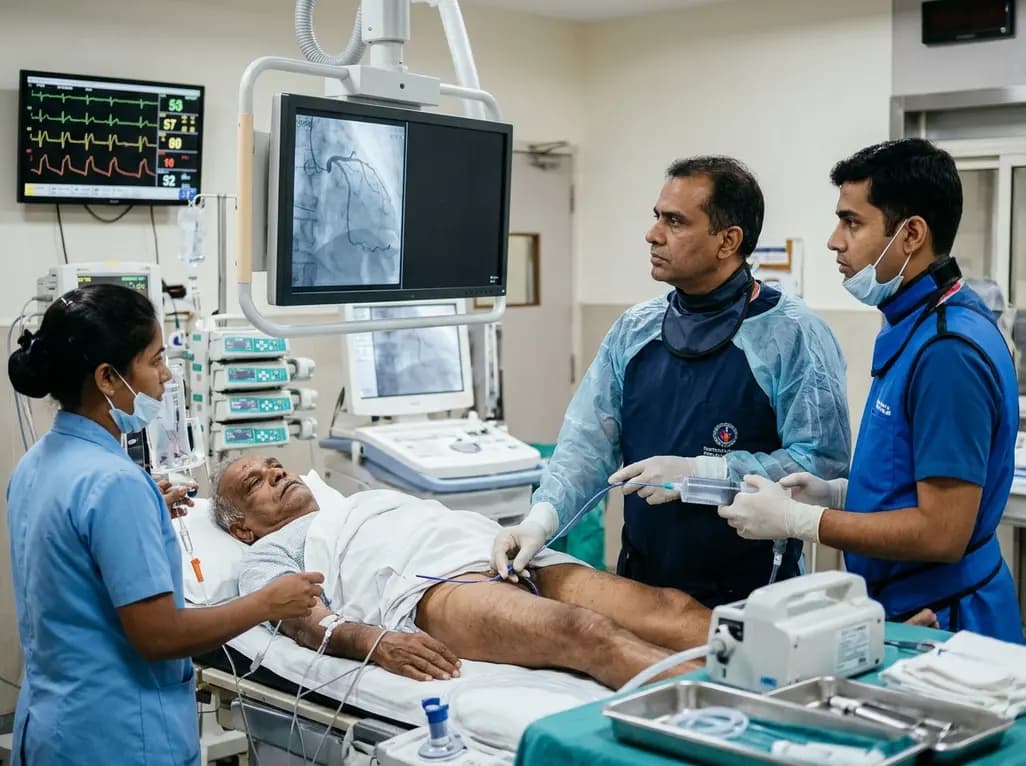
An elderly man with partially repaired Tetralogy of Fallot presented with STEMI caused by coronary embolism rather than atherosclerosis. Successful treatment with sustained mechanical aspiration thrombectomy underscores the vital need for high clinical vigilance in adult congenital heart disease.
Today

A comparative review of tension band wiring and intramedullary screw fixation in thumb metacarpophalangeal arthrodesis, evaluating union rates, hardware complications, and clinical outcomes.
Today

Following regulatory scrutiny from FSSAI regarding promotional representations and lean muscle preservation claims, Dr. Reddy's Laboratories and Nestlé Health Science are currently reviewing the branding and marketing strategy for their joint nutritional supplement Celevida GLP+.
Today
