.webp&w=384&q=75)

Loading, please wait...
Loading, please wait...

The bamboo worm (Omphisa fuscidentalis) serves as a vital biological resource across Southeast Asia and Northeast India. High concentrations of protein and healthy lipids make edible bamboo worm nutrition a significant component of regional diets and public health strategies. A recent ethnobiological study in Yunnan Province, China, explores how collection practices are shifting alongside rapidly changing rural livelihoods.
Researchers conducted semi-structured interviews and participatory observations with 125 households across four villages in Dehong Prefecture. These communities included the Dai, Jingpo, and De'ang ethnic groups. While all groups value the insect, their harvesting motivations vary significantly. For example, the lowland Dai primarily gather the worms for self-consumption. In contrast, mountain-dwelling Jingpo and De'ang households often sell their surplus to local markets to boost their income. Notably, the study identified thirteen different host bamboo species and documented ten unique culinary preparations.
Despite the cultural importance of these insects, the study recorded a significant decline in household participation. Specifically, involvement in collection dropped from 92.8% to 84.0% over the last few decades. This trend correlates with broader shifts toward off-farm employment and modernization. Furthermore, the intensity of harvesting has increased in some commercialized areas. Because collectors often cut down entire bamboo culms to find the larvae, there are growing concerns regarding the long-term sustainability of the resource.
Moreover, the transition toward commercialization suggests that edible bamboo worm nutrition is becoming a market commodity rather than a purely subsistence food. Therefore, balancing economic benefits with ecological conservation is essential for the future of this traditional practice. Strengthening local knowledge and implementing sustainable harvesting techniques could protect both the insect populations and the rural livelihoods that depend on them.
Bamboo worms are exceptionally rich in high-quality protein and essential fatty acids. They also provide significant amounts of potassium and calcium, which are crucial for maintaining bone health and metabolic function.
Yes, bamboo worms have been consumed for centuries and are considered non-toxic. They contain low levels of anti-nutritional factors like phenols and tannins, making them a safe and sustainable alternative protein source.
Recent years have seen a shift from opportunistic collection for family meals to organized harvesting for commercial sale. This change is driven by growing market demand but poses risks to bamboo forest sustainability if not managed carefully.
Disclaimer: This content is for informational and educational purposes only... Refer to the latest local and national guidelines for clinical practice.
References

Read summarized clinical updates, watch expert medical content, and earn CME certifications right from your smartphone.
Open your smartphone camera to scan and install.





Explore the shifting dynamics of bamboo worm collection and the critical role of edible bamboo worm nutrition in rural Asian livelihoods and food security....
6 months ago
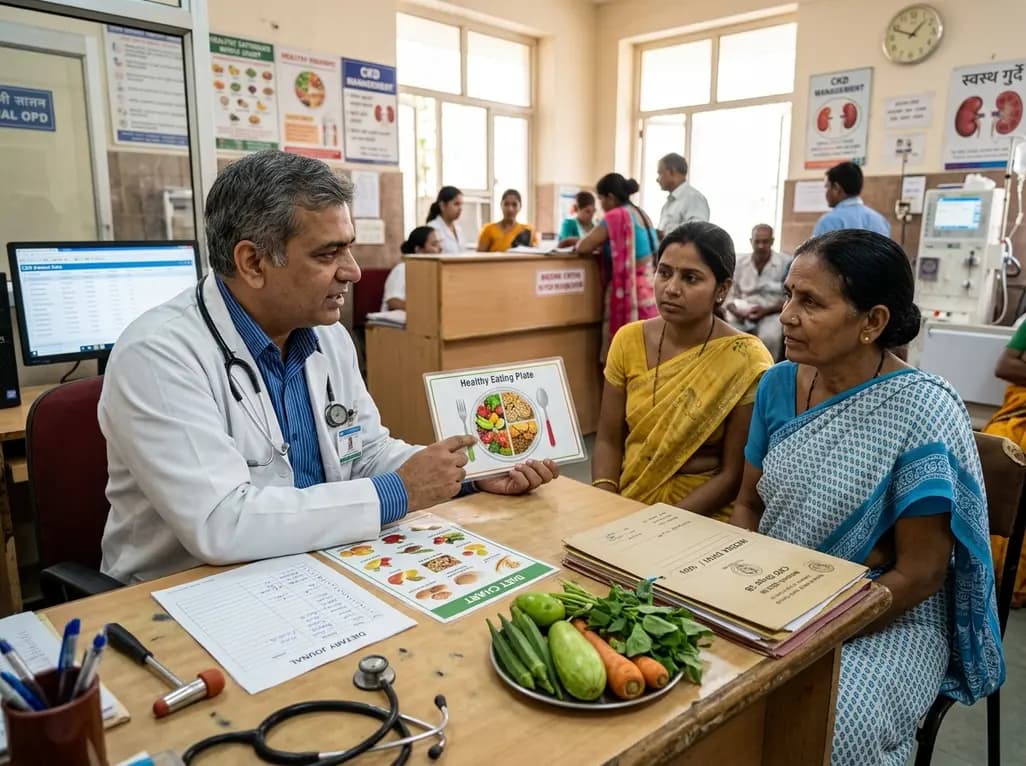
A large NHANES cohort study reveals that higher Healthy Eating Index scores significantly reduce all-cause mortality risk in CKD patients by 45%. This analysis highlights the importance of comprehensive diet quality and medical nutrition therapy in renal care to optimize long-term clinical survival.
Today

A prospective cohort study demonstrates that poor adolescent sleep quality, especially long sleep latency and reduced efficiency, increases dysmenorrhea severity in young adulthood. Addressing adolescent rest patterns offers a critical preventive avenue for clinicians.
Today

A meta-analysis of 13 propensity score-matched studies shows ViV-TAVR delivers lower early mortality and reduced bleeding compared to redo-SAVR for degenerated bioprosthetic aortic valves, though long-term hemodynamics warrant careful anatomical and patient-centered evaluation.
Today
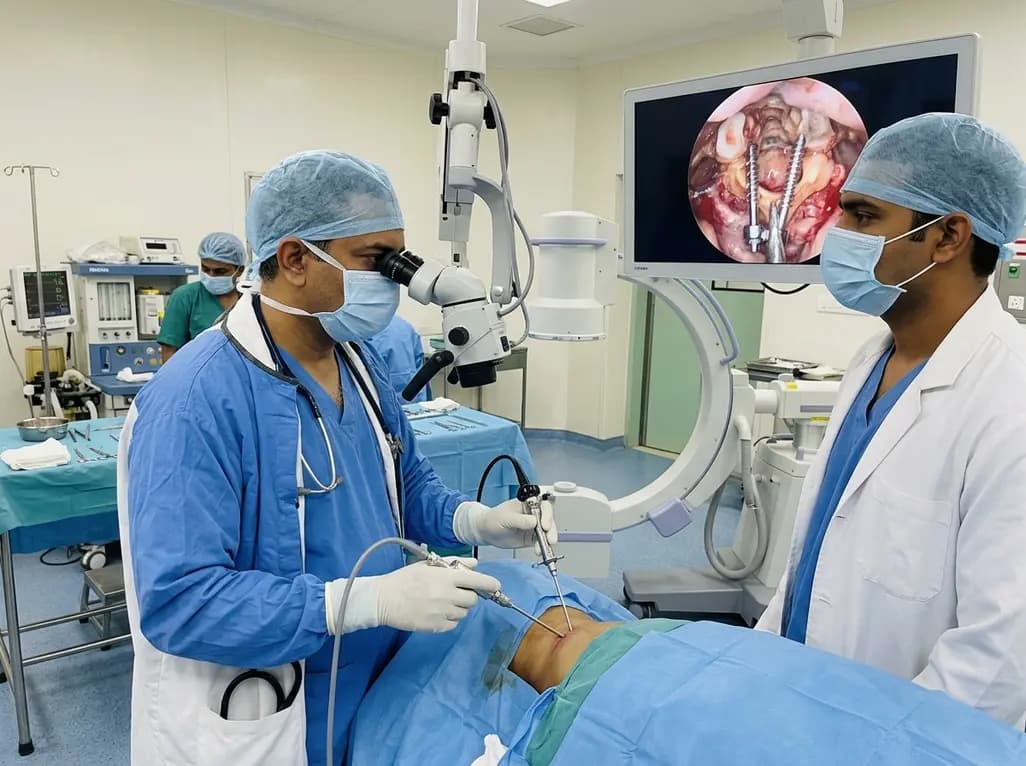
Endoscopic posterior cervical fusion combines minimally invasive decompression, joint preparation, and rigid screw-rod fixation for atlantoaxial pathologies. Early clinical findings demonstrate solid bony union, excellent symptom relief, and minimal soft-tissue morbidity without significant vascular compromise.
Today
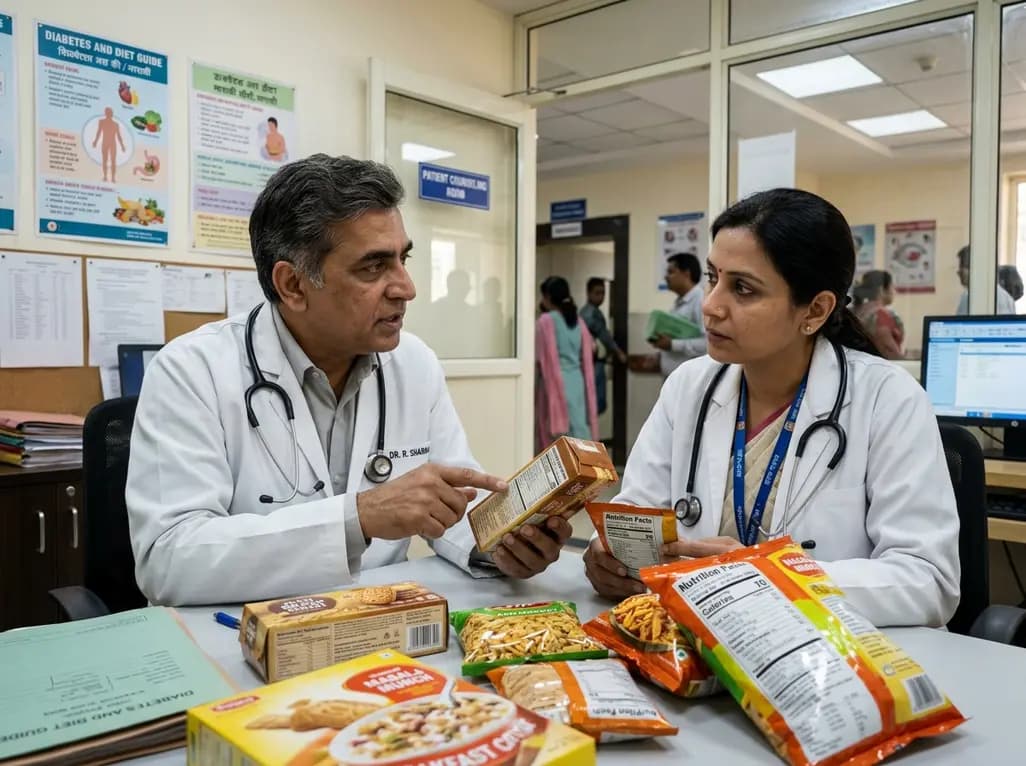
The All-India Food Processors' Association has approached the Supreme Court to oppose FSSAI's proposed per-100g benchmark for front-of-pack warning labels, advocating instead for a per-serving threshold. We explore the regulatory showdown, nutritional evidence, and implications for clinical lifestyle counseling.
Today
