.webp&w=384&q=75)

Loading, please wait...
Loading, please wait...

Determining the quality of end-of-life care for adolescents and young adults (AYAs) with cancer remains a critical challenge for oncology teams. While administrative data provide some metrics, the lived experiences of families offer deeper insights. A recent study surveyed 200 bereaved caregivers to understand how health systems meet the unique needs of this demographic.
The results highlighted significant disparities between different care domains. Interestingly, caregivers rated their relationships with clinicians as the highest quality aspect of care. Conversely, the study identified psychosocial and spiritual support as the areas with the lowest satisfaction scores. These findings suggest that while clinical interactions are strong, holistic support remains underdeveloped in many settings.
Clinicians must prioritize several key areas to bridge existing gaps in service delivery. For example, comfort and symptom management were identified as highly important by both patients and their families. Furthermore, the autonomy and independence of AYA patients are crucial factors that clinicians should integrate into treatment plans. Consequently, addressing these priorities can significantly enhance the overall care experience.
In the Indian context, providing palliative care for AYAs often faces logistical and cultural barriers. Many patients are caught in a \"no-man's land\" between pediatric and adult services. Therefore, specialized training for Indian oncologists and nurses is essential to provide age-appropriate support. Specifically, improving access to home-based palliative services could align care more closely with patient preferences and improve outcomes.
Psychosocial and spiritual needs often fall by the wayside in high-intensity medical environments. Nevertheless, caregivers consistently emphasize the value of these services during the final stages of illness. Moreover, effective communication regarding prognosis can reduce caregiver distress and allow for better planning. Ultimately, a multidisciplinary approach that includes social workers and spiritual counselors is necessary to provide comprehensive end-of-life support.
Psychosocial care frequently lacks the specialized resources needed for the unique developmental stage of young adults. Clinicians may focus more on intensive medical treatments, which can overshadow the emotional and spiritual needs of the patient and their family.
Health professionals should adopt a transparent and timely approach to discussing prognosis. By involving patients in shared decision-making early on, clinicians can ensure that care aligns with the patient's personal goals and preferences.
Disclaimer: This content is for informational and educational purposes only. It is not intended as medical advice or a substitute for professional healthcare guidance. Refer to the latest local and national guidelines for clinical practice.
References
Guzman G et al. Bereaved Caregiver Perspectives on Quality of Care at the End of Life Among Adolescents and Young Adults with Cancer. J Palliat Med. 2026 May 07. doi: 10.1177/10966218261447722. PMID: 42095288.
Mack JW et al. Barriers to Optimal End-of-Life Care for Adolescents and Young Adults With Cancer: Bereaved Caregiver Perspectives. J Natl Compr Canc Netw. 2021;19(5):528-533. doi:10.6004/jnccn.2020.7645.
Mathias T et al. Palliative and end-of-life care initiatives for people dying from cancer in India. PMC. 2024. PMCID: PMC11135402.

Read summarized clinical updates, watch expert medical content, and earn CME certifications right from your smartphone.
Open your smartphone camera to scan and install.





A study of 200 bereaved caregivers reveals high marks for clinician relationships but highlights gaps in psychosocial and spiritual cancer care....
5 months ago

Explore vital recurrent stroke predictors in lacunar stroke patients managed with intensive blood pressure lowering. This analysis examines trial findings from SPS3 to uncover residual vascular risks, metabolic factors, and targeted secondary prevention strategies for high-risk neurological patients.
Today
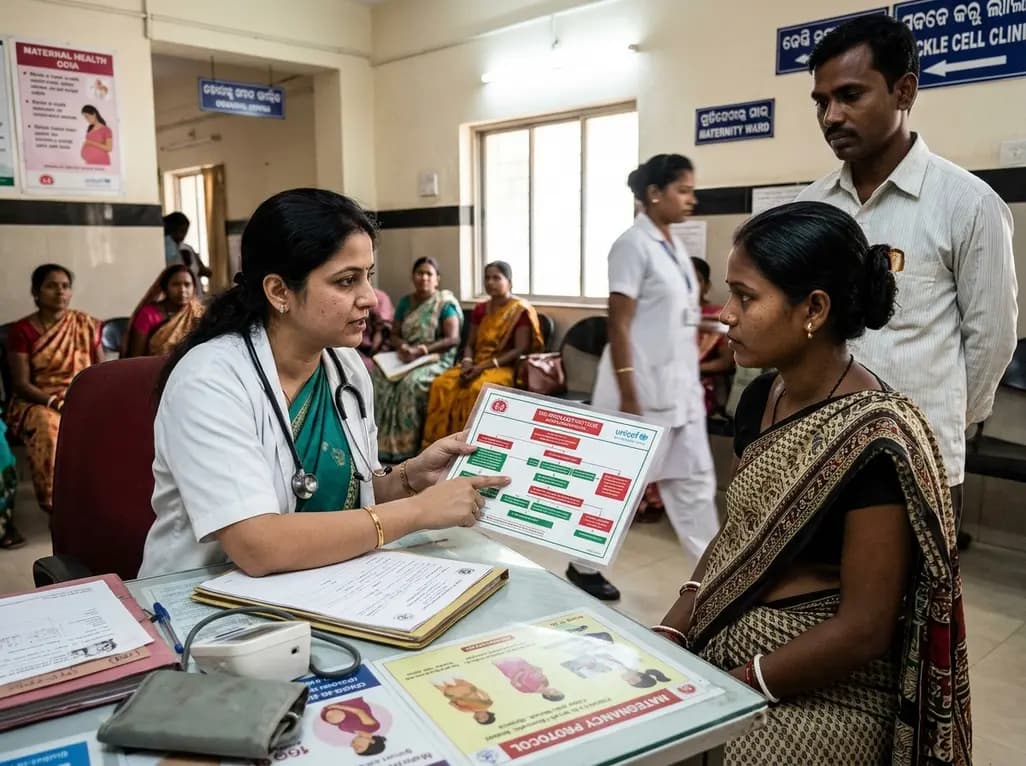
Odisha has established India's first state-level clinical protocol specifically tailored for pregnant women with sickle cell disease. Developed with NHM and UNICEF, the framework provides structured antenatal screening, crisis mitigation, standardized referral pathways, and specialized interdisciplinary care.
Today

The Directorate General of Health Services directs Indian states to halt the hazardous reuse and reprocessing of single-use medical devices. Discover regulatory implications under the Drugs and Cosmetics Act, critical infection risks, legal liabilities, and operational changes required across clinical specialties.
Today
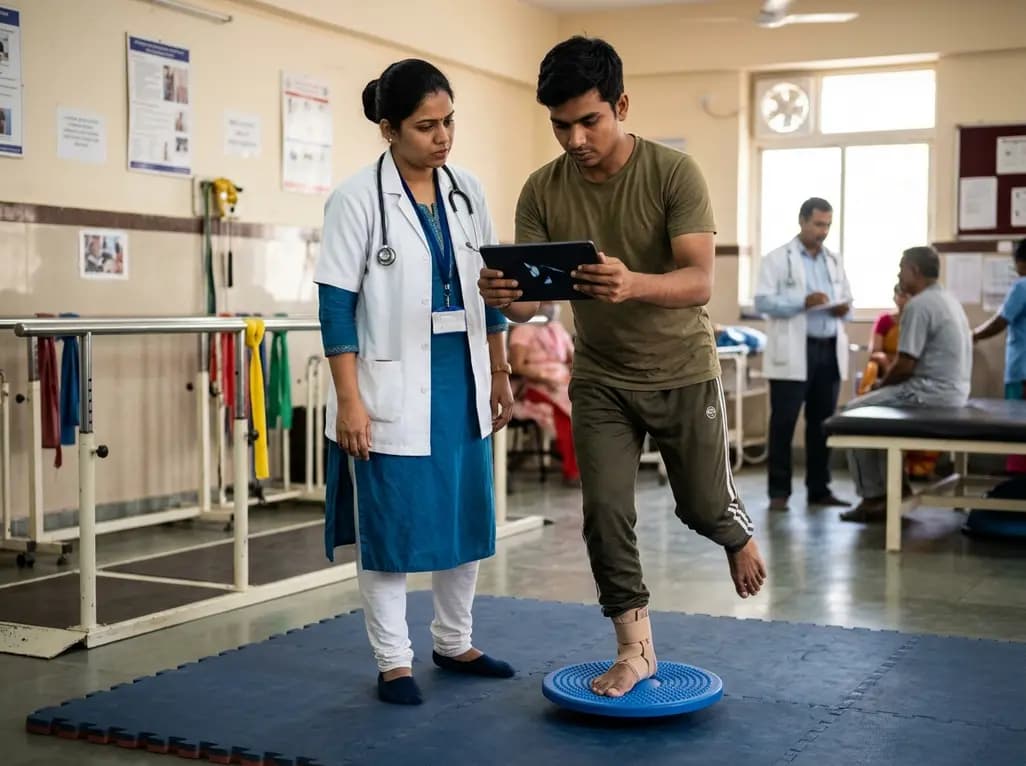
A randomized controlled trial demonstrates that an eight-week dual-task training intervention significantly improves static and dynamic postural control over standard balance exercises in individuals with chronic ankle instability, addressing critical neurocognitive deficits during athletic and daily activities.
Today

India is advancing preventive healthcare by integrating genomics, artificial intelligence, and quantum technologies. With the SANGAM programme sequencing one million Indian genomes, clinicians can unlock personalized therapies, detect cardiometabolic risks early, and curb the burden of diabetes and heart disease.
Today
