.webp&w=384&q=75)

Loading, please wait...
Loading, please wait...

Autoimmune blistering diseases (AIBDs), including pemphigus and pemphigoid, represent a significant clinical challenge in dermatology. Reliable epidemiological research is vital for understanding these conditions. However, a recent scoping review suggests that many population-based studies rely on unvalidated autoimmune blistering disease definitions. This reliance on administrative coding or electronic health records without verification may skew the data.
Researchers examined 92 studies covering various AIBDs. Most studies used International Classification of Diseases (ICD) codes. However, only a few performed rigorous validation. For example, in 63 pemphigoid studies, only 26 validated their cases. They typically used a mix of clinical diagnosis, histopathology, and immunofluorescence. Notably, the lack of validation was more pronounced in rarer diseases like epidermolysis bullosa acquisita (EBA).
The review highlights a critical gap in current research methodologies. Among 39 pemphigus studies, only 5 validated their cases through chart reviews. Furthermore, only two out of six dermatitis herpetiformis studies used validated criteria. This lack of consistency makes it difficult to compare epidemiological findings globally. Therefore, researchers recommend improving validation practices to enhance data accuracy.
For clinicians, this means that data from large-scale health records must be interpreted with caution. Strengthening the link between clinical findings and administrative codes is necessary. In addition, future research should integrate standardized scoring systems. Consequently, this will lead to more robust and comparable evidence for managing AIBDs.
Validation ensures that the diagnostic codes used in health records accurately represent the patient's condition. Without it, researchers risk misclassifying diseases, which leads to unreliable prevalence and outcome data.
Valid case definitions often require a combination of two or more findings. These include characteristic clinical symptoms, histopathological evidence from skin biopsies, and positive immunofluorescence testing.
Disclaimer: This content is for informational and educational purposes only and does not constitute medical advice or a professional relationship between any party. It is not intended to be a substitute for professional medical advice, diagnosis, or treatment. Always seek the advice of your physician or other qualified health provider with any questions you may have regarding a medical condition. Refer to the latest local and national guidelines for clinical practice.
References
Zhao HJ et al. Population-Based and Routinely Collected Health Data Studies of Immunobullous Diseases: A Scoping Review. J Cutan Med Surg. 2026 Apr 25. doi: 10.1177/12034754261442933. PMID: 42033200.
Persson M, et al. Validation study of bullous pemphigoid and pemphigus vulgaris recording in routinely collected electronic primary healthcare records in England. BMJ Open. 2020;10(7):e035934. doi: 10.1136/bmjopen-2019-035934.
Schmidt E, Zillikens D. The diagnosis and treatment of autoimmune blistering skin diseases. Dtsch Arztebl Int. 2011;108(23):399-405. doi: 10.3238/arztebl.2011.0399.

Read summarized clinical updates, watch expert medical content, and earn CME certifications right from your smartphone.
Open your smartphone camera to scan and install.





A scoping review highlights the need for validated case definitions in studies of autoimmune blistering diseases to ensure accurate epidemiological data....
6 months ago
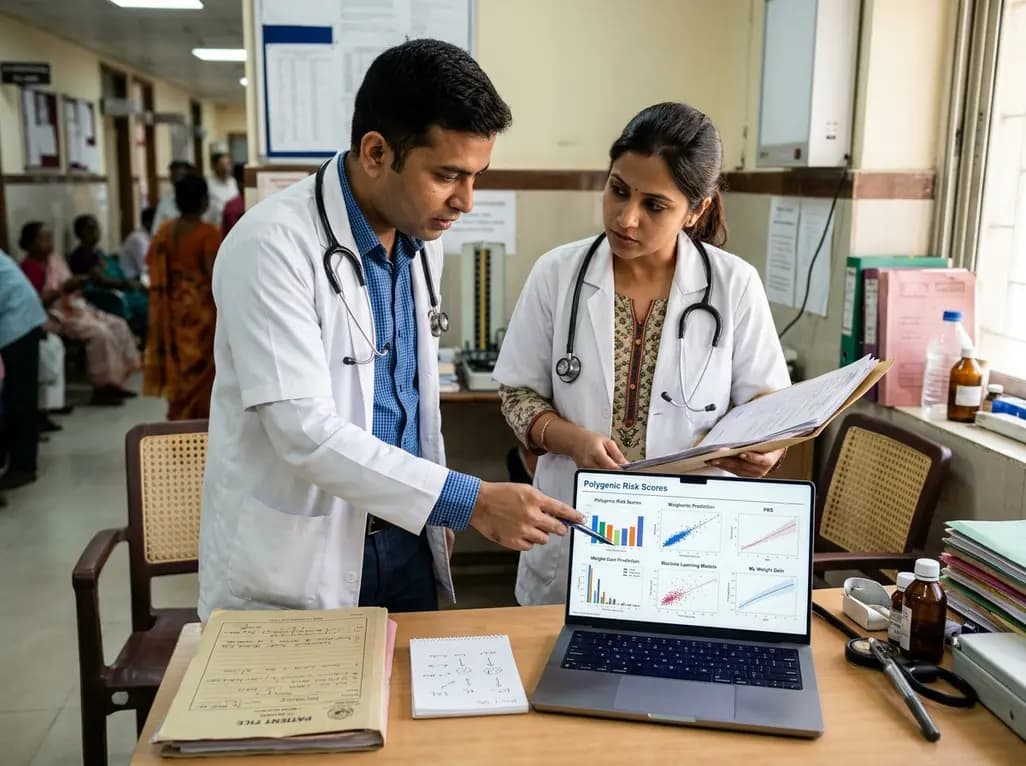
An observational study from the NIH All of Us Research Program reveals that adding a multi-ancestry polygenic risk score to machine learning models provides only modest improvements in predicting adult weight gain, underscoring the enduring significance of routine clinical and lifestyle factors.
Today

A study in JAMIA Open shows lightweight open-source reasoning LLMs achieve up to 95% sensitivity and accelerate evidence synthesis screening by nearly twentyfold, presenting a cost-effective, scalable AI solution for biomedical research and systematic reviews.
Today
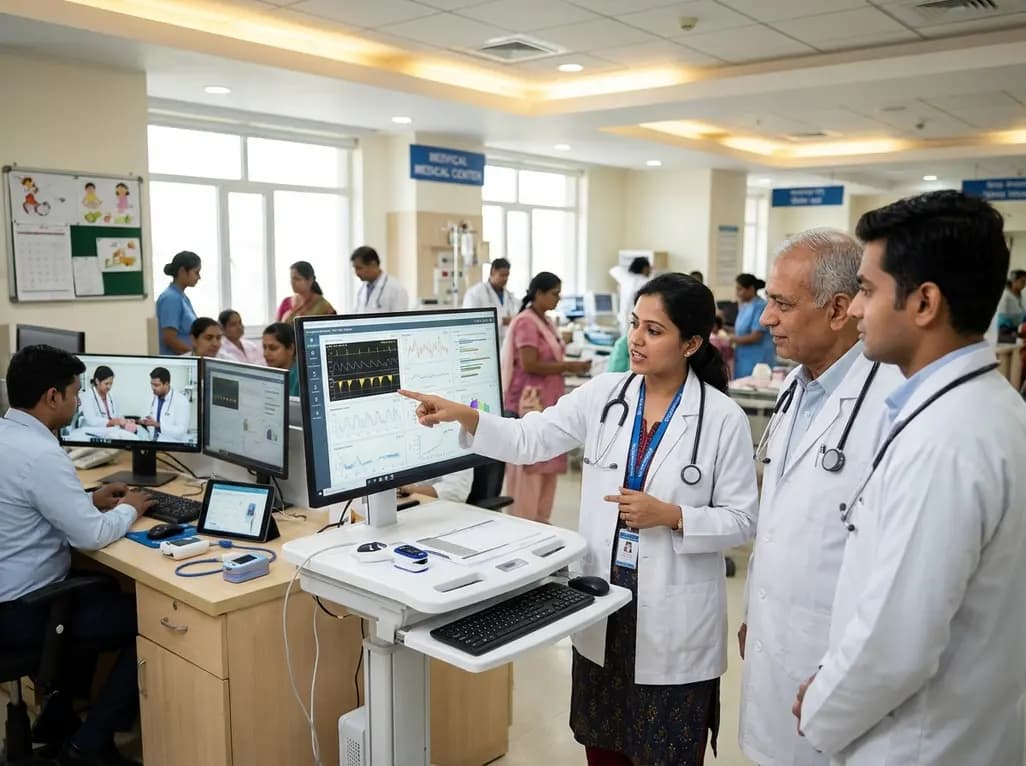
A landmark study details how an enterprise pediatric remote patient management model expanded from a single cardiology pilot to 16 diverse specialty programs by combining centralized digital operations with specialty clinical leadership.
Today

A comparative review of tension band wiring and intramedullary screw fixation in thumb metacarpophalangeal arthrodesis, evaluating union rates, hardware complications, and clinical outcomes.
Yesterday
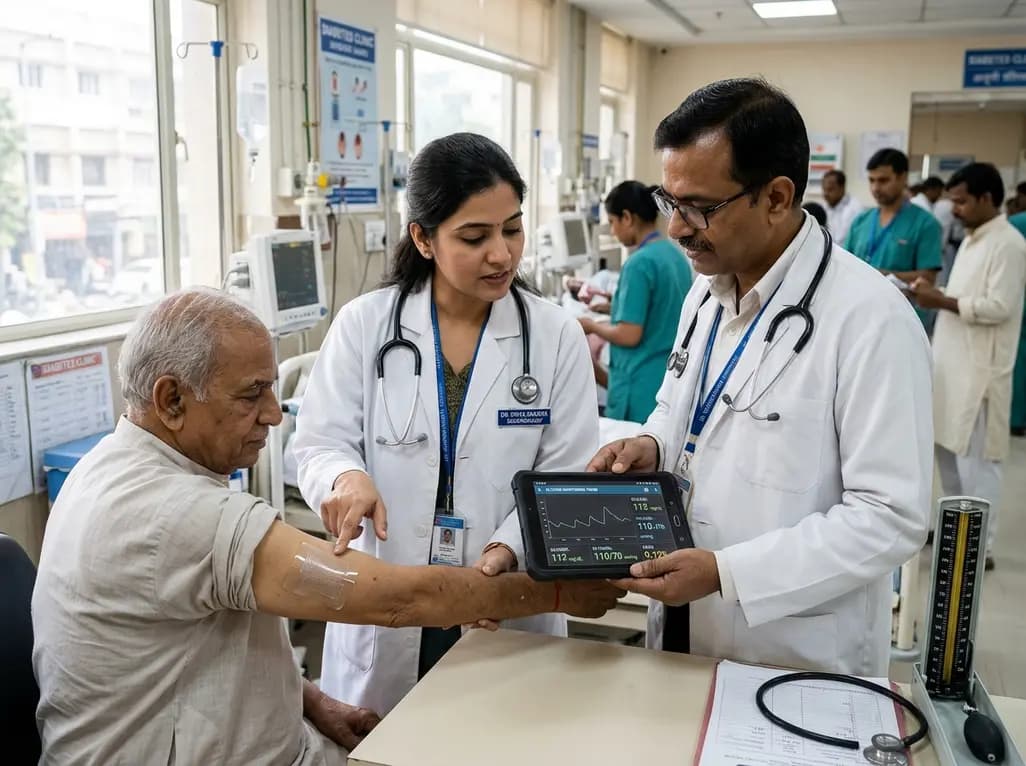
A breakthrough ultrathin multimodal sensor decouples physical hemodynamic monitoring from disposable electrochemical calibration, achieving long-term wearable glucose prediction with 81.36% accuracy and a 9.12% MARD. This offers a robust, drift-free solution for outpatient metabolic surveillance.
Yesterday
