.webp&w=384&q=75)

Loading, please wait...
Loading, please wait...

In endemic regions, understanding anthrax transmission vectors is crucial for effective public health surveillance. A recent study published in Scientific Reports investigated how the wool and hair of ruminants and canines serve as environmental reservoirs for Bacillus anthracis. Specifically, researchers evaluated the role of these animal products in human exposure across high-risk districts. The findings highlight a significant zoonotic potential, particularly from small ruminants like sheep and goats.
The study utilized a combination of microscopic methods, bacterial culture, and PCR to identify B. anthracis in animal samples. Notably, over 25% of the samples exhibited characteristic spore-forming bacilli under microscopy. However, only 9.52% of these samples were confirmed via PCR and culture on selective PLET agar. Consequently, this discrepancy suggests that relying solely on conventional microscopy may lead to an overestimation of anthrax prevalence. Therefore, clinicians and veterinarians must integrate molecular methods for accurate diagnosis.
Small ruminants act as primary reservoirs for the bacteria. Because sheep and goats showed high exposure rates of approximately 33%, they pose a direct threat to livestock handlers and textile workers. Furthermore, the presence of spores in animal hair confirms the risk of "woolsorter’s disease" or inhalational anthrax in industrial settings. These results emphasize the necessity for strict biosecurity measures. Specifically, the findings call for improved hygiene practices and animal vaccination programs in endemic areas such as Odisha, Andhra Pradesh, and West Bengal in India.
Microscopy can identify Gram-positive rods, but it cannot differentiate B. anthracis from other closely related Bacillus species with high specificity. Integrating culture and PCR ensures a definitive diagnosis by identifying species-specific genetic markers.
The hair and wool of small ruminants, particularly sheep, are significant vectors. These materials can harbor resistant spores for long periods, leading to cutaneous or inhalational exposure in humans who handle raw animal products.
Disclaimer: This content is for informational and educational purposes only. It does not constitute professional medical advice, diagnosis, or treatment. Always seek the advice of your physician or other qualified health provider with any questions you may have regarding a medical condition. Refer to the latest local and national guidelines for clinical practice.
References

Read summarized clinical updates, watch expert medical content, and earn CME certifications right from your smartphone.
Open your smartphone camera to scan and install.





Recent research highlights the role of ruminant hair and wool as significant vectors for Bacillus anthracis, posing a zoonotic risk in endemic regions....
6 months ago
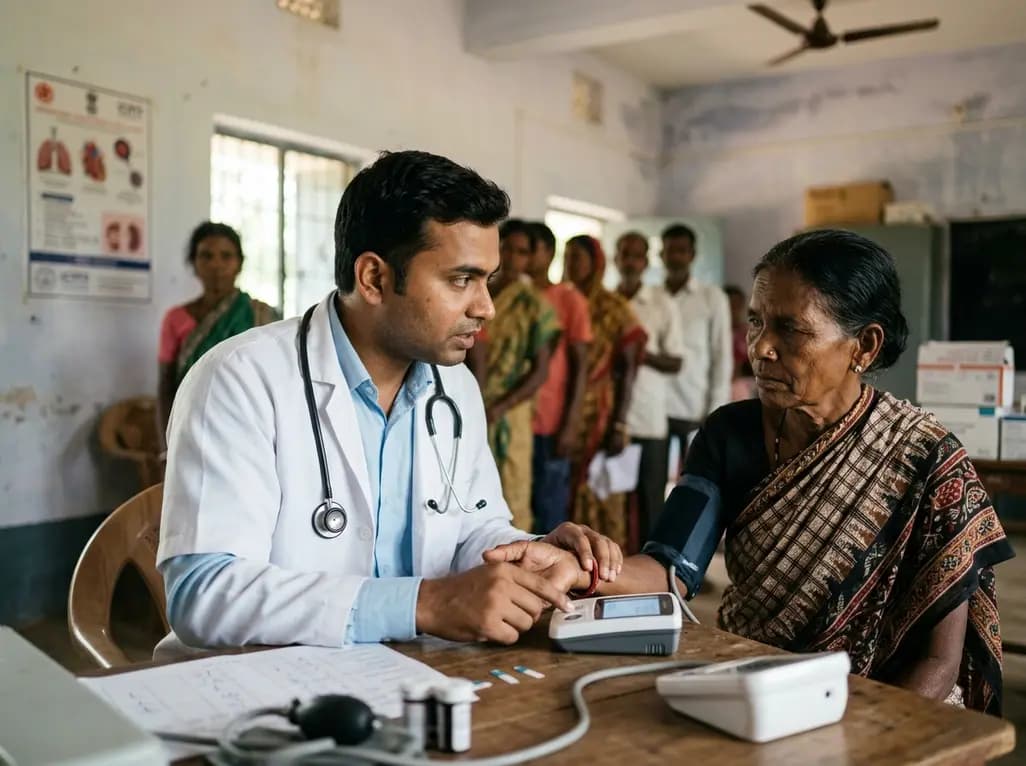
An ICMR study reveals that nearly 25% of tribal adults in Odisha suffer from renal decline. Driven by untreated hypertension, diabetes, and lifestyle risks, this hidden burden highlights the critical need for point-of-care diagnostics, proactive screening, and targeted non-communicable disease interventions.
Today

Recent research reveals distinct protein secretion profiles and morphometric shifts between euploid and aneuploid human blastocysts cultured in an advanced 3D endometrial platform, opening new avenues for non-invasive embryo assessment.
Today
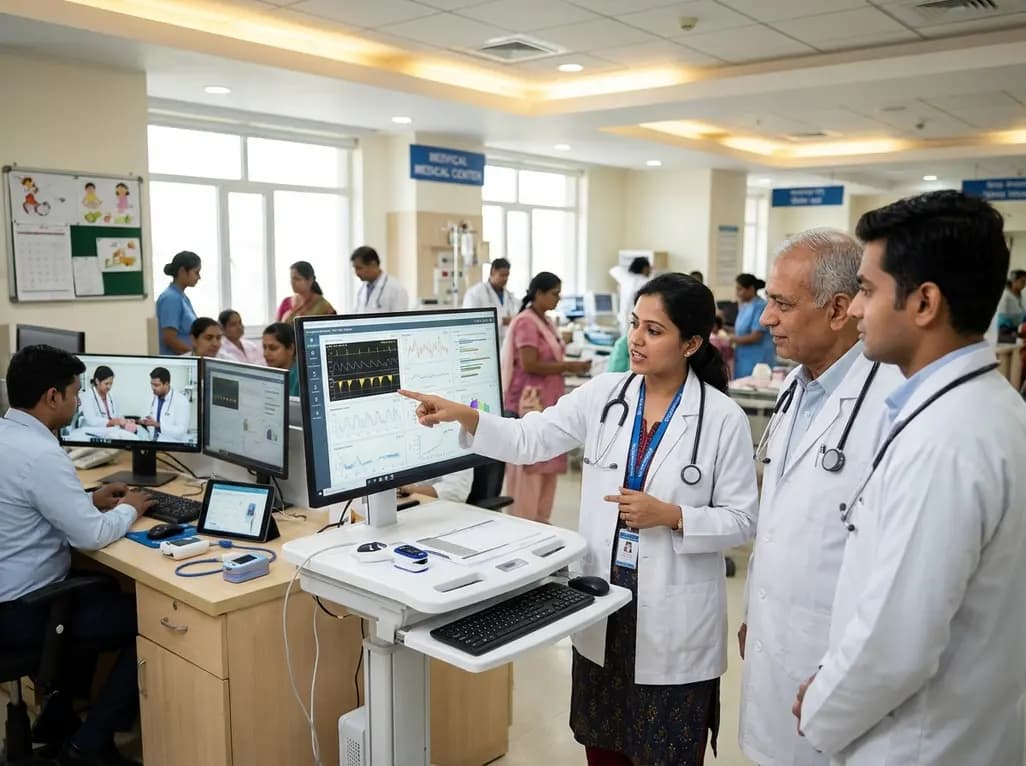
A landmark study details how an enterprise pediatric remote patient management model expanded from a single cardiology pilot to 16 diverse specialty programs by combining centralized digital operations with specialty clinical leadership.
Yesterday
Peripheral nerve injuries present clinical challenges due to regenerative mismatches between sensory and motor neurons. This review explores cutting-edge tissue-engineered nerve grafts designed as central-peripheral signal relays to overcome denervation atrophy and restore functional motor-sensory recovery.
Today
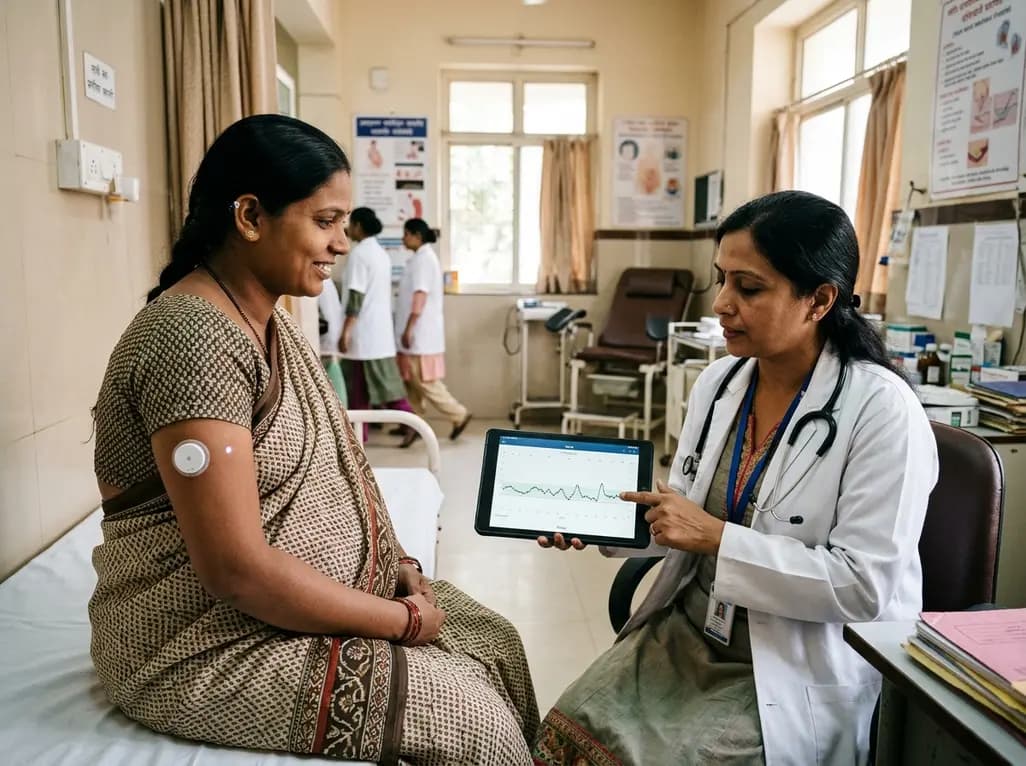
A prospective multicenter trial demonstrates that a 15-day factory-calibrated continuous glucose monitoring system provides high analytical accuracy (MARD ~7.7%) and safety in pregnant women with gestational diabetes mellitus.
Today
