.webp&w=384&q=75)

Loading, please wait...
Loading, please wait...

Oral ulcers are highly prevalent mucosal disorders that cause significant pain and discomfort. However, current therapies often fail because saliva quickly washes away topical medications. Researchers have recently developed a revolutionary oral ulcer treatment using an amylase-responsive bilayer film (PZ/SP). This innovative biomaterial platform addresses the limitations of retention time and bioavailability in the oral cavity.
The system consists of a starch-pectin matrix integrated with catechol-zinc (PA-Zn) nano-enzymes. Specifically, salivary amylase triggers the progressive degradation of the inner starch layer. This mechanism ensures a sustained and controlled release of therapeutic enzymes directly at the ulcer site. Meanwhile, the outer pectin layer maintains the structural integrity of the film against the harsh oral environment. Consequently, the drug stays in contact with the wound for a much longer duration than traditional gels.
This film demonstrates a unique dual-phase therapeutic action. First, it provides effective scavenging of reactive oxygen species (ROS) through superoxide dismutase (SOD)-mimicking activity. Furthermore, it actively modulates the inflammatory response. It promotes the polarization of macrophages from a pro-inflammatory (M1) to an anti-inflammatory (M2) phenotype. Therefore, it creates an ideal microenvironment for tissue repair rather than just providing a physical barrier.
In vivo studies using murine models have confirmed the efficacy of this film. The PZ/SP film significantly extends the retention of enzymes compared to standard treatments. Additionally, it reduces oxidative stress and accelerates healing by enhancing re-epithelialization and angiogenesis. Moreover, this responsive biomaterial offers a promising new strategy for oral mucosal regeneration. Thus, it represents a major clinical advancement for patients suffering from chronic or recurrent ulceration.
Salivary amylase naturally breaks down the starch layer of the film. This allows the medication to release slowly and only when in contact with saliva, ensuring the drug is not wasted and remains effective for longer periods.
Excessive reactive oxygen species (ROS) cause oxidative stress, which delays wound healing and increases inflammation. By scavenging these molecules, the film reduces tissue damage and helps the ulcer heal faster.
Disclaimer: This content is for informational and educational purposes only and does not constitute medical advice. Always seek the advice of a physician or other qualified health provider with any questions you may have regarding a medical condition. Refer to the latest local and national guidelines for clinical practice.
References
1. Liu X et al. An amylase-responsive bilayer film for sustained enzyme delivery and ROS-scavenging therapy in oral ulcer treatment. J Mater Chem B. 2026 Apr 16. doi: 10.1039/d5tb02515j. PMID: 41989817.
2. Hu S et al. A mussel-inspired film for adhesion to wet buccal tissue and efficient buccal drug delivery. Nat Commun. 2021 Mar 16;12(1):1682.
3. Xu J et al. Localized treatment of oral ulcers via responsive microneedle patch by enhancing mucosal penetration. Int J Pharm. 2026 Jan 18;689:126598.
"
Read summarized clinical updates, watch expert medical content, and earn CME certifications right from your smartphone.
Open your smartphone camera to scan and install.





Researchers develop an amylase-responsive bilayer film for oral ulcer treatment, enhancing enzyme delivery and speeding up mucosal regeneration in vivo....
5 months ago
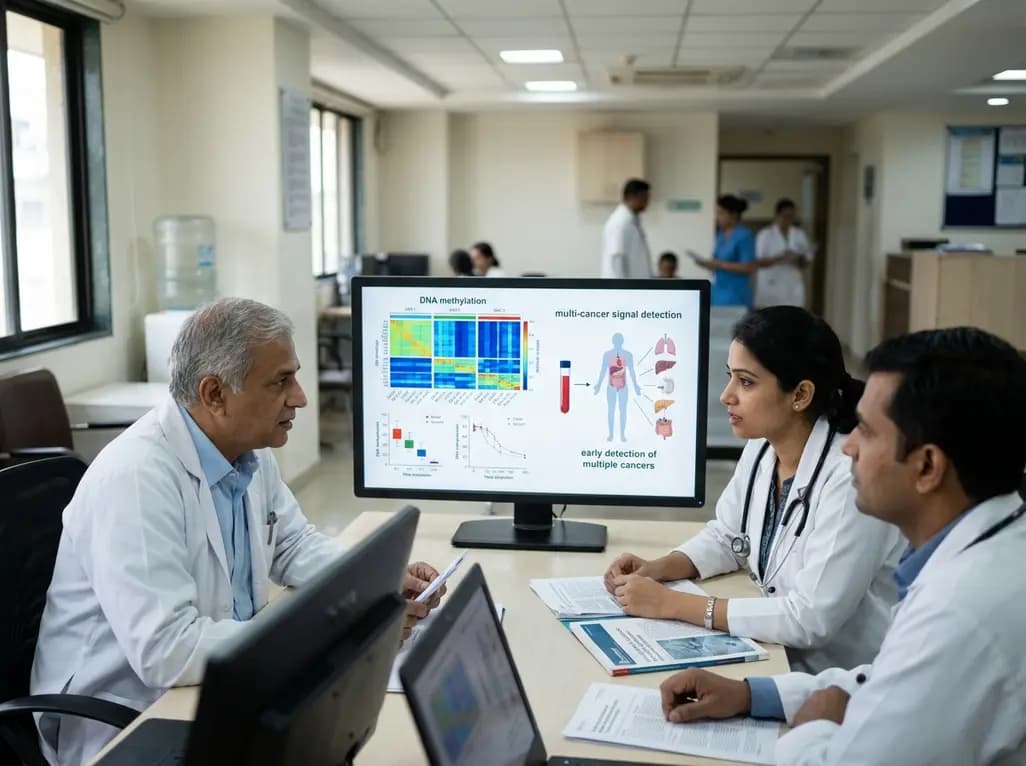
FDA staff reviewers have raised no major safety or analytical concerns regarding Grail's Galleri blood test ahead of an advisory panel meeting. This milestone advances liquid biopsy technologies designed to identify tumor methylation signals across dozens of malignancies before clinical symptoms emerge.
Today
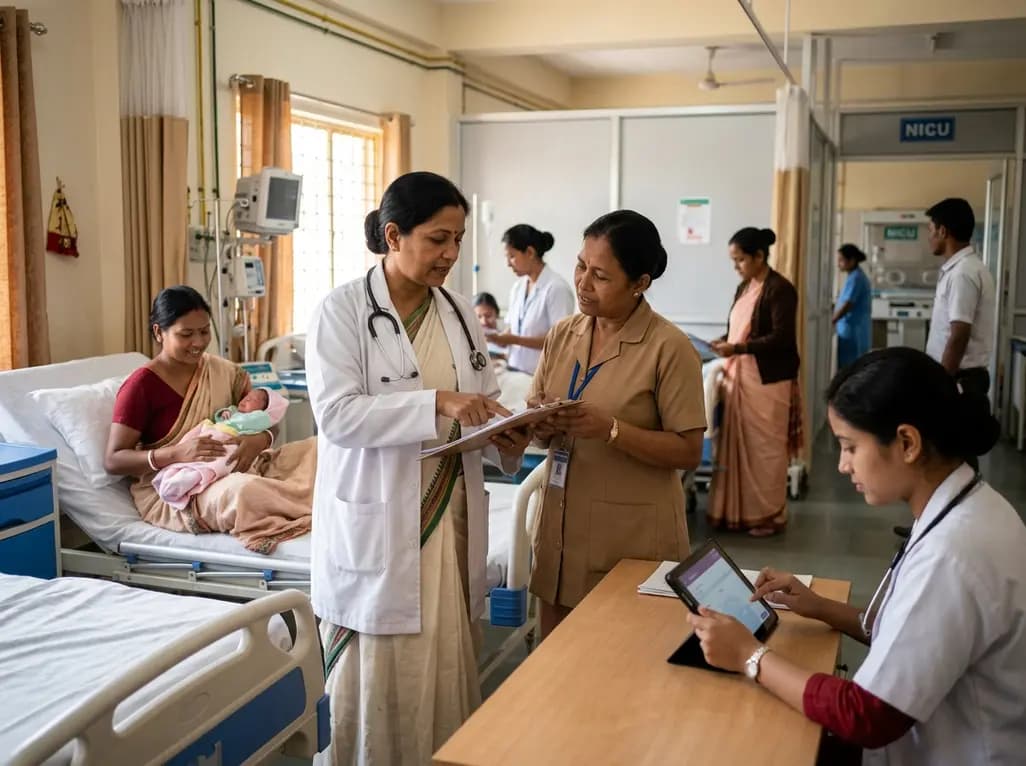
Meghalaya recorded a historic 55% reduction in maternal deaths, dropping from 244 to 107 over five years. Through the MOTHER app, dedicated transit homes, and expanded infrastructure like the 150-bed Tura Maternity Hospital with its first public NICU, the state demonstrates an effective public health model.
Today

Explore modern perioperative management protocols for clinical xenotransplantation. Learn how costimulation blockade, anti-inflammatory perfusion, and coagulopathy rescue overcome interspecies hurdles.
Today
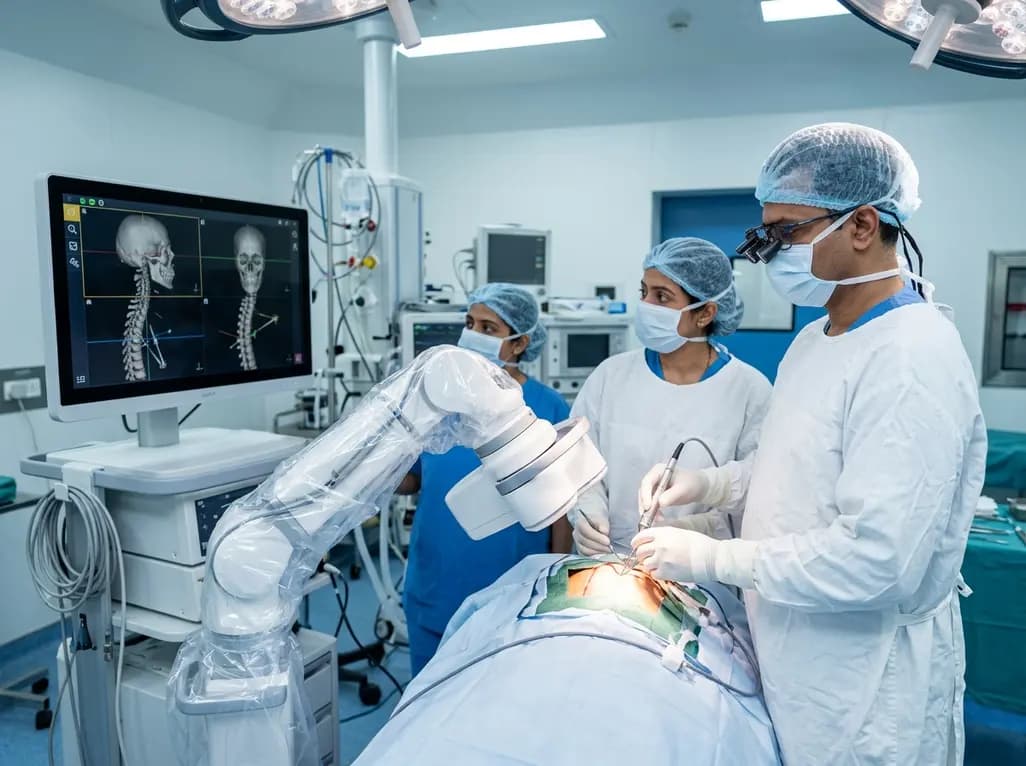
North India's first Centre of Excellence for Brain and Spine at Amrita Hospital Faridabad integrates Brainlab's Loop-X mobile robot. This landmark facility combines cone-beam computed tomography with surgical navigation to elevate precision, optimize operative workflows, and enhance specialized clinician training.
Today
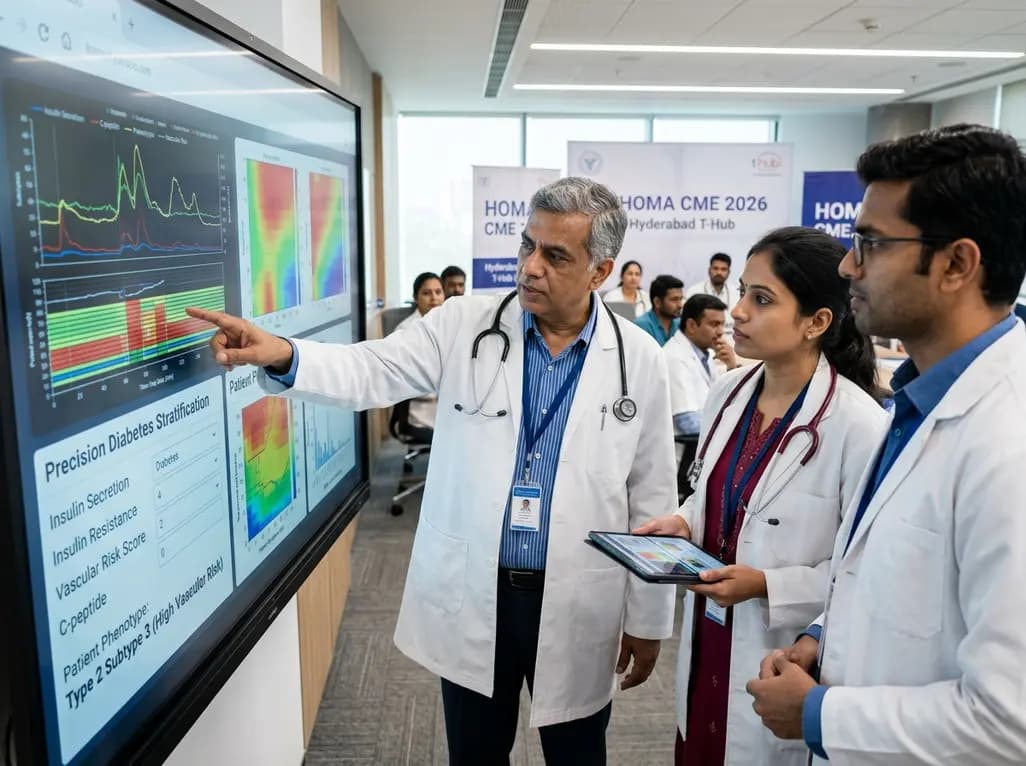
At Homa CME 2026 at Hyderabad's T-Hub, healthcare leaders emphasized moving beyond routine metrics through digital calculators and precision stratification. Discover why characterizing individual insulin secretion, resistance patterns, and vascular risks transforms chronic metabolic care in India.
Today
