.webp&w=384&q=75)

Loading, please wait...
Loading, please wait...
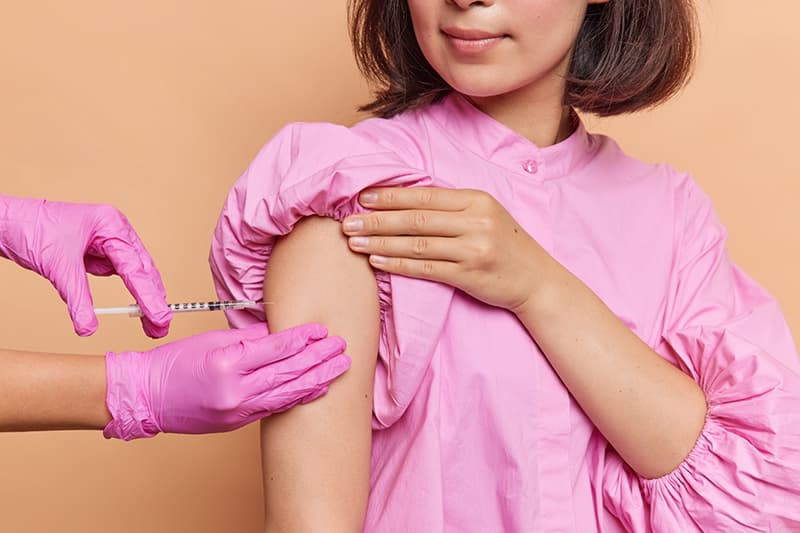
AIIMS Delhi Director Dr M Srinivas recently urged stakeholders to support the nationwide HPV vaccination drive. Consequently, he called upon parents, teachers, and community leaders to promote this critical health initiative. Prime Minister Narendra Modi launched this campaign to improve public health across the country. Furthermore, the initiative has the potential to save countless lives by preventing cervical cancer. This landmark move represents a transformative moment in India's medical history.
Cervical cancer remains a leading cause of cancer deaths among women in India. However, medical experts emphasize that this disease is largely preventable through timely intervention. Scientists have validated the Human Papillomavirus (HPV) vaccine as a safe and highly effective tool. Additionally, systematic administration to girls aged 9 to 14 years provides powerful protection. Therefore, the government aims to reach girls early to ensure maximum benefit and protection.
Vaccination remains one of the most cost-effective public health interventions today. Specifically, the drive helps ease the financial burden on families. Moreover, preventive healthcare serves as the cornerstone of a resilient health system. Dr Srinivas highlighted that every eligible girl should benefit from this life-saving intervention. Collectively, these efforts envision a future where cervical cancer is no longer a public health threat.
Q1: Who is eligible for the HPV vaccine under this drive?
The current nationwide drive primarily targets adolescent girls between the ages of 9 and 14 years to ensure maximum efficacy before any potential viral exposure.
Q2: Is the HPV vaccine safe and scientifically proven?
Yes, medical professionals confirm that the HPV vaccine is safe, scientifically validated, and has been used successfully in global immunization programs for years.
Q3: Why is it important to vaccinate at a young age?
Vaccinating girls at the recommended age provides robust protection before potential exposure to the virus, significantly reducing the risk of developing cervical cancer in adulthood.
Disclaimer: This content is for informational and educational purposes only. It does not constitute medical advice or replace professional judgment. Refer to the latest local and national guidelines for clinical practice.
References

Read summarized clinical updates, watch expert medical content, and earn CME certifications right from your smartphone.
Open your smartphone camera to scan and install.





AIIMS Delhi Director Dr M Srinivas urges support for India's nationwide HPV vaccination drive launched by PM Modi to combat cervical cancer effectively....
7 months ago
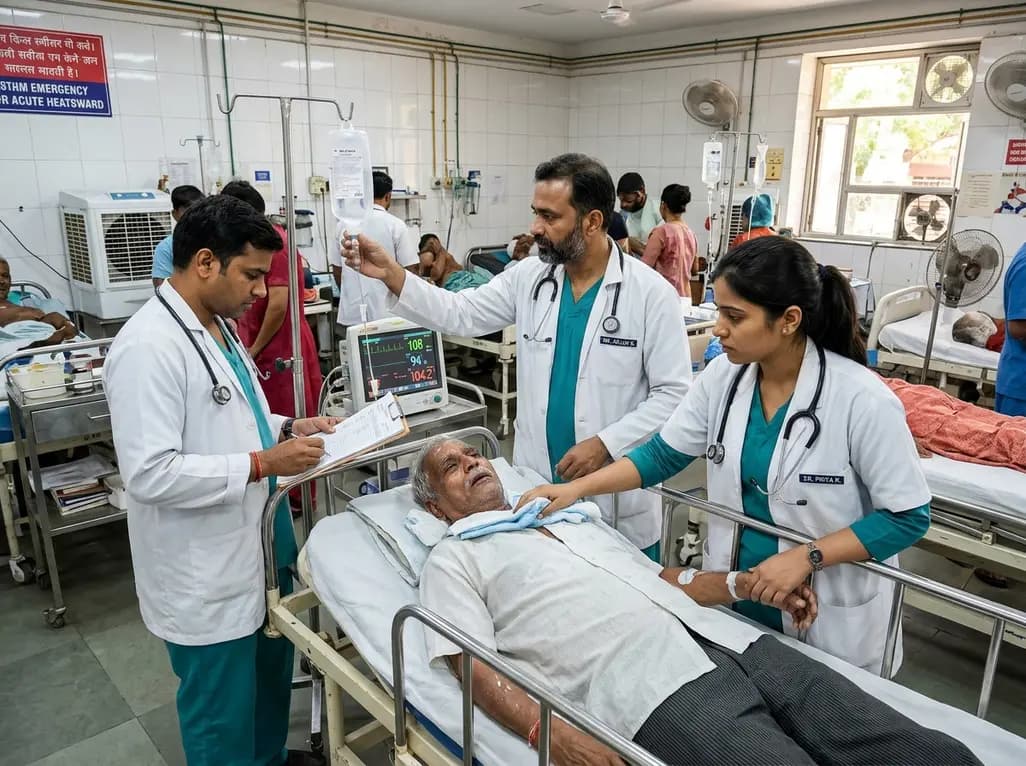
Recent epidemiological data reveals a dramatic surge in summer heat mortality driven by human-induced climate warming. This analysis explores the pathophysiological impacts on cardiac and renal systems, diagnostic dilemmas in death certification, and essential emergency cooling protocols for acute clinical care.
Today
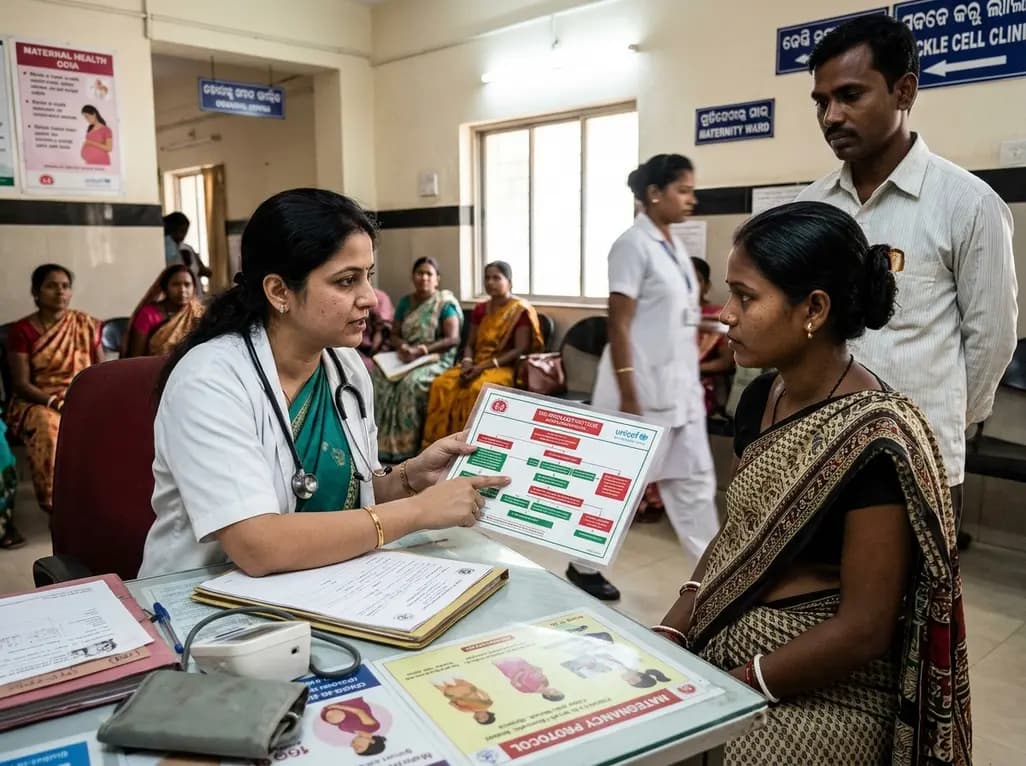
Odisha has established India's first state-level clinical protocol specifically tailored for pregnant women with sickle cell disease. Developed with NHM and UNICEF, the framework provides structured antenatal screening, crisis mitigation, standardized referral pathways, and specialized interdisciplinary care.
Today

India is advancing preventive healthcare by integrating genomics, artificial intelligence, and quantum technologies. With the SANGAM programme sequencing one million Indian genomes, clinicians can unlock personalized therapies, detect cardiometabolic risks early, and curb the burden of diabetes and heart disease.
Today

A randomized controlled trial demonstrates that an eight-week dual-task training intervention significantly improves static and dynamic postural control over standard balance exercises in individuals with chronic ankle instability, addressing critical neurocognitive deficits during athletic and daily activities.
Today

A retrospective cohort study of 7,716 ICU patients from the MIMIC-IV database demonstrates that Gradient Boosting Decision Trees significantly outperform traditional SOFA scores in predicting in-hospital mortality among patients with sepsis and diabetes, with SHAP analysis providing clinical interpretability.
Today
