.webp&w=384&q=75)

Loading, please wait...
Loading, please wait...

AIIMS Delhi has revolutionized neuro-diagnostics with a groundbreaking new tool. Therefore, India's first portable bedside MRI system is now available for immediate point-of-care use. This device allows doctors to perform brain scans directly in the ICU environment. Consequently, medical teams no longer need to transport unstable patients to distant imaging suites. The technology uses an ultra-low-field magnet to ensure patient safety and logistical ease. Furthermore, clinicians can scan patients with metallic implants more safely than with high-field machines.
The system helps in rapid diagnosis for stroke and trauma cases. Moreover, it supports intensive postoperative monitoring in neurosurgery wards. Because it is highly mobile, it reaches patients who cannot move easily. Thus, clinicians get diagnostic results much faster than traditional methods allow. Dr. Shailesh Gaikwad currently manages the device at the Centre for Neurological Conditions. Additionally, the installation follows Indian regulatory approval and receives support from Radiosurgery Global. This development could significantly expand brain imaging access nationwide.
Meanwhile, AIIMS experts issued a critical warning regarding rising temperatures. Dr. Sheffali Gulati emphasized that children face higher heatwave-related health risks. Therefore, parents must ensure frequent hydration using fluids with low sugar content. Infants are particularly vulnerable because they cannot communicate their thirst effectively. Furthermore, extreme heat can aggravate underlying conditions like epilepsy. Specifically, high temperatures can trigger more frequent seizures in epileptic children. Finally, Dr. Naval Vikram suggests wearing loose clothes and covering the head during any outdoor exposure.
Q1: How does the portable MRI differ from conventional systems?
A1: Unlike traditional units, this wheelable device functions in non-shielded environments. It uses ultra-low-field technology to allow imaging directly at the patient's bedside without specialized rooms.
Q2: Who are the primary beneficiaries of this bedside imaging?
A2: The system primarily benefits critically ill patients in the ICU, emergency departments, and pediatric wards where transport to radiology is risky.
Q3: How should parents protect children during a heatwave?
A3: Parents should provide frequent fluids, avoid outdoor activities, and dress children in loose clothing to prevent dehydration and heat-related complications.
Disclaimer: This content is for informational and educational purposes only. It does not constitute medical advice or replace professional judgment. Refer to the latest local and national guidelines for clinical practice.
References

Read summarized clinical updates, watch expert medical content, and earn CME certifications right from your smartphone.
Open your smartphone camera to scan and install.





AIIMS Delhi has introduced India's first portable bedside MRI system to enable rapid neuroimaging for ICU, emergency, and pediatric patients at point-of-car...
5 months ago
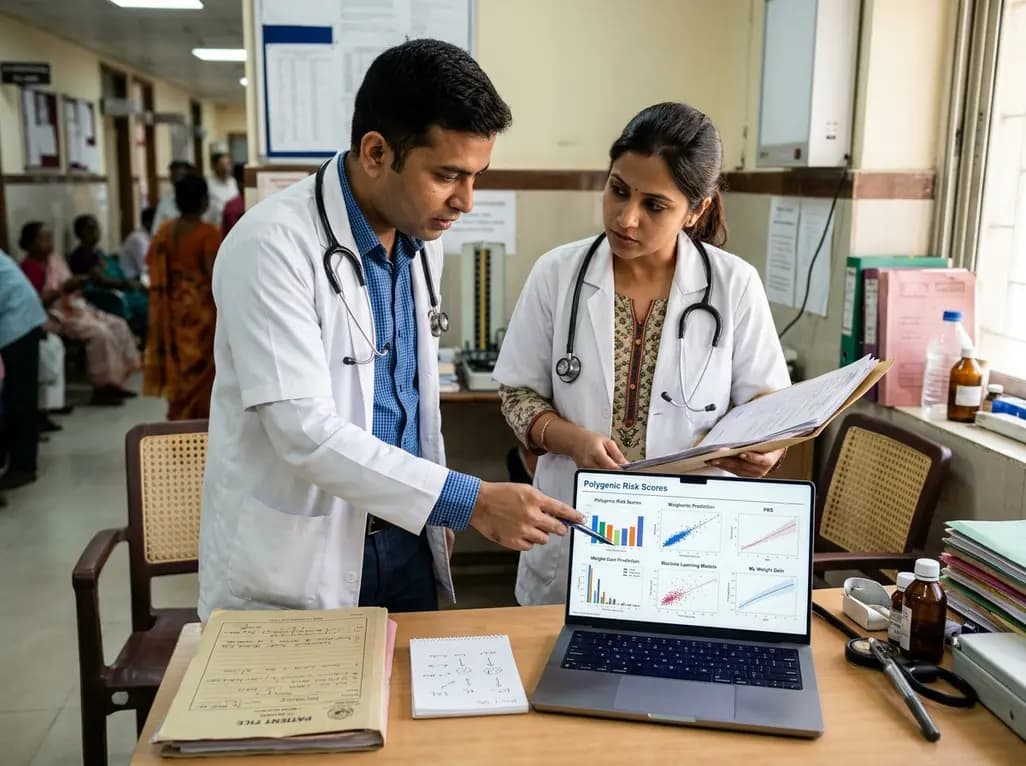
An observational study from the NIH All of Us Research Program reveals that adding a multi-ancestry polygenic risk score to machine learning models provides only modest improvements in predicting adult weight gain, underscoring the enduring significance of routine clinical and lifestyle factors.
Today
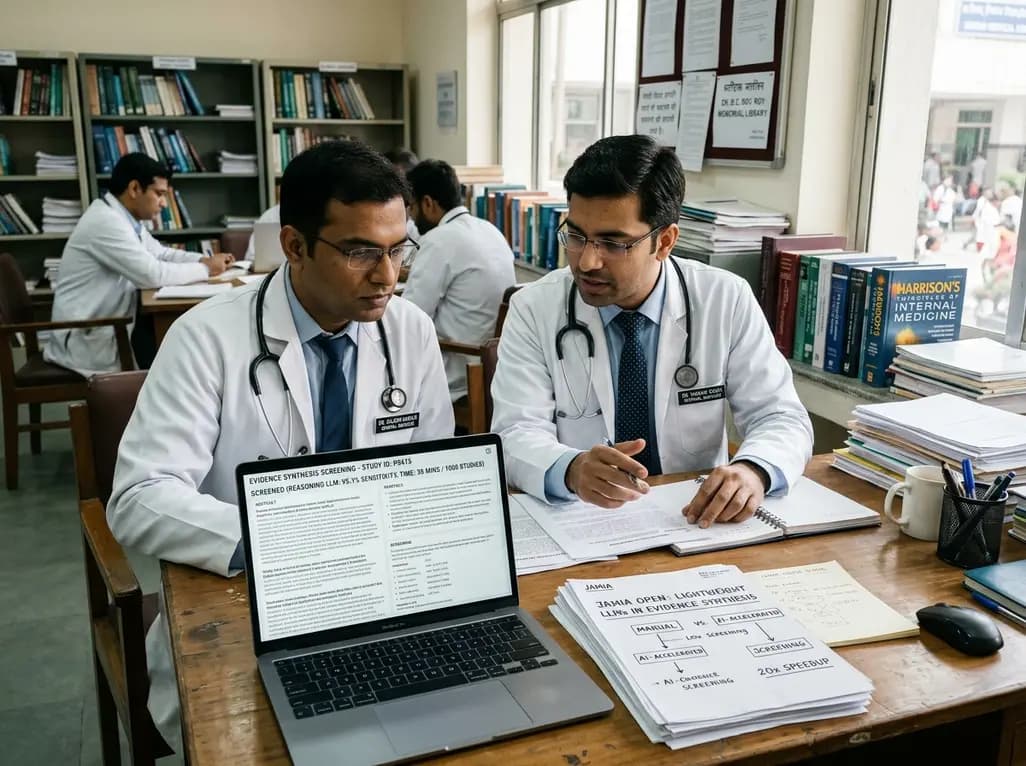
A study in JAMIA Open shows lightweight open-source reasoning LLMs achieve up to 95% sensitivity and accelerate evidence synthesis screening by nearly twentyfold, presenting a cost-effective, scalable AI solution for biomedical research and systematic reviews.
Today
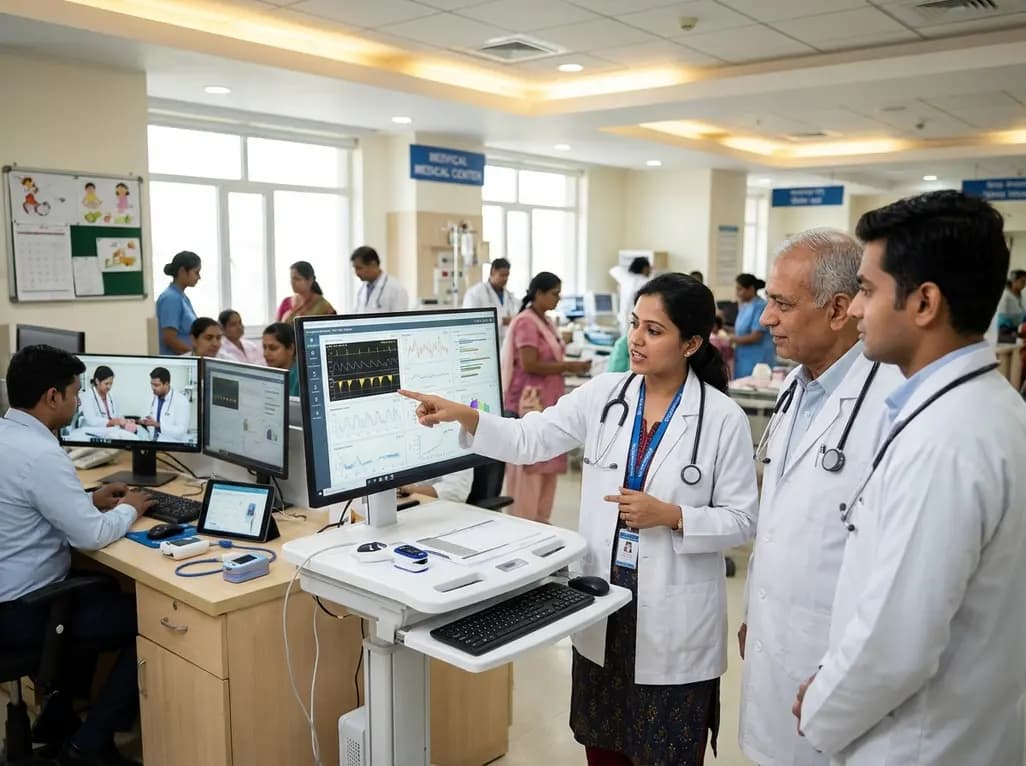
A landmark study details how an enterprise pediatric remote patient management model expanded from a single cardiology pilot to 16 diverse specialty programs by combining centralized digital operations with specialty clinical leadership.
Today
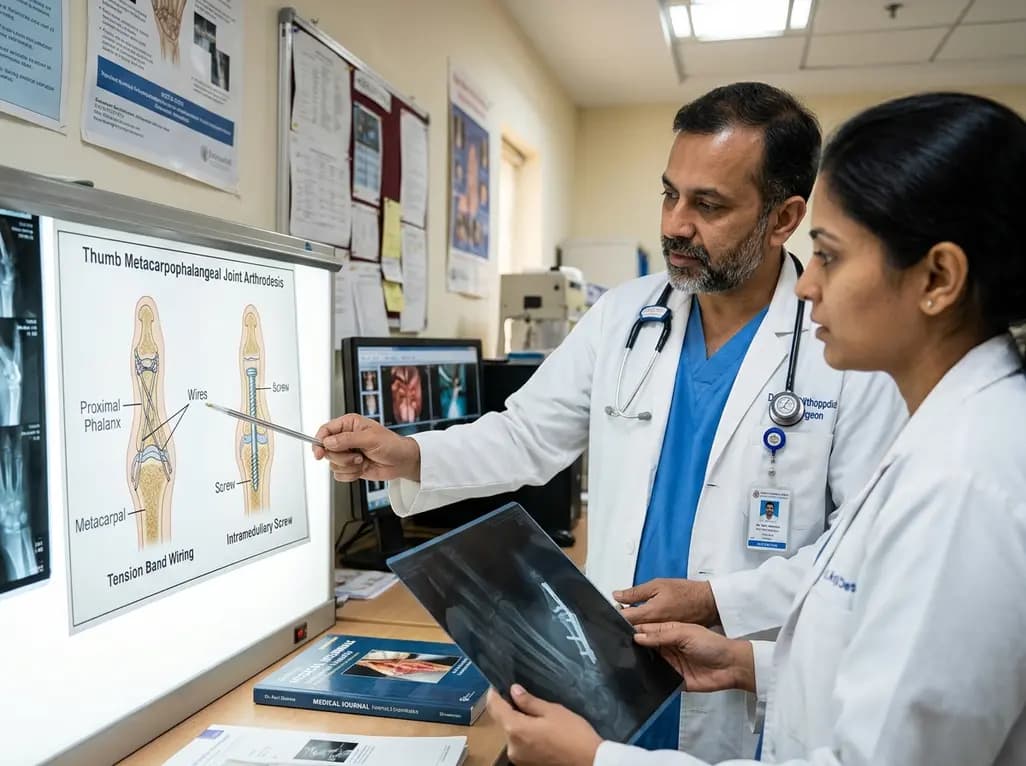
A comparative review of tension band wiring and intramedullary screw fixation in thumb metacarpophalangeal arthrodesis, evaluating union rates, hardware complications, and clinical outcomes.
Yesterday
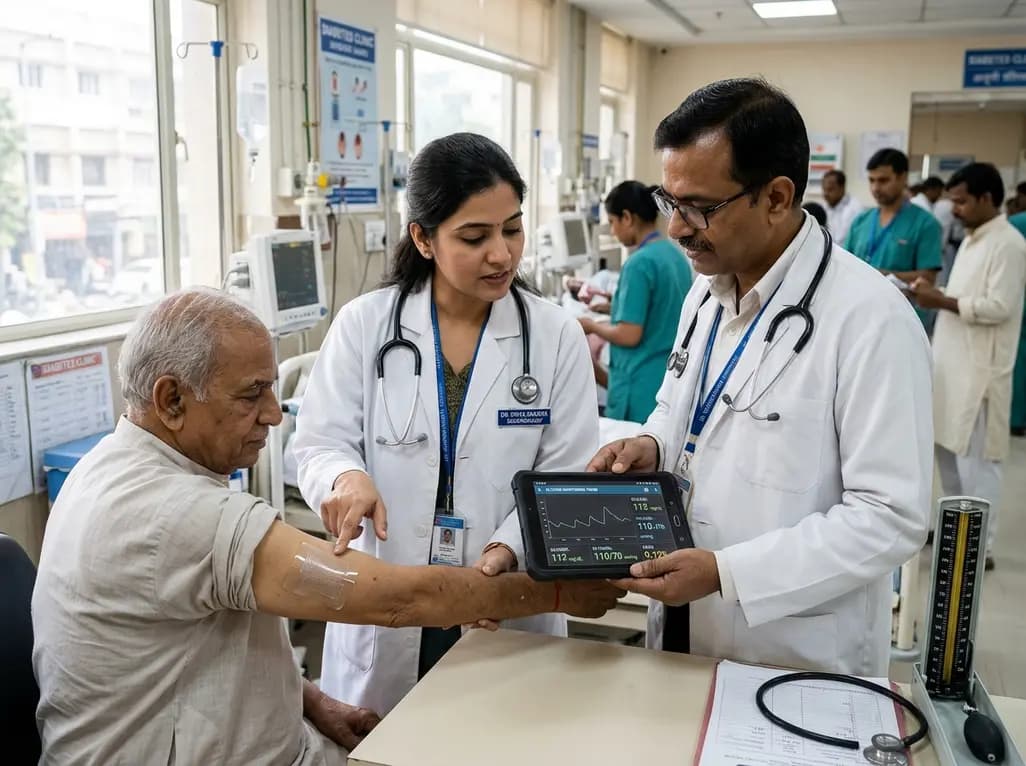
A breakthrough ultrathin multimodal sensor decouples physical hemodynamic monitoring from disposable electrochemical calibration, achieving long-term wearable glucose prediction with 81.36% accuracy and a 9.12% MARD. This offers a robust, drift-free solution for outpatient metabolic surveillance.
Yesterday
