.webp&w=384&q=75)

Loading, please wait...
Loading, please wait...
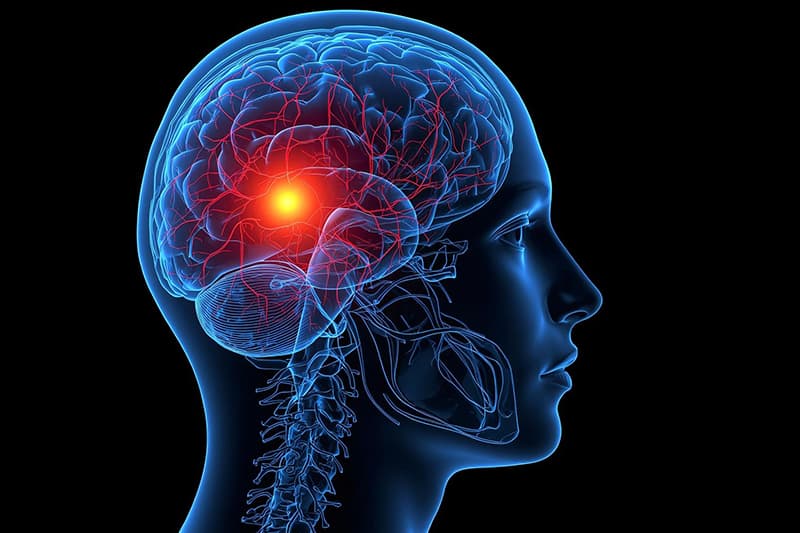
Identifying emotional states is a fundamental component of cognitive health. Specifically, affect labeling emotion regulation acts as a powerful implicit strategy for managing reactions to negative events. By simply putting feelings into words, individuals can often dampen the intensity of distressing experiences. A recent study published in Brain and Behavior explored how this technique influences memory formation and subsequent neural reactivity during retrieval.
Researchers conducted a behavioral and fMRI study involving 37 participants to investigate the impact of labeling on memory. During the encoding phase, participants viewed negative and neutral pictures. They either labeled the emotional content, identified person-related features, or simply viewed the images. Interestingly, the researchers found that affect labeling during the encoding phase actually elicited higher amygdala activation initially for negative pictures. However, the long-term results told a different story regarding memory retrieval and emotional processing.
The behavioral results demonstrated that using affect labeling significantly increased recognition performance across all picture types. Furthermore, the fMRI data revealed a crucial shift during the recognition phase. Negative pictures that were previously labeled showed a marked reduction in amygdalar responses. This reduction made the neural reaction to negative stimuli comparable to that of neutral pictures. Consequently, the act of labeling seems to modulate how the brain stores and later retrieves emotional information.
These findings provide a neurobiological basis for why verbalizing emotions is effective in therapeutic settings. Therefore, psychiatrists and neurologists may find these results useful when explaining the benefits of expressive therapies to patients. Moreover, the study suggests that the initial effort of identifying an emotion can lead to long-term reductions in limbic reactivity. This mechanism likely supports the efficacy of cognitive-behavioral techniques that emphasize emotional awareness and naming.
Affect labeling is the process of identifying and naming the emotional content of an experience or stimulus. It is considered an implicit form of emotion regulation that helps reduce the physiological and neural impact of negative events.
While labeling may increase amygdala activity during the initial exposure, it significantly reduces the amygdala's response when the same negative stimulus is encountered later. This suggests that the brain processes the emotion more effectively, leading to a calmer retrieval stage.
Yes, research shows that affect labeling during the encoding of pictures enhances subsequent recognition performance. This suggests that the process strengthens the memory trace while simultaneously regulating the emotional response associated with it.
Disclaimer: This content is for informational and educational purposes only. It does not constitute medical advice or a professional relationship. Refer to the latest local and national guidelines for clinical practice.
References
Lin H et al. Affect Labeling During Pictorial Encoding Enhances Their Recognition and Reduces Amygdalar Responses to Negative Pictures. Brain Behav. 2026 Mar undefined. doi: 10.1002/brb3.71297. PMID: 41764048.
Torre JB, Lieberman MD. Putting Feelings Into Words: Affect Labeling as Implicit Emotion Regulation. Emotion Review. 2018;10(2):116-124.
Lieberman MD et al. Putting feelings into words: affect labeling disrupts amygdala activity in response to affective stimuli. Psychol Sci. 2007;18(5):421-428.
"
Read summarized clinical updates, watch expert medical content, and earn CME certifications right from your smartphone.
Open your smartphone camera to scan and install.





A recent fMRI study explores how affect labeling—putting feelings into words—influences memory formation and reduces neural reactivity to negative stimuli....
7 months ago

Review how tailored exercise programs benefit frail older patients with heart failure. Explore pathophysiological mechanisms, individualized training prescriptions, and strategies to overcome adherence barriers in clinical practice.
Today

Leucine Rich Bio has introduced South Asia's first comprehensive vaginal microbiome test, BugSpeaks. By profiling microbial dysbiosis, pathogens, and antimicrobial resistance, this next-generation diagnostic platform provides clinicians with deeper insights into recurrent infections, fertility, and reproductive health.
Today

In high-risk pulmonary embolism complicated by severe anemia and active uterine bleeding, systemic thrombolysis is contraindicated. Large-bore aspiration thrombectomy provides rapid hemodynamic rescue without fibrinolysis, supported by inferior vena cava filter placement and multidisciplinary critical care.
Today

This comparative study evaluates posterior labral tears with and without glenohumeral instability, highlighting distinct demographic patterns, MRI underestimation in stable shoulders, and successful arthroscopic repair outcomes.
Today

A clinical study demonstrates that early intervention with tocilizumab, either as monotherapy or bridged with corticosteroids, achieves significant proptosis reduction and resolves active inflammation in treatment-naive thyroid eye disease.
Today
