.webp&w=384&q=75)

Loading, please wait...
Loading, please wait...

Griscelli Syndrome Type 2 (GS2) typically emerges as a devastating pediatric condition. However, a recent case report involving a 46-year-old male demonstrates the possibility of Adult-onset Griscelli Syndrome Type 2. This rare autosomal recessive disorder stems from mutations in the RAB27A gene. While children usually face fatal outcomes without treatment within their first decade, this adult case challenges existing clinical paradigms. Specifically, the patient presented with primary neurological deficits rather than the classical early-childhood immunodeficiency and hypopigmentation triad.
The patient exhibited significant neurological deterioration, including cerebellar dysarthria, ataxia, and nystagmus. Additionally, clinicians observed muscle hypotonia in the lower limbs. These symptoms often mimic more common adult neurodegenerative diseases. Consequently, a high index of suspicion is necessary to identify rare genetic triggers. Notably, while cutaneous hypopigmentation remains a hallmark of GS2, the neurological symptoms dominated the clinical picture in this late-onset scenario.
Diagnostic investigations utilized next-generation sequencing (NGS) to pinpoint the genetic cause. Testing revealed two distinct variants in the RAB27A gene. These included the likely pathogenic c.550C>T [p.(Arg184*)] mutation and the c.213G>T [p.(Gln71His)] variant. Initially, researchers classified the latter as a variant of uncertain significance. However, segregation analysis confirmed the trans configuration of these variants. Therefore, based on clinical evidence and melanosome transport defects, experts reclassified p.Gln71His as likely pathogenic according to ACMG criteria.
Beyond neurological signs, the patient showed laboratory markers consistent with hemophagocytic lymphohistiocytosis (HLH). These markers included elevated serum ferritin, hypertriglyceridemia, and cytopenia. Furthermore, a brain tissue biopsy confirmed hemophagocytosis. This finding cemented the diagnosis of GS2. Clinical evaluation also highlighted irregular hair pigmentation, which occurs due to defective melanosome transport. Consequently, early diagnosis remains vital for effective clinical intervention and management of potential HLH crises in adults.
Typically, Griscelli Syndrome Type 2 presents in infancy or early childhood. Adult-onset cases are extremely rare and may present with atypical or primarily neurological symptoms.
The RAB27A gene regulates the transport of melanosomes in skin and hair cells, as well as the exocytosis of lytic granules in immune cells. Mutations lead to pigmentary changes and severe immunodeficiency or HLH.
Yes, because it is rare in adults, it may be misdiagnosed as other forms of ataxia or neurological disorders. Genetic testing and looking for systemic markers like high ferritin are crucial for an accurate diagnosis.
Disclaimer: This content is for informational and educational purposes only. It does not constitute medical advice or establish a doctor-patient relationship. Refer to the latest local and national guidelines for clinical practice.
References
Papingi D et al. Atypical Clinical Course of Griscelli Syndrome Type 2 With Primarily Neurologic Presentation and Adult-Onset in a 46-Year-Old Male. Am J Med Genet A. 2026 Mar 18. doi: 10.1002/ajmg.a.70140. PMID: 41851022.
Griscelli C, et al. A syndrome associating partial albinism and immunodeficiency. Am J Med. 1978;65(4):691-702.
Menasche G, et al. Mutation of RAB27A causes Griscelli syndrome associated with hemophagocytic syndrome. Nat Genet. 2000;25(2):173-176.
"
Read summarized clinical updates, watch expert medical content, and earn CME certifications right from your smartphone.
Open your smartphone camera to scan and install.





A rare case of adult-onset Griscelli Syndrome Type 2 (GS2) highlights atypical neurological presentations and the importance of genetic testing in adults....
7 months ago

Explore vital recurrent stroke predictors in lacunar stroke patients managed with intensive blood pressure lowering. This analysis examines trial findings from SPS3 to uncover residual vascular risks, metabolic factors, and targeted secondary prevention strategies for high-risk neurological patients.
Today
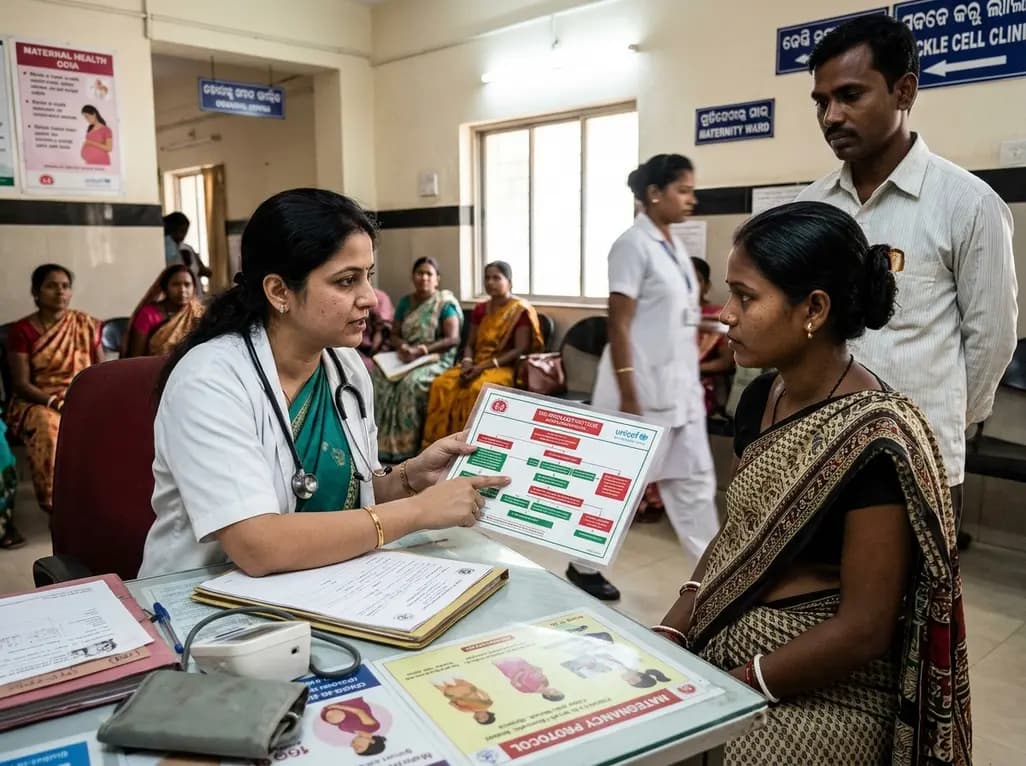
Odisha has established India's first state-level clinical protocol specifically tailored for pregnant women with sickle cell disease. Developed with NHM and UNICEF, the framework provides structured antenatal screening, crisis mitigation, standardized referral pathways, and specialized interdisciplinary care.
Today

India is advancing preventive healthcare by integrating genomics, artificial intelligence, and quantum technologies. With the SANGAM programme sequencing one million Indian genomes, clinicians can unlock personalized therapies, detect cardiometabolic risks early, and curb the burden of diabetes and heart disease.
Today
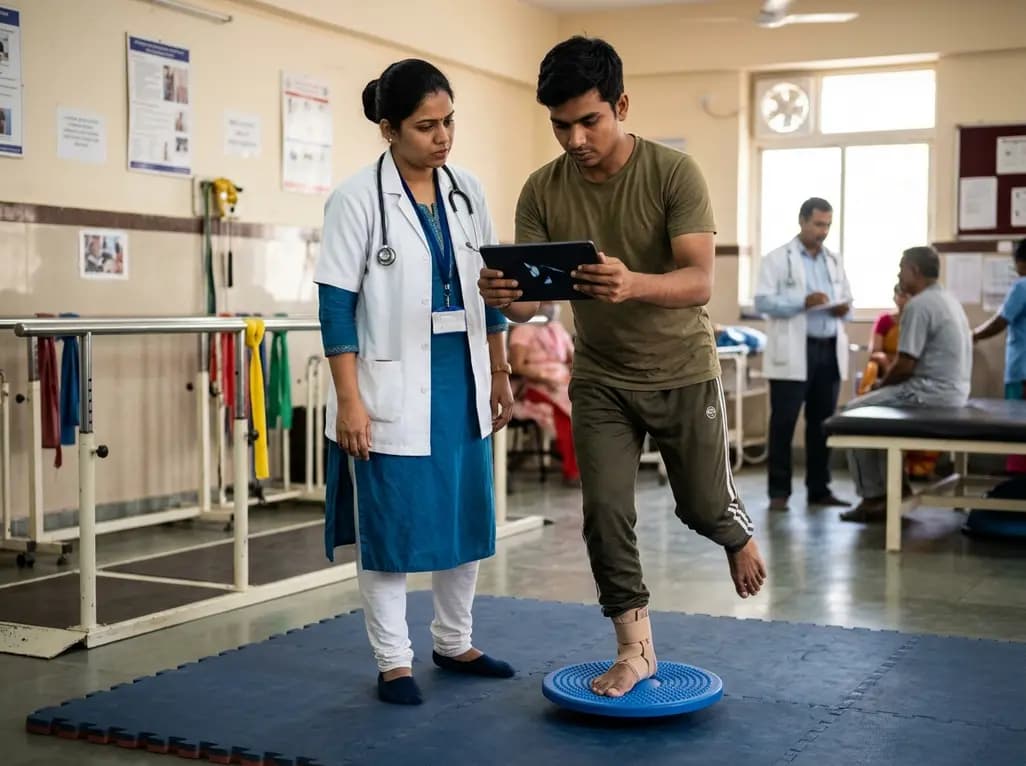
A randomized controlled trial demonstrates that an eight-week dual-task training intervention significantly improves static and dynamic postural control over standard balance exercises in individuals with chronic ankle instability, addressing critical neurocognitive deficits during athletic and daily activities.
Today

A retrospective cohort study of 7,716 ICU patients from the MIMIC-IV database demonstrates that Gradient Boosting Decision Trees significantly outperform traditional SOFA scores in predicting in-hospital mortality among patients with sepsis and diabetes, with SHAP analysis providing clinical interpretability.
Today
