.webp&w=384&q=75)

Loading, please wait...
Loading, please wait...

Acute graft-versus-host disease (aGVHD) after liver transplantation remains a rare but devastating complication. While most cases emerge three to six weeks after surgery, clinicians must maintain high suspicion for earlier presentations. In a recent case report, a 48-year-old woman developed symptoms on postoperative day 16. This represents one of the earliest recorded biopsy-confirmed cases. Identifying an acute GVHD liver transplant early is vital because the mortality rate often exceeds 70%.
The patient, who had end-stage liver disease due to primary biliary cholangitis, initially presented with abrupt-onset anemia without visible bleeding. This was followed by a high-grade fever, profuse diarrhea, and pancytopenia. Consequently, these non-specific symptoms often mimic infections or drug reactions. Such overlapping presentations frequently delay life-saving interventions and definitive care.
Histopathological confirmation serves as the gold standard for diagnosis. In this specific case, a punch biopsy of the trunk on day 20 confirmed the diagnosis. Early warning signs like isolated anemia may precede the classic triad of rash, fever, and diarrhea. Therefore, prompt skin biopsies are essential for patients showing unexplained hematological shifts or cutaneous eruptions after transplant.
Unfortunately, treatment options for steroid-refractory cases remain limited. Although the clinical team administered high-dose corticosteroids and enhanced immunosuppression, the patient showed no improvement. She eventually succumbed to multiorgan failure. This tragic outcome underscores the urgent need for therapeutic advances in managing this refractory condition.
Initial signs often include a skin rash, high-grade fever, and profuse diarrhea. However, clinicians should also monitor for earlier, subtle signs like isolated anemia or sudden pancytopenia.
The mortality rate exceeds 70% primarily due to severe opportunistic infections, multiorgan failure, and the fact that many cases do not respond to standard steroid treatments.
Diagnosis is usually confirmed through a skin biopsy. This procedure shows characteristic histopathological changes even before systemic symptoms fully manifest.
Disclaimer: This content is for informational and educational purposes only. It does not constitute medical advice or a professional relationship. Always consult a qualified healthcare provider for diagnosis and treatment. Refer to the latest local and national guidelines for clinical practice.
References
1. Kim MJ et al. Acute Graft-Versus-Host Disease After Deceased-Donor Liver Transplantation: A Case Report. Am J Case Rep. 2026 Feb 08. doi: 10.12659/AJCR.951031. PMID: 41655010.
2. Price T et al. Acute Graft-vs-host Disease Following Liver Transplantation. The Hospitalist. 2019.
3. AASLD. Pathology Pearls: Graft-Versus-Host Disease (GVHD). 2022.

Read summarized clinical updates, watch expert medical content, and earn CME certifications right from your smartphone.
Open your smartphone camera to scan and install.





A case report highlighting early signs of acute GVHD post-liver transplant, the role of skin biopsy, and the challenges of steroid-refractory cases....
8 months ago
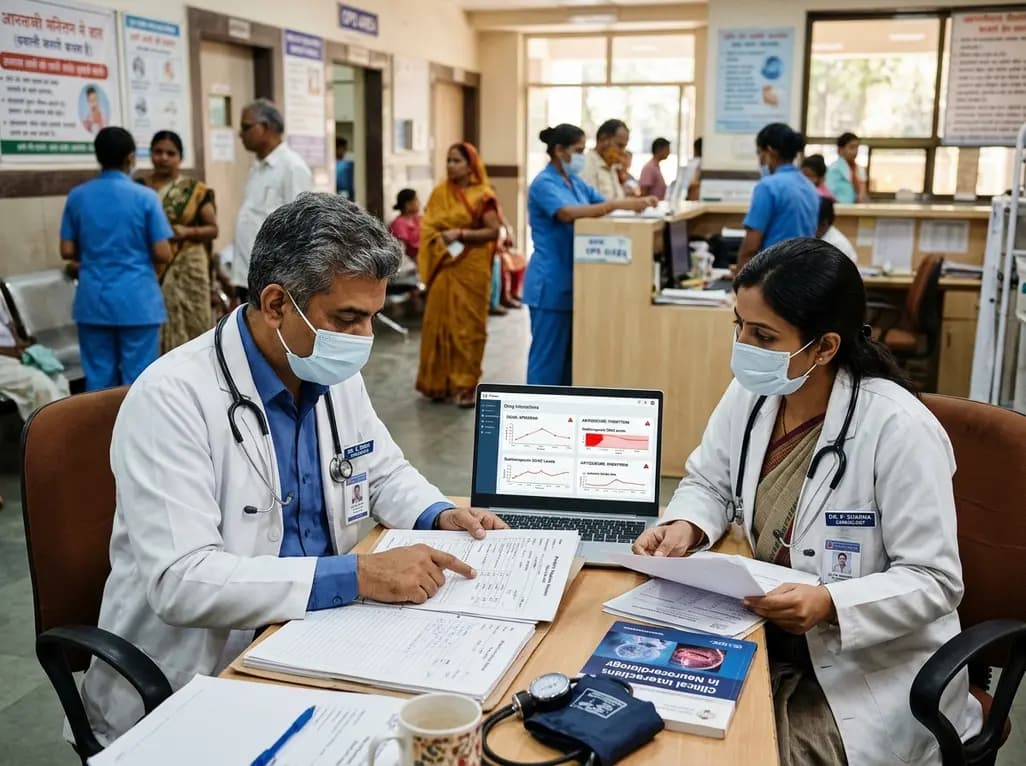
Co-administering antiseizure medications and DOACs frequently causes pharmacokinetic interactions, subtherapeutic drug levels, and thromboembolic failures. This review highlights enzyme induction risks, unpredictable outcomes with levetiracetam, and the vital role of therapeutic drug monitoring.
Today
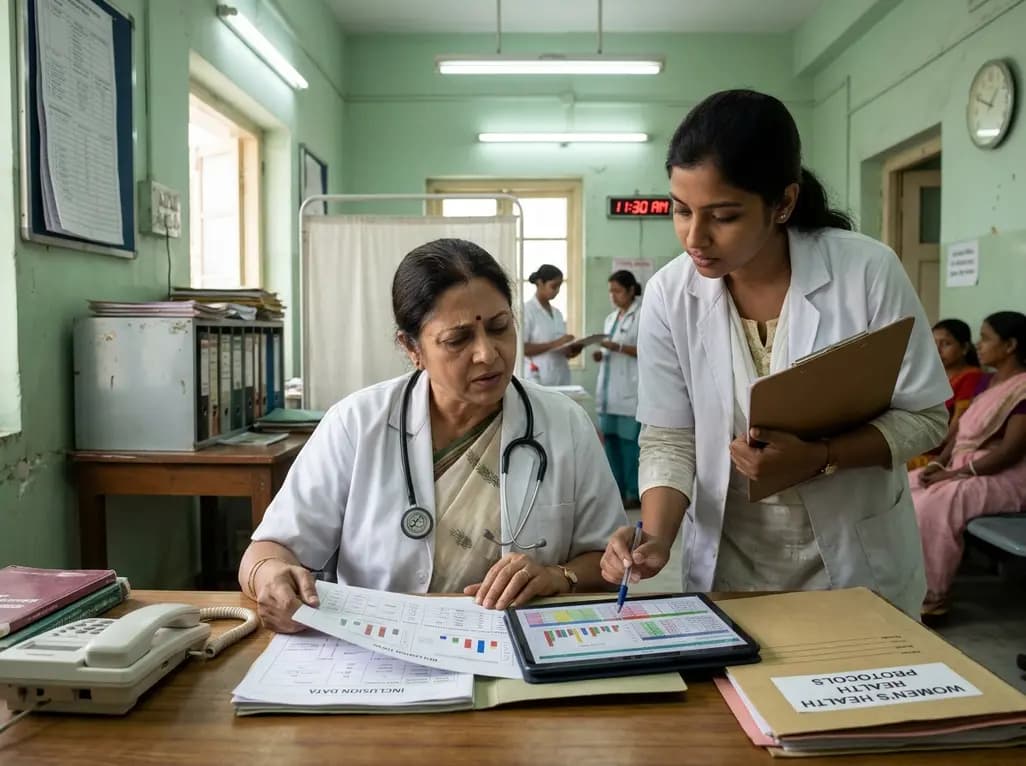
Demanding exhaustive hormonal profiling can inadvertently discourage clinical studies involving females. Methodological standards must align with the specific scientific question to expand, not restrict, equitable evidence for women.
Today
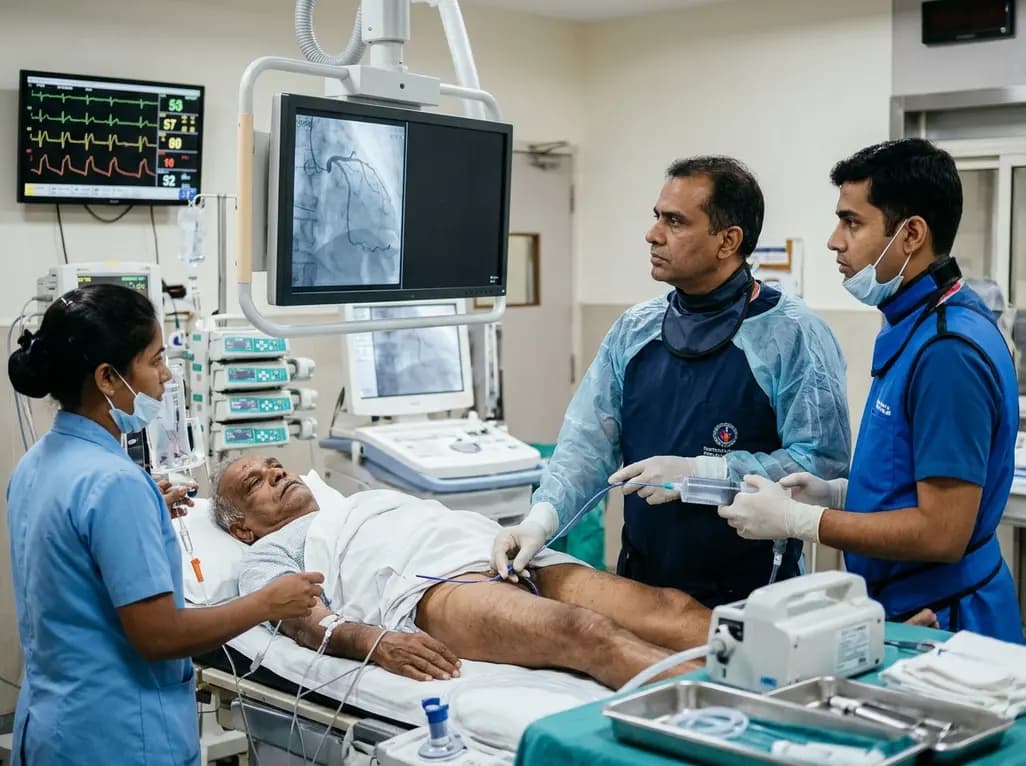
An elderly man with partially repaired Tetralogy of Fallot presented with STEMI caused by coronary embolism rather than atherosclerosis. Successful treatment with sustained mechanical aspiration thrombectomy underscores the vital need for high clinical vigilance in adult congenital heart disease.
Today
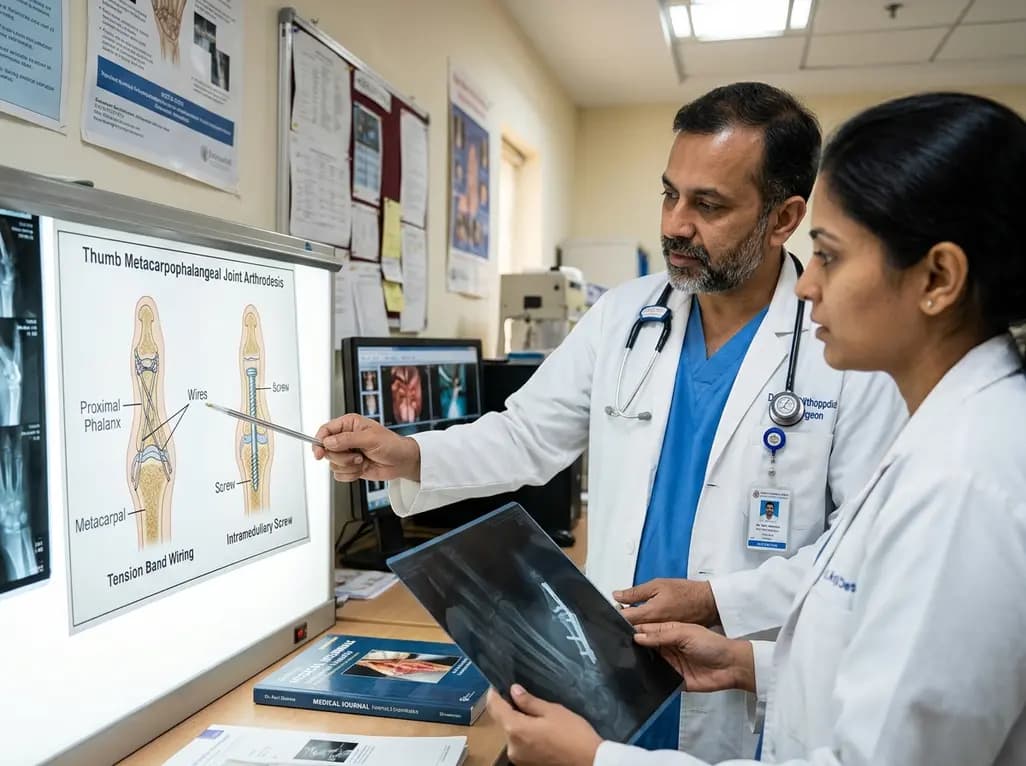
A comparative review of tension band wiring and intramedullary screw fixation in thumb metacarpophalangeal arthrodesis, evaluating union rates, hardware complications, and clinical outcomes.
Today

Following regulatory scrutiny from FSSAI regarding promotional representations and lean muscle preservation claims, Dr. Reddy's Laboratories and Nestlé Health Science are currently reviewing the branding and marketing strategy for their joint nutritional supplement Celevida GLP+.
Today
