.webp&w=384&q=75)

Loading, please wait...
Loading, please wait...
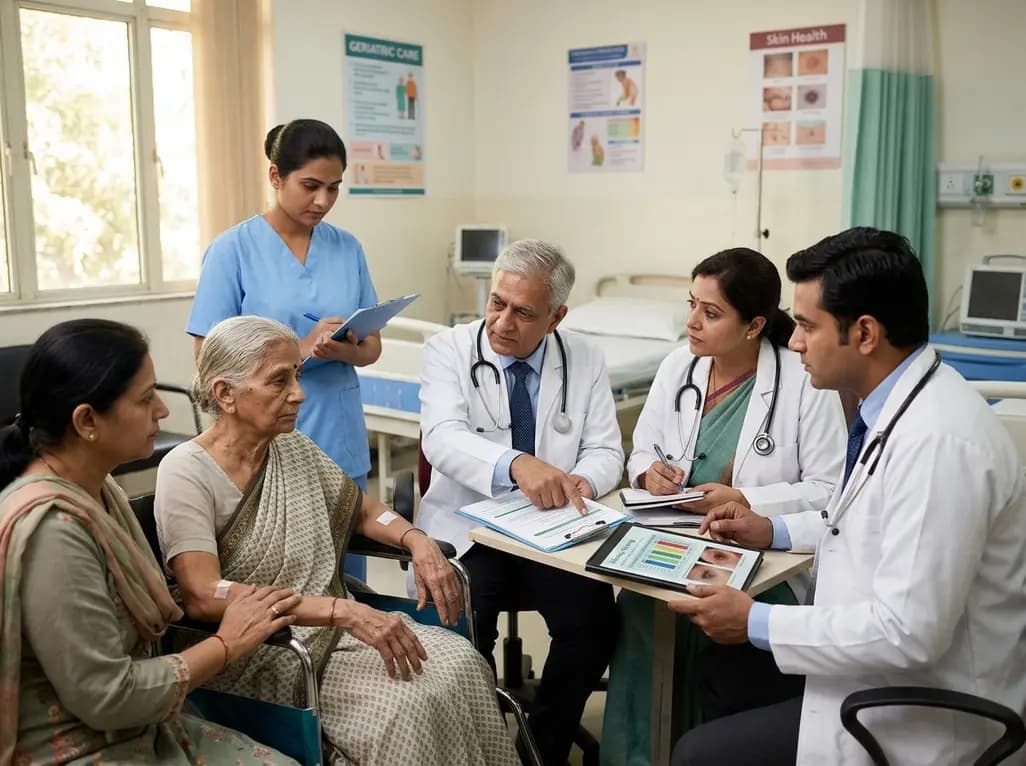
Skin cancer incidence continues to climb across aging populations globally, presenting complex treatment dilemmas for dermatologists, oncologists, and surgical specialists. Older adults frequently live with accumulated physiological deficits, varying functional reserves, and multiple chronic conditions. Unfortunately, standard oncology guidelines often prioritize tumor eradication through aggressive surgical resection, sentinel lymph node biopsy, or intensive systemic therapy without considering physiological age. To optimize individualized patient outcomes, clinicians are now adopting frailty scoring skin cancer strategies during clinical decision-making. Multi-disciplinary teams can balance oncological staging against physiological vulnerability, which avoids unnecessary surgical harm and preserves quality of life.
Clinicians must clearly distinguish between multimorbidity and frailty when evaluating older adults with cutaneous malignancies. Multimorbidity represents the simple coexistence of two or more diagnosed medical conditions. Conversely, frailty represents a distinct biological syndrome marked by decreased physiological reserve, impaired homeostatic resilience, and elevated vulnerability to minor stressors. While comorbidity indices quantify chronic disease diagnoses, they frequently fail to capture an individual patient's real functional capacity.
Consequently, relying solely on comorbidity tallies can mislead clinical management. For instance, a patient with well-controlled hypertension and diabetes might possess excellent physical fitness and robust functional independence. Another individual without significant chronic disease diagnoses might suffer from severe sarcopenia, cognitive decline, and restricted mobility. Systematically assessing biological frailty illuminates these hidden vulnerabilities. Therefore, specialized evaluation helps multi-disciplinary teams identify patients who tolerate complex interventions versus those at risk of treatment toxicity. Understanding this distinction empowers teams to personalize treatment pathways, optimize supportive care, and avoid adverse procedural events.
A comprehensive review of the clinical literature identified twelve distinct assessment tools across fifteen published studies evaluating older adults with skin cancer. These assessment methods separate broadly into comorbidity indexes and dedicated frailty screening instruments. Among these tools, the Geriatric-8 (G8), Charlson Comorbidity Index (CCI), and Adult Comorbidity Evaluation-27 (ACE-27) demonstrate superior efficacy in identifying and stratifying patient risk.
The Geriatric-8 screening questionnaire evaluates eight vital health domains, including nutritional status, mobility, neuropsychological health, medication count, and self-perceived wellness. As a result, the G8 tool accurately flags elderly cancer patients who urgently require comprehensive geriatric assessment. Meanwhile, the CCI and ACE-27 provide structured scoring systems for pre-existing medical conditions, predicting long-term survival and postoperative mortality. Although comorbidity tools capture vital systemic disease burdens, they do not assess dynamic physical reserve. Nevertheless, combining the G8 questionnaire with targeted comorbidity metrics yields valuable predictive insight for patients facing aggressive skin cancer interventions.
Despite the proven utility of geriatric metrics, standard multi-disciplinary teams rarely incorporate objective frailty evaluations into routine cutaneous oncology discussions. Traditional tumor boards predominantly focus on histological margins, depth of invasion, nodal status, and radiologic staging. However, neglecting biological reserve leads directly to therapeutic misalignments, unexpected hospitalizations, and elevated postoperative complications.
Integrating frailty scoring skin cancer measures into standard referral pathways bridges this critical gap. Leading professional organizations, including the British Geriatric Society and the British Association of Dermatology, strongly recommend the Rockwood Clinical Frailty Scale (CFS) for clinical practice. The CFS assigns a numerical score from one to nine based on clinical judgment and functional dependency. Because clinicians can complete the CFS in less than two minutes, healthcare teams can seamlessly embed it into urgent cancer pathways. When multi-disciplinary teams review frailty scores alongside tumor pathology, they establish more realistic, compassionate, and patient-centered management plans.
Standard oncological guidelines often advocate for aggressive surgical clearance, extensive flap reconstructions, or systemic immunotherapy for advanced melanomas and keratinocyte carcinomas. Nevertheless, aggressive treatments carry profound risks for frail individuals with limited life expectancy. Radical surgical procedures can precipitate delirium, chronic wound breakdown, severe infection, and permanent loss of functional independence.
Furthermore, slow-growing cutaneous lesions such as low-risk basal cell carcinomas or localized squamous cell carcinomas may not cause symptomatic harm during a frail patient's natural lifespan. Under such circumstances, non-surgical approaches, including superficial radiotherapy, curettage, topical agents, or watchful observation, offer outstanding symptomatic control without procedural morbidity. Clinicians must actively align therapeutic intensity with overall life expectancy, personal functional goals, and systemic reserve. Therefore, routine frailty stratification protects vulnerable individuals from futile interventions while preserving restorative options for fit elderly patients who safely tolerate gold-standard surgical resections.
Current literature supporting frailty assessment in dermato-oncology demonstrates promising benefits, but existing studies have notable methodological limitations. Many published evaluations rely on small cohort sizes, retrospective reviews, single-center designs, and overlapping clinical populations. Moreover, clinical thresholds for modifying skin cancer therapy based on specific frailty cut-offs require prospective validation across diverse international healthcare systems.
However, these evidentiary limitations should not discourage multi-disciplinary teams from adopting pragmatic frailty assessments today. Healthcare systems globally, including low- and middle-income countries, face an unprecedented surge in geriatric cancer presentations. Clinicians must cultivate holistic shared decision-making models that involve the patient, family caregivers, oncologists, dermatologists, and geriatricians. By combining validated tools like the Clinical Frailty Scale with sound clinical judgement, medical teams can anticipate perioperative risks, implement prehabilitation, and tailor therapeutic intensity. Ultimately, embedding structured frailty metrics transforms cutaneous oncology from disease-centered surgery to compassionate, individualized patient care.
Comorbidity scoring tallies diagnosed chronic medical diseases, such as coronary artery disease, chronic kidney dysfunction, or diabetes mellitus. In contrast, frailty assessment evaluates an individual's overall physiological reserve, functional resilience, and vulnerability to acute biological stressors. A patient with several well-controlled comorbidities may maintain excellent physical vitality. Conversely, another patient might experience profound frailty, marked sarcopenia, and functional dependence without extensive diagnostic records. Frailty tools identify dynamic biological reserves that comorbidity indices overlook.
The Rockwood Clinical Frailty Scale is widely preferred because it provides a rapid, validated, and intuitive assessment of functional independence. Clinicians determine a score from one to nine by evaluating baseline mobility, cognitive status, and daily activity performance over the preceding weeks. Because the assessment takes under two minutes to administer without burdensome patient questionnaires, busy surgical clinics and multidisciplinary cancer teams can easily integrate it into everyday oncological triage workflows.
Frailty scoring identifies vulnerable patients with shortened life expectancy who face elevated risks of perioperative morbidity, prolonged wound healing, and delirium. When multi-disciplinary teams recognize moderate or severe frailty, they can avoid unnecessarily radical surgery or toxic systemic therapies for slow-growing skin cancers. Instead, clinicians can safely recommend organ-preserving, less invasive modalities such as topical therapy, destructive curettage, radiotherapy, or watchful monitoring that safeguard quality of life and dignity.
Disclaimer: This content is for informational and educational purposes only... Refer to the latest local and national guidelines for clinical practice.
References

Read summarized clinical updates, watch expert medical content, and earn CME certifications right from your smartphone.
Open your smartphone camera to scan and install.





Frailty assessment enhances skin cancer management in older adults. Multi-disciplinary teams using validated tools like the Clinical Frailty Scale, Geriatric-8, and comorbidity indices can balance tumor biology against functional reserve, preventing overtreatment and optimizing individual patient care.
5 days back

A novel multidimensional framework defines hidradenitis suppurativa disease progression across objective severity, anatomical spread, and cumulative burden. Clinicians can identify high-risk phenotypes, utilize ultrasound for subclinical tunnel detection, and intervene within an early window of opportunity.
Today
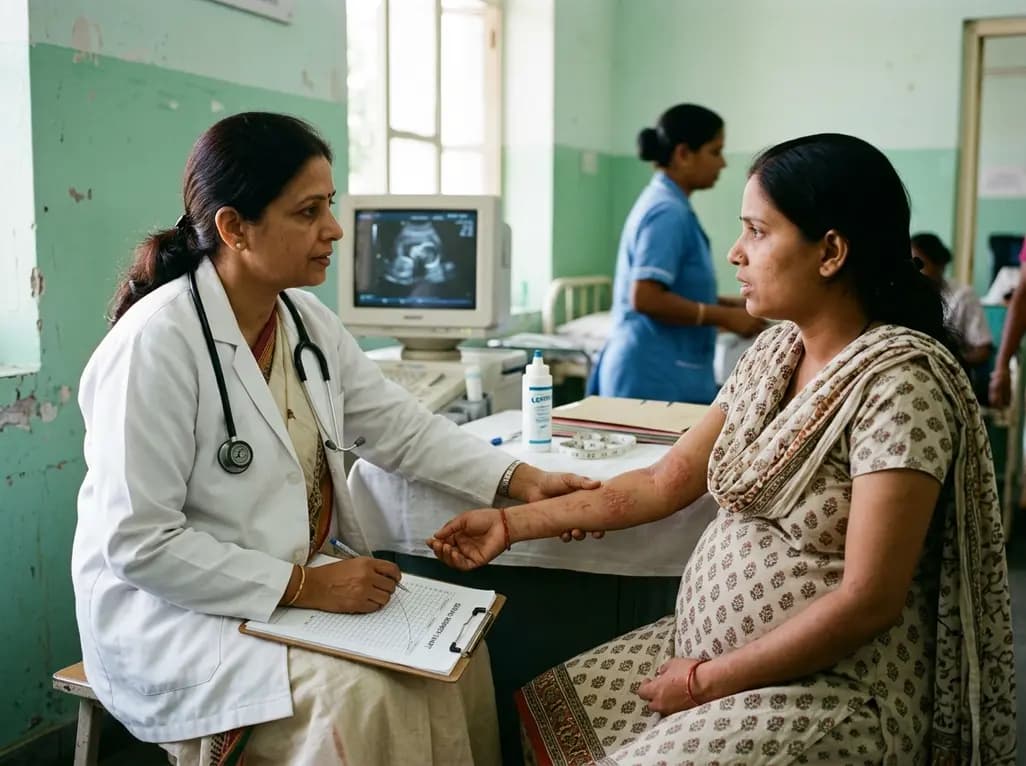
A comprehensive meta-analysis of over 278,000 women demonstrates that maternal atopic dermatitis significantly increases risks of premature rupture of membranes and low birth weight. Discover essential clinical insights on disease mechanisms, serial antenatal growth monitoring, and safe therapeutic interventions.
Today

Over 60 international public health researchers have advised FSSAI to mandate front-of-pack warning labels for any packaged product high in even one critical nutrient: sugar, saturated fat, or sodium. This reform counters phased rollouts to accelerate consumer protection and address India's chronic disease burden.
Today

Apollo Global Management is in talks to acquire Johnson & Johnson's DePuy Synthes orthopedics unit in a potential $20 billion transaction. This comprehensive analysis reviews the MedTech restructuring, product lines in joint reconstruction, ongoing legal issues, and key implications for global orthopedic surgery.
Today
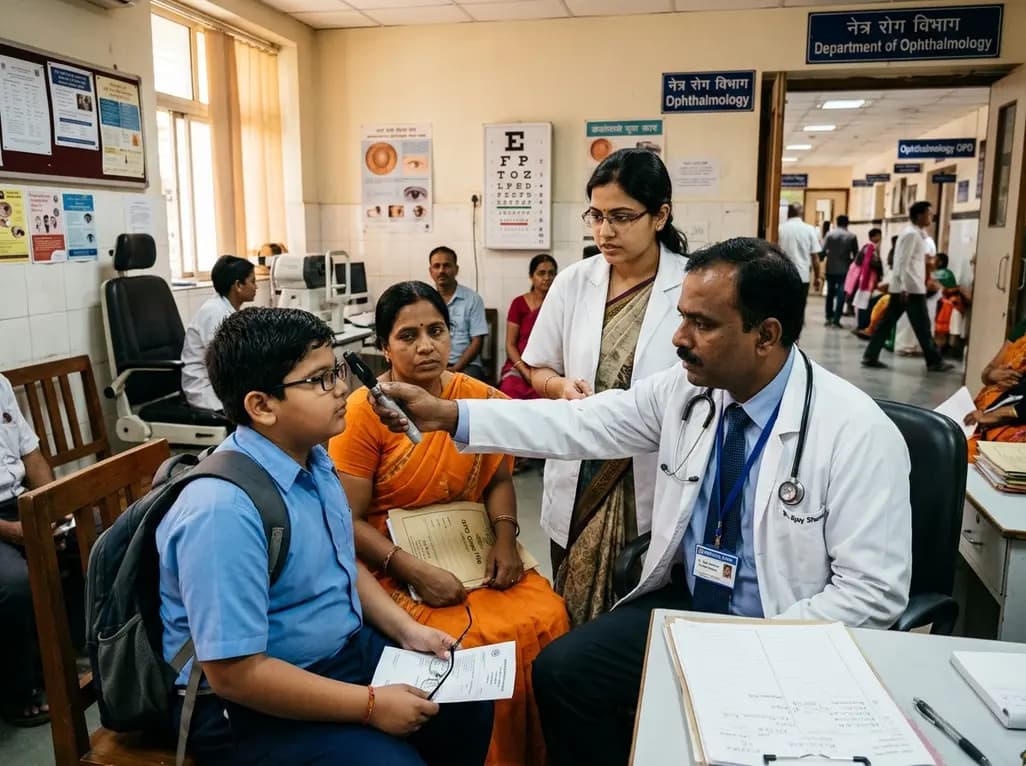
A cross-sectional study reveals that elevated METS-IR is independently associated with higher myopia odds in adolescents, showing biological synergy with obesity and highlighting the need for metabolic screening in pediatric eye care.
Yesterday
