.webp&w=384&q=75)

Loading, please wait...
Loading, please wait...

India faces a massive and rapidly growing healthcare challenge with its rising diabetes burden. Currently, millions of individuals navigate the daily struggles of maintaining optimal glycaemic control. To address this crisis, researchers at the Indian Institute of Science (IISc) in Bengaluru are creating cutting-edge indigenous technologies. These innovations aim to make advanced endocrinology care more accessible to the public. Consequently, a team of dedicated scientists has developed an innovative, AI-powered ecosystem called SugarSight. This landmark project serves as a crucial foundation for their ultimate milestone, which is the creation of an affordable artificial pancreas tailored for the Indian population. By combining advanced engineering with clinical science, this breakthrough promises to redefine the landscape of diabetes management.
The initial step is SugarSight, an innovative platform that the Foundation for Science Innovation and Development (FSID) at IISc incubated. Prof. Radhakant Padhi and his team developed this deep-tech system to simplify blood glucose monitoring. Specifically, the digital platform continuously analyzes multiple personal variables. These factors include the user’s real-time blood glucose readings, direct meal intake, physical activity levels, and individual insulin sensitivity. Furthermore, the platform employs sophisticated machine learning to provide highly personalized insulin dose recommendations. This customized approach ensures that patients receive precise guidance. Additionally, the software acts as an early warning system. It successfully predicts whether blood sugar levels are likely to rise or fall over the subsequent few hours. Thus, users can actively take preventive action before dangerous episodes of hypoglycaemia or hyperglycaemia occur. Importantly, this tool shifts the clinical paradigm of diabetes care to a proactive, preventative model. Moreover, the system can correct sensor errors that frequently happen with continuous glucose monitors, ensuring highly reliable data for clinical decisions.
Applying aerospace concepts to medical devices represents a fascinating leap. Prof. Radhakant Padhi belongs to the Department of Aerospace Engineering at IISc. Consequently, his background heavily influenced these diabetes technologies. His research team spent nearly a decade perfecting the underlying control algorithms. They adapted predictive modeling and personalized adaptive learning systems directly from advanced flight guidance systems. In modern aerospace science, high-performance vehicles require advanced autopilot control systems that can instantly adapt to changing atmospheric variables. Similarly, a patient's biological system fluctuates constantly due to metabolism, stress, and dietary changes. Therefore, the team designed mathematical models to handle these physiological variations seamlessly. The advanced algorithm acts like an autopilot for the human body, estimating and predicting glucose-insulin dynamics in real time. This control theory approach ensures that the system handles external disturbances safely. Consequently, this adaptation represents a major milestone. Furthermore, the researchers validated these complex mathematical models through extensive simulations and clinical trial datasets to guarantee absolute precision.
The larger goal of the IISc research team is to develop a fully closed-loop artificial pancreas system. This advanced medical setup closely mimics the metabolic function of a healthy biological organ. Specifically, the system consists of three fundamental components that work in continuous harmony. First, an electronic sensor measures subcutaneous glucose levels continuously. Second, a control algorithm functions like the brain by analyzing real-time data. Consequently, the algorithm determines the exact amount of insulin required by the body at any given moment. Third, an advanced insulin pump delivers the precise dose under the skin. Importantly, a person typically requires only about half a millilitre of insulin over an entire 24-hour period. Delivering such microscopic quantities manually remains virtually impossible. Therefore, patients require a specialized pump capable of administering highly accurate, micro-level doses. Even a minor overdose triggers severe hypoglycaemia, whereas an underdose leaves sugar levels dangerously high. Thus, the hardware must operate with absolute mechanical reliability. Indeed, the team's custom-engineered insulin pump aims to deliver these micro-doses safely, minimizing the risks associated with manual injections.
Currently, commercial artificial pancreas systems present a heavy financial burden. These imported devices cost around ₹6 lakh, making them inaccessible to most patients. To solve this clinical disparity, the IISc team aims to develop an indigenous closed-loop system at a target cost of about ₹2 lakh. This significant cost reduction could democratize access to advanced diabetes care across the country. Moreover, local manufacturing of the continuous glucose monitor and the insulin pump will eliminate import duties. Lowering the financial entry barrier is crucial because India has one of the largest diabetic populations globally. Millions of individuals suffer from Type 1 diabetes and severe Type 2 diabetes. These patients require daily, meticulous insulin management to avoid debilitating chronic complications. For instance, uncontrolled glycaemia can eventually lead to irreversible retinopathy, severe neuropathy, and progressive kidney failure. Therefore, providing an affordable alternative is not just a technological triumph but a vital public health necessity. Ultimately, this project could prevent countless emergency hospitalizations, reducing the overall economic strain on the Indian healthcare system.
Moving a medical innovation from a university lab to clinical practice requires rigorous validation. The IISc team has already successfully demonstrated their working prototype. Currently, they are actively redeveloping the system to meet stringent medical device certification standards in India. Furthermore, this ambitious project involves close collaboration with medical experts. In the past, the researchers partnered with clinicians at MS Ramaiah Medical College to gather real-world physiological data. These clinical trials and parameter estimation routines have helped refine the control algorithms for the Indian population. Additionally, they are working alongside academic institutions like Amrita University to optimize the insulin pump hardware. Consequently, the next generation of the prototype will feature enhanced safety mechanisms and seamless smartphone connectivity. This progress brings the dream of an accessible, closed-loop diabetes management tool closer to reality. In the near future, Indian clinicians may have access to a powerful, locally manufactured device that significantly improves patient compliance and clinical outcomes. Thus, the ongoing efforts of this interdisciplinary team continue to pave the way for a revolutionary shift in endocrinology.
Q1: What makes the IISc artificial pancreas system different from existing commercial devices?
The primary difference lies in affordability and localized customization. While commercial systems cost around ₹6 lakh, the IISc team is designing an indigenous system targeted at ₹2 lakh. Furthermore, the control algorithm uses personalized adaptive learning adapted from aerospace engineering. This unique approach allows the system to handle the specific dietary patterns and metabolic variations of the Indian population more effectively.
Q2: How does the SugarSight platform predict changes in blood glucose levels?
The SugarSight digital platform utilizes advanced predictive algorithms to analyze multiple physiological inputs. Specifically, it processes real-time blood glucose readings, meal intake, physical activity, and individual insulin sensitivity. Consequently, the platform can forecast whether a patient's blood sugar levels are likely to rise or fall over the next few hours, helping prevent both hypoglycaemic and hyperglycaemic episodes.
Q3: Why is a precise insulin pump so critical for this closed-loop system?
A typical patient requires only about half a millilitre of insulin over a 24-hour period. Therefore, administering such minute quantities manually is highly impractical. The system relies on a specialized, high-precision pump to deliver accurate micro-doses. Consequently, this prevents accidental overdoses that cause dangerous hypoglycaemia, as well as underdoses that leave blood sugar levels dangerously high.
Disclaimer: This content is for informational and educational purposes only. It does not constitute medical advice or replace professional judgment. Refer to the latest local and national guidelines for clinical practice.
References

Read summarized clinical updates, watch expert medical content, and earn CME certifications right from your smartphone.
Open your smartphone camera to scan and install.





Researchers at IISc are developing an indigenous, low-cost artificial pancreas system and the SugarSight AI platform. This breakthrough aims to bring high-tech, proactive diabetes care to India's millions at a fraction of the cost of imported devices, merging aerospace algorithms with medicine.
5 days back
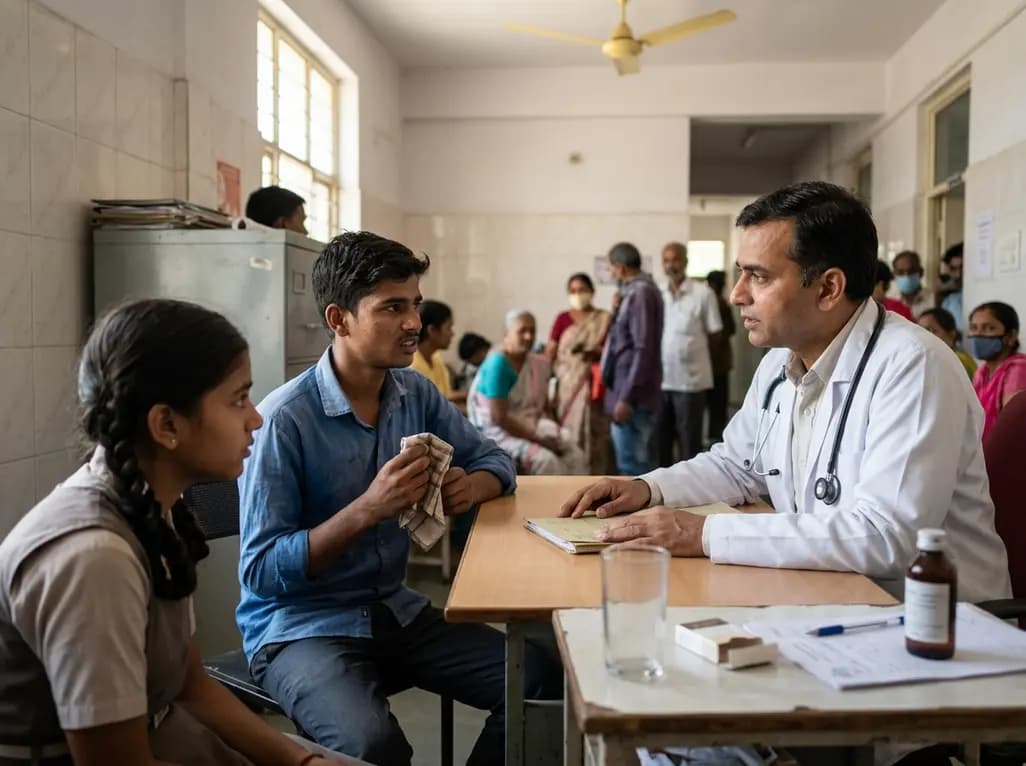
A community survey in Blantyre, Malawi, shows that sex differences in tuberculosis immunoreactivity emerge during early adulthood, peaking at age 21 with 1.58-fold higher conversion risk in males. Tobacco and alcohol use drive community transmission, highlighting the need for targeted active case finding.
Yesterday

An 11-year Swedish registry study of 618 uterine sarcoma patients found that minimally invasive surgery yielded survival comparable to open surgery in early stages. However, adjuvant chemotherapy conferred no survival benefit in localized or advanced disease, highlighting stage and histology as key outcomes.
Yesterday

A cross-sectional study evaluates post-intensive care syndrome in cardiac patients 2-4 weeks post-ICU discharge, highlighting cognitive, psychological, and functional impairments and the need for structured multidisciplinary rehabilitation.
2 days back
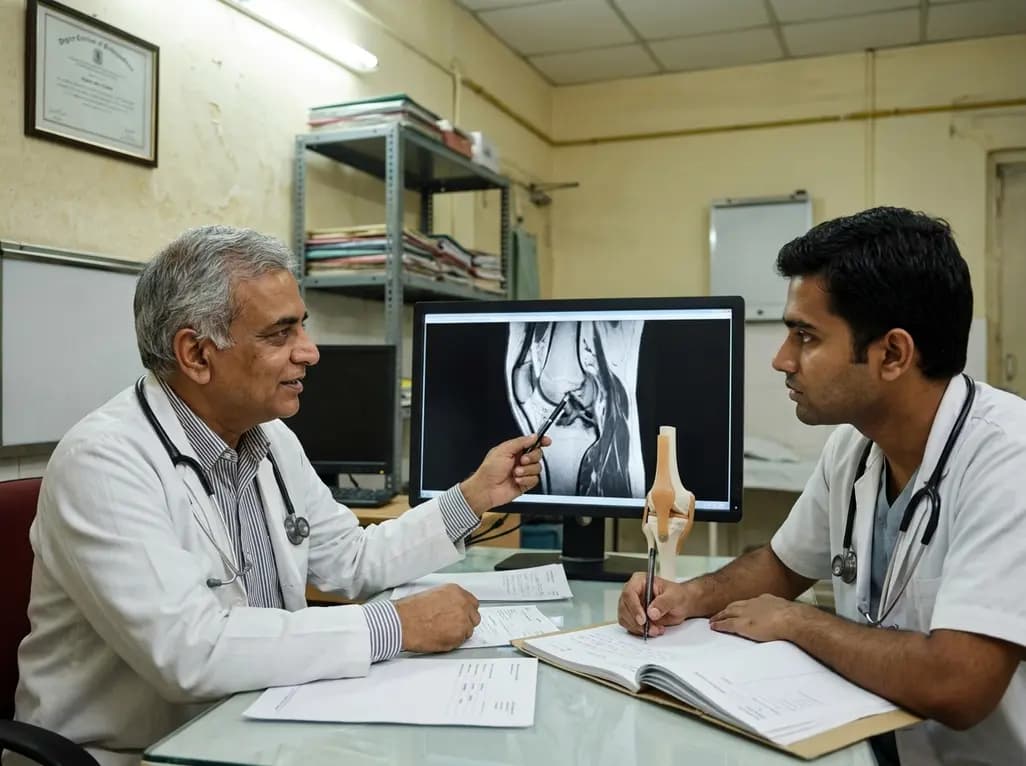
Anterior cruciate ligament reconstruction failure lacks uniform definition. A narrative review proposes an integrative framework incorporating objective and subjective instability, persistent pain, restricted motion, graft rupture, and secondary meniscal injury to standardize clinical reporting.
Yesterday
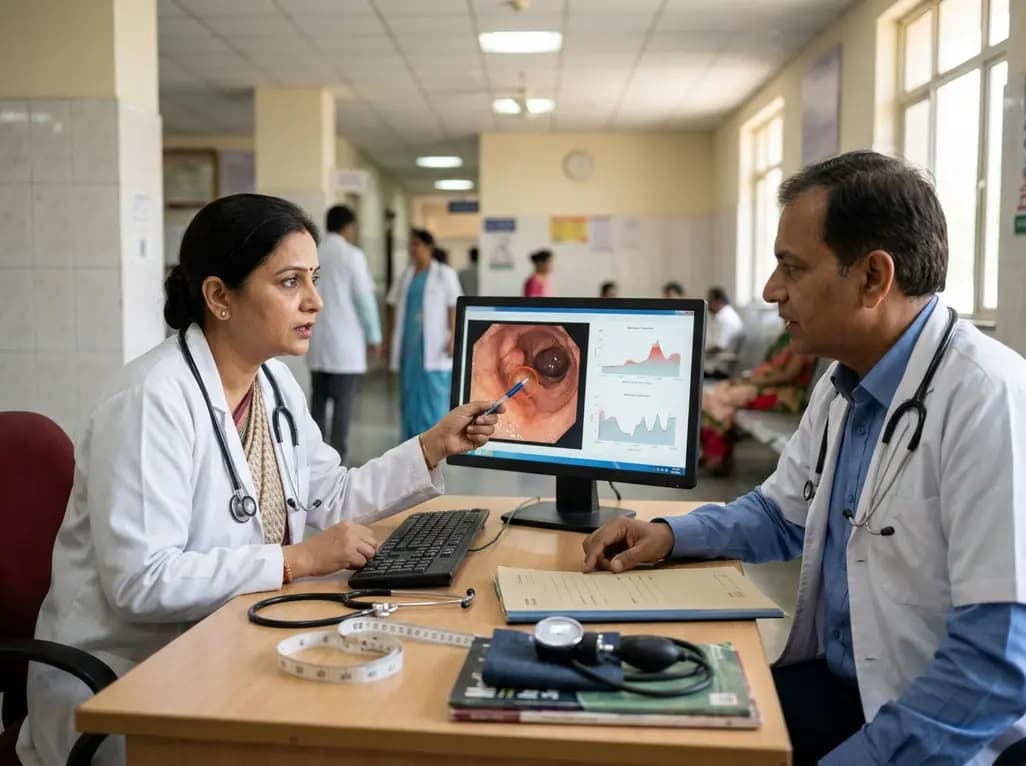
A UK Biobank study of 471,540 participants reveals that metabolic syndrome increases incident gastric cancer risk by 36% (HR=1.36). A positive trend was observed with accumulating metabolic components, with waist circumference showing the strongest association, highlighting modifiable risk targets.
2 days back
