.webp&w=384&q=75)

Loading, please wait...
Loading, please wait...
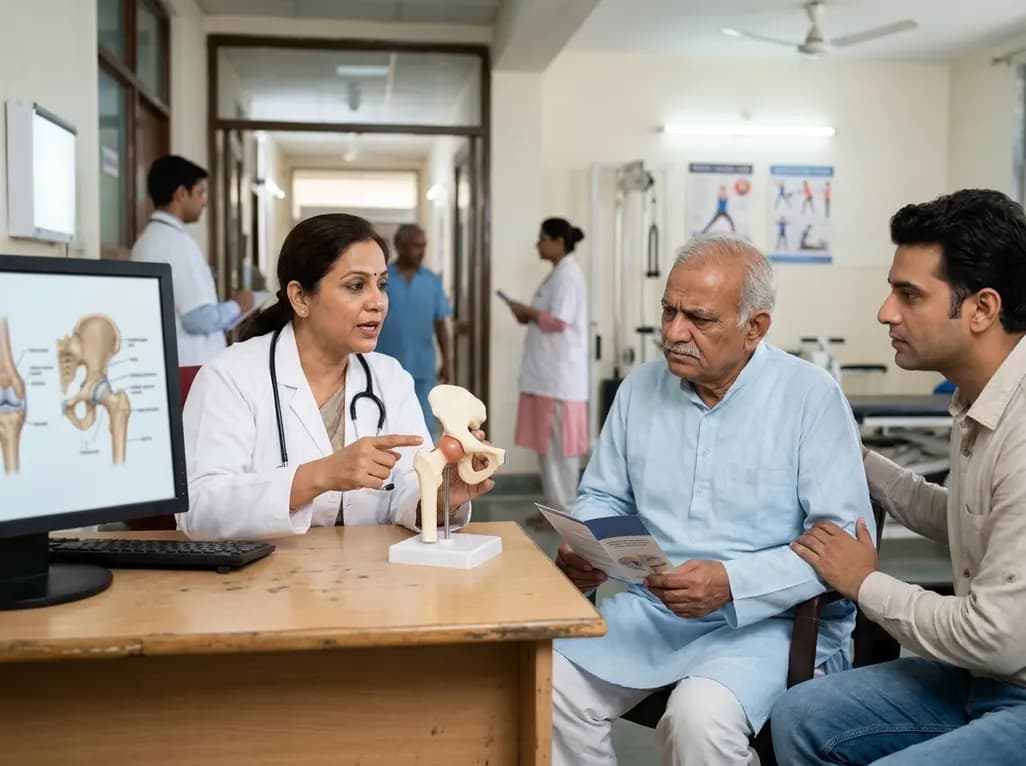
In contemporary clinical practice, surgical treatments are offered with increasing frequency, particularly to older populations and high-risk cohorts. However, the complexity of these cases necessitates a robust approach to informed surgical decision making. Healthcare providers must ensure that patients are fully cognizant of both the potential postoperative risks and the spectrum of available non-surgical alternatives. Recent research exploring hip replacement surgery in the UK has shed light on a significant gap between patient expectations and clinical realities. This discrepancy is particularly pronounced in high-risk patients, for whom unrecognized elevated risks can lead to suboptimal health outcomes. Consequently, understanding how patients process information and the role of non-surgical options like physiotherapy is paramount for improving surgical care and patient satisfaction. Furthermore, the provision of accurate, personalized data is not merely a legal requirement for consent but a fundamental component of value-based healthcare. When patients make decisions based on inaccurate beliefs, the resulting welfare loss can be substantial. Therefore, clinicians must adopt more sophisticated methods to bridge the information divide, ensuring that every patient reaches a truly informed choice that aligns with their clinical profile and personal values.
Evidence suggests that patients frequently harbor beliefs about surgical outcomes that differ systematically from statistical predictions. Specifically, many high-risk individuals tend to overestimate the functional gains of surgery while underestimating the probability of complications. This cognitive bias can significantly distort the decision-making process. The discrete choice model developed in recent health economics research quantifies these incorrect beliefs, illustrating how they lead to deviations from optimal treatment paths. Notably, the study found that these beliefs are not random but follow specific patterns based on patient demographics and clinical history. For instance, patients might associate surgery with a guaranteed return to high-level activity, neglecting the reality of long-term rehabilitation or the risk of prosthetic failure. Moreover, additional information provision has been shown to have heterogeneous effects on belief accuracy. While some patients successfully integrate new risk data into their worldview, others may experience cognitive dissonance or information overload. Consequently, the challenge for the surgical team is not just to provide more information, but to provide better, more digestible information. Understanding these psychological barriers is the first step toward refining the informed surgical decision making process in busy clinical environments where time for counseling is often limited.
One of the most striking findings in recent surgical research is the weight patients place on the availability of non-surgical treatments. In many healthcare systems, including those in India, the perceived binary choice between surgery and no treatment often overshadows the role of conservative management. The UK-based experiment highlighted that excluding physiotherapy from the set of available options accounts for four-fifths of the total welfare loss experienced by patients. This suggests that the absence of a viable, structured non-surgical alternative drives many patients toward high-risk procedures that they might otherwise avoid. Consequently, ensuring that physiotherapy is both available and presented as a legitimate clinical pathway is essential for true informed surgical decision making. Physiotherapy offers a risk-mitigated approach to managing end-stage osteoarthritis, yet it is frequently underutilized or inadequately explained during the surgical consultation. Furthermore, when patients are informed about the specific benefits of intensive physical therapy, their preference for immediate surgery often modulates. This shift underscores the importance of a multidisciplinary approach where surgeons and physiotherapists collaborate to provide a comprehensive view of the recovery journey. By broadening the therapeutic horizon, clinicians can help patients avoid the welfare traps associated with perceived surgical necessity.
The role of education as a predictor of welfare loss is a critical consideration in the pursuit of equitable healthcare. Research indicates that higher levels of formal education are strongly correlated with more accurate beliefs regarding surgical risks and outcomes. Conversely, patients with lower educational attainment are more susceptible to welfare loss resulting from incorrect beliefs and information gaps. This disparity highlights a significant challenge in patient counseling: a one-size-fits-all approach to information delivery will inevitably leave the most vulnerable patients behind. Specifically, the complexity of medical jargon and statistical risk models often creates a barrier that precludes effective informed surgical decision making. To address this, clinicians must tailor their communication strategies to the health literacy level of the individual. Using visual aids, simplified decision trees, and repetitive confirmation techniques can help bridge this gap. Moreover, the socioeconomic context in which a patient lives—such as their access to post-operative support or their ability to afford prolonged physiotherapy—must be integrated into the discussion. When education is recognized as a determinant of belief accuracy, the medical community can move toward more inclusive models of shared decision-making. Ultimately, reducing welfare loss requires a proactive effort to empower patients with varying educational backgrounds to understand the nuances of their care.
High-risk patients represent the most delicate segment of the surgical population, where the margins for error are slim and the consequences of a poor decision are profound. For these individuals, the provision of targeted, personalized information about postoperative risks is transformative. Randomizing additional information in clinical experiments has shown that while overall belief accuracy improves, the effect varies significantly among individuals. Some high-risk patients, when presented with their actual predicted risk of complications, choose to defer surgery in favor of non-surgical interventions. This redirection often results in higher overall welfare, as it avoids the morbidity associated with surgical failures in comorbid populations. Furthermore, the timing and format of this information are crucial. Information delivered during a stressful preoperative assessment may be less effective than data provided in a calm, consultative setting. Consequently, clinicians should consider multiple touchpoints for information delivery to reinforce the key aspects of informed surgical decision making. Additionally, using comparative data—showing the expected outcomes of surgery versus the expected outcomes of physiotherapy—allows patients to visualize the trade-offs more clearly. This comparative approach is particularly effective in correcting the over-optimism often seen in patients facing debilitating chronic pain.
Translating these research findings into daily orthopedic practice requires a systematic shift in how surgical consultations are structured. In the Indian context, where patient volumes are high and resources are often stretched, the implementation of formal discrete choice experiments may be impractical. However, the core principles of the research can still be applied through the use of standardized decision aids and structured counseling protocols. Surgeons should prioritize the discussion of non-surgical alternatives like physiotherapy as a primary option rather than a secondary afterthought. Moreover, the consent process should evolve from a signature on a form to a dynamic dialogue focused on the patient's specific beliefs and goals. Specifically, asking patients to verbalize their understanding of the risks can reveal the systemic misalignments that lead to welfare loss. Furthermore, involving family members in the discussion can provide additional cognitive support for the patient, particularly in geriatric cases. By recognizing that information provision is a heterogeneous process, doctors can better identify those who require extra time and simpler explanations. Ultimately, the goal is to foster an environment where informed surgical decision making is the gold standard, ensuring that every high-risk patient receives a treatment plan that maximizes their health potential while minimizing unnecessary surgical exposure.
Incorrect beliefs lead to mismatched expectations, where patients may anticipate unrealistic functional improvements or ignore significant risks. This discrepancy often results in lower postoperative satisfaction and increased psychological distress, even if the surgery is technically successful. When patients underestimate the recovery timeline or the necessity of rehabilitation, they may fail to adhere to essential postoperative protocols, thereby increasing the risk of complications and suboptimal long-term joint function.
Physiotherapy serves as a critical non-surgical benchmark that allows patients to weigh the trade-offs of an invasive procedure. Without a clear understanding of what physiotherapy can achieve, patients may feel coerced by their symptoms into choosing surgery prematurely. Providing a structured conservative option reduces the overall welfare loss by ensuring that high-risk patients are not funneled into surgery simply due to a lack of perceived alternatives or therapeutic support.
Clinicians can utilize the "teach-back" method, asking patients to explain the risks and benefits in their own words to verify understanding. Additionally, using standardized visual aids and decision tools that avoid complex medical jargon can simplify the communication of statistical risks. Tailoring the conversation to the patient's educational background and providing written materials in local languages further ensures that the informed surgical decision making process is equitable and effective.
Disclaimer: This content is for informational and educational purposes only and does not constitute medical advice, diagnosis, or treatment. Always seek the advice of your physician or other qualified health provider with any questions you may have regarding a medical condition. Refer to the latest local and national guidelines for clinical practice.
References
Cornaglia F et al. Patient Information and Surgery Decisions: A Discrete Choice Experiment. Health Econ. 2026 Jul 19. doi: 10.1002/hec.70135. PMID: 42473013.
National Institute for Health and Care Excellence (NICE). Joint replacement (primary): hip, knee and shoulder. [NG157]. London: NICE; 2020 (Updated 2023).
American Academy of Orthopaedic Surgeons (AAOS). Management of Osteoarthritis of the Hip Evidence-Based Clinical Practice Guideline. Rosemont, IL: AAOS; 2023.

Read summarized clinical updates, watch expert medical content, and earn CME certifications right from your smartphone.
Open your smartphone camera to scan and install.





A recent study on hip replacement surgery highlights the critical role of accurate patient beliefs and the availability of physiotherapy in reducing welfare loss for high-risk patients. Discover how education level predicts decision outcomes and why informed surgical decision making is essential.
6 days back
A community survey in Blantyre, Malawi, shows that sex differences in tuberculosis immunoreactivity emerge during early adulthood, peaking at age 21 with 1.58-fold higher conversion risk in males. Tobacco and alcohol use drive community transmission, highlighting the need for targeted active case finding.
2 days back

An 11-year Swedish registry study of 618 uterine sarcoma patients found that minimally invasive surgery yielded survival comparable to open surgery in early stages. However, adjuvant chemotherapy conferred no survival benefit in localized or advanced disease, highlighting stage and histology as key outcomes.
2 days back

A cross-sectional study evaluates post-intensive care syndrome in cardiac patients 2-4 weeks post-ICU discharge, highlighting cognitive, psychological, and functional impairments and the need for structured multidisciplinary rehabilitation.
2 days back
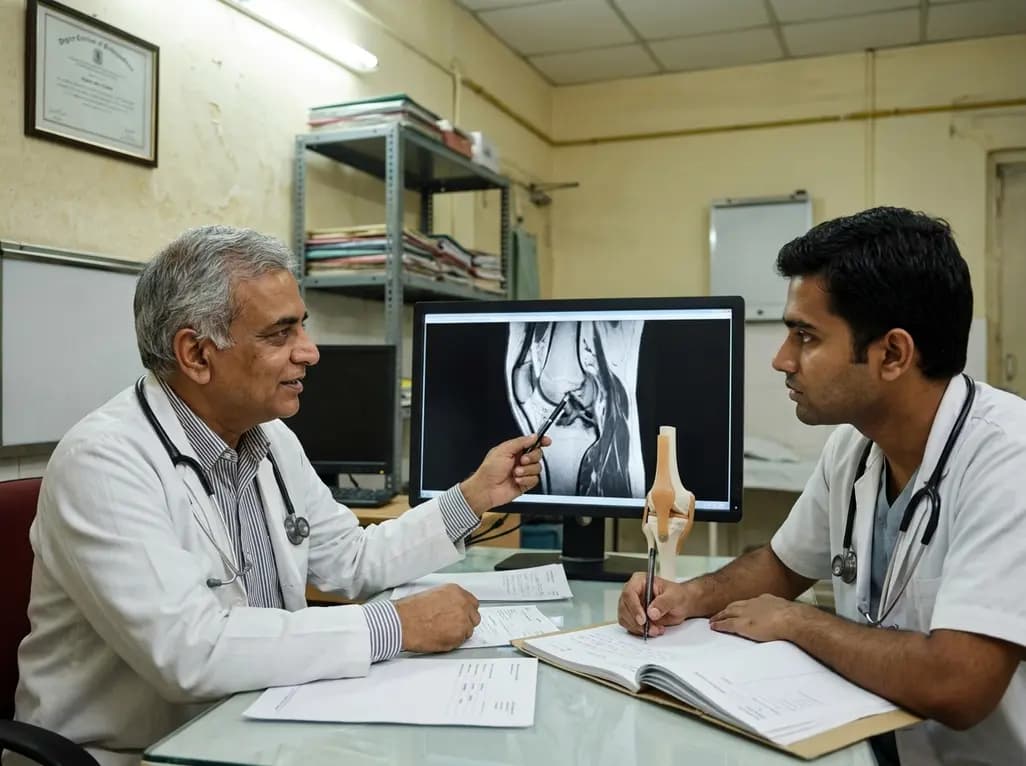
Anterior cruciate ligament reconstruction failure lacks uniform definition. A narrative review proposes an integrative framework incorporating objective and subjective instability, persistent pain, restricted motion, graft rupture, and secondary meniscal injury to standardize clinical reporting.
2 days back

A UK Biobank study of 471,540 participants reveals that metabolic syndrome increases incident gastric cancer risk by 36% (HR=1.36). A positive trend was observed with accumulating metabolic components, with waist circumference showing the strongest association, highlighting modifiable risk targets.
3 days back
