.webp&w=384&q=75)

Loading, please wait...
Loading, please wait...
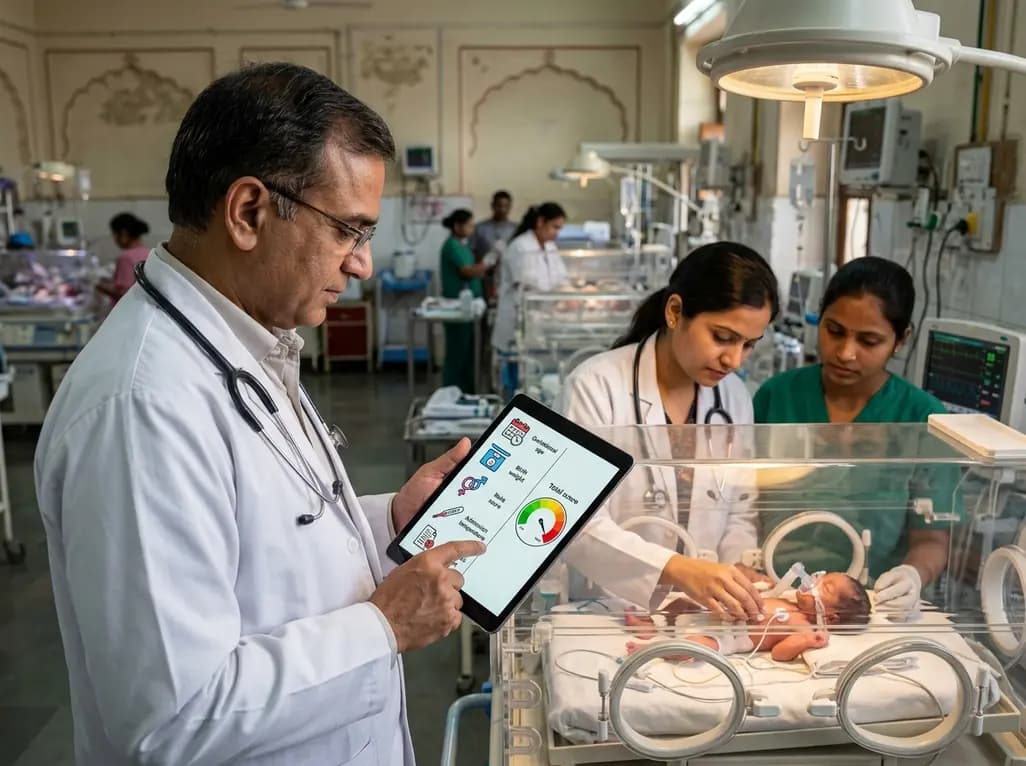
Neonatal mortality remains a critical public health challenge in developing countries, with premature birth and low birth weight serving as primary drivers of early infant deaths. Recently, a significant study conducted by pediatric specialists at Sawai Man Singh (SMS) Medical College in Jaipur, India, validated a simple yet effective tool for early clinical risk assessment. Researchers evaluated the utility of the CRIB-II scoring system on premature newborns admitted to the intensive care unit. This simple scoring system allows healthcare providers to assess a child's clinical risk within the first hour of admission. Consequently, doctors can make faster, life-saving decisions when resources are stretched thin. By evaluating critical physiological parameters immediately upon entry, clinicians can accurately predict adverse outcomes and tailor treatment plans. This predictive model helps bridge the gap in intensive neonatal care. As a result, it significantly enhances the survival prospects of highly vulnerable infants in resource-limited settings. Implementing such standardized tools can greatly streamline clinical workflows in busy public hospitals. Ultimately, this approach offers a practical solution to reduce the heavy burden of neonatal mortality across the nation.
Clinical assessment in the neonatal intensive care unit (NICU) requires tools that are both rapid and highly reliable. The Clinical Risk Index for Babies-II, widely known as the CRIB-II scoring system, represents a major advancement in neonatal risk stratification. Originally developed to predict mortality risk in preterm infants, this system specifically relies on five easily measurable parameters. These include the infant's birth weight, gestational age, body temperature at admission, blood acid levels, and gender. Pediatricians calculate this score immediately upon admission to quantify the severity of the illness. Because these five variables are readily obtainable, doctors do not have to wait for extensive laboratory investigations to begin triage. Consequently, the scoring system offers an immediate objective snapshot of the newborn's baseline physiological state. Clinicians can easily categorize infants into different risk tiers ranging from low to very high risk based on the final calculated value. In busy clinical settings, having access to such a standardized, objective metric is invaluable. It eliminates subjective bias and ensures that clinical teams share a uniform understanding of the patient's critical state.
To validate this tool in India, researchers at Sawai Man Singh Medical College conducted a prospective clinical trial on 181 premature and low-birth-weight babies admitted to JK Lone Hospital in Jaipur. The study cohort presented with challenging clinical baselines. For instance, the average gestational age was 28.88 weeks and the average birth weight was 1.01 kg. Within the first hour of admission, clinical teams documented the necessary parameters for each baby. Subsequently, researchers monitored the clinical outcomes to assess predictive accuracy. The scoring system operates on a straightforward scale where a score of 0 to 5 represents a low risk, 6 to 10 signifies moderate risk, 11 to 15 indicates high risk, and above 15 represents a very high risk. The SMS Medical College study confirmed that mortality rates escalated sharply as the scores increased. Consequently, the score allows pediatricians to understand the severity of each baby's condition within minutes. By identifying high-risk neonates in the golden hour, medical teams can pre-emptively manage complications such as respiratory distress or severe metabolic acidosis. Therefore, the score serves as a powerful guide for clinical decision-making.
In developing countries like India, public healthcare systems frequently grapple with severe resource constraints. Neonatal units often face acute shortages of ventilators, intensive care beds, and specially trained nursing staff. Under these challenging circumstances, the CRIB-II scoring system emerges as an essential administrative and clinical tool. By objectively identifying which newborns are at the absolute highest risk, the score helps doctors allocate limited resources more equitably and effectively. Specifically, babies with elevated scores can be prioritized immediately for advanced respiratory support or continuous monitoring. Conversely, infants categorized as low risk can be managed safely with standard supportive care, preventing the unnecessary overutilization of intensive resources. Additionally, the score assists clinicians in identifying which newborns require immediate referral to tertiary or quaternary healthcare centers. Making these referral decisions early, rather than waiting for clinical deterioration, significantly improves the chances of survival during transport. Thus, implementing this simple, low-cost scoring protocol can dramatically enhance the overall efficiency and quality of neonatal care across regional healthcare networks.
In addition to guiding clinical therapies, this objective scoring tool plays a pivotal role in facilitating better communication with families. Delivering news about a premature newborn's health is one of the most challenging tasks a pediatrician faces. Parents of preterm infants often experience extreme anxiety, confusion, and fear regarding their baby's survival. However, by utilizing the objective data from the scoring system, clinicians can deliver a clearer and more accurate prognosis. Specifically, doctors can explain the exact risk level using standardized tiers, which helps parents understand the gravity of the situation without unnecessary panic. This structured communication fosters a stronger sense of trust between the medical team and the family. Furthermore, having an objective score helps parents make informed decisions regarding treatment options and advanced care interventions. It also prepares families emotionally for potential outcomes, reducing the psychological burden of uncertainty. Ultimately, widespread adoption of simple, reliable, and validated tools like CRIB-II is critical for national healthcare improvement, democratizing high-quality neonatal care throughout the country.
Q1: What are the five parameters used to calculate the CRIB-II score?
The CRIB-II scoring system calculates mortality and morbidity risk using five bedside parameters. These are the infant's birth weight, gestational age at birth, body temperature recorded at the time of admission, the baby's gender, and blood acid levels measured via base excess. Because these clinical factors are easily obtained within the first hour of admission, they allow for rapid risk stratification without requiring delayed laboratory results.
Q2: How does the CRIB-II scoring system categorize risk levels for premature newborns?
The scoring system categorizes neonatal risk into four distinct tiers based on the total numerical score. A score of 0 to 5 indicates low risk, 6 to 10 represents moderate risk, and 11 to 15 signifies high risk. Any score exceeding 15 indicates an extremely high risk of mortality and severe morbidity. This clear categorization helps pediatricians quickly identify high-risk infants and initiate aggressive clinical interventions early.
Q3: Why is the CRIB-II scoring system particularly beneficial for hospitals in India?
In resource-limited settings like India, neonatal intensive care units often experience shortages of ventilators, beds, and specialized staff. The CRIB-II score acts as an objective triage tool, enabling clinicians to prioritize high-risk babies for immediate intensive care. Additionally, it guides timely referral decisions to tertiary centers before the newborn deteriorates, optimizing resource allocation and significantly lowering neonatal mortality rates nationwide.
Disclaimer: This content is for informational and educational purposes only. It does not constitute medical advice or replace professional judgment. Refer to the latest local and national guidelines for clinical practice.
References

Read summarized clinical updates, watch expert medical content, and earn CME certifications right from your smartphone.
Open your smartphone camera to scan and install.





A landmark study at SMS Medical College, Jaipur, highlights the Clinical Risk Index for Babies-II (CRIB-II) score as a crucial clinical tool to quickly assess and prioritize high-risk premature newborns, paving the way for improved survival rates in resource-limited NICUs.
5 days back

A community survey in Blantyre, Malawi, shows that sex differences in tuberculosis immunoreactivity emerge during early adulthood, peaking at age 21 with 1.58-fold higher conversion risk in males. Tobacco and alcohol use drive community transmission, highlighting the need for targeted active case finding.
Yesterday

An 11-year Swedish registry study of 618 uterine sarcoma patients found that minimally invasive surgery yielded survival comparable to open surgery in early stages. However, adjuvant chemotherapy conferred no survival benefit in localized or advanced disease, highlighting stage and histology as key outcomes.
Yesterday

A cross-sectional study evaluates post-intensive care syndrome in cardiac patients 2-4 weeks post-ICU discharge, highlighting cognitive, psychological, and functional impairments and the need for structured multidisciplinary rehabilitation.
Yesterday
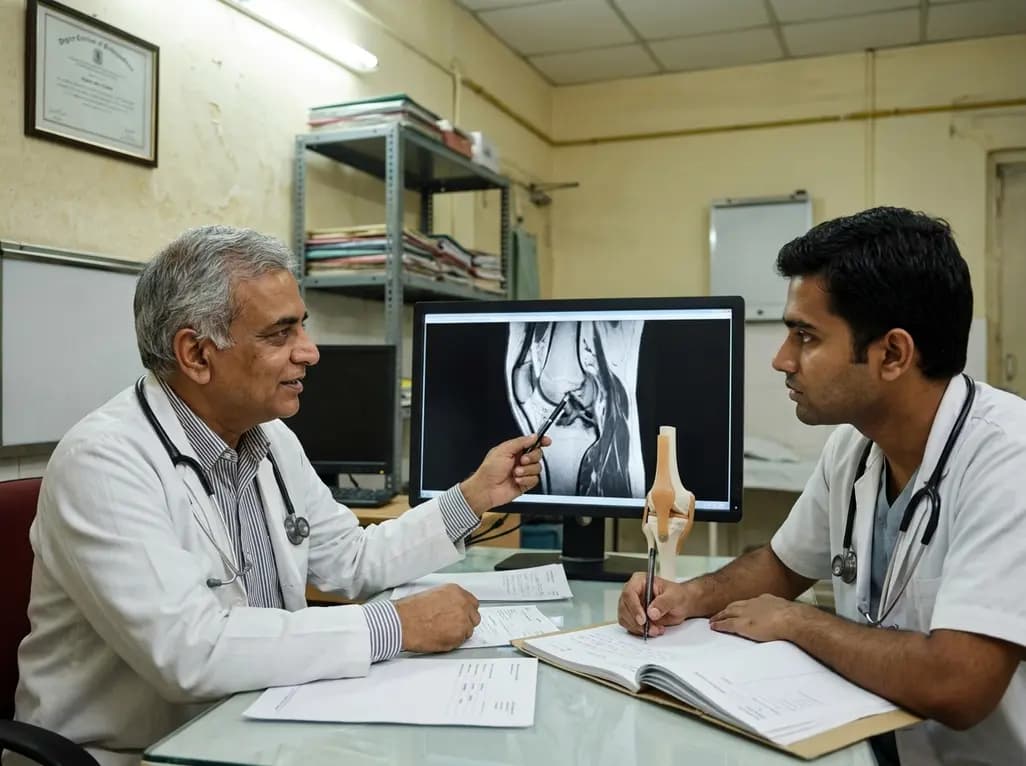
Anterior cruciate ligament reconstruction failure lacks uniform definition. A narrative review proposes an integrative framework incorporating objective and subjective instability, persistent pain, restricted motion, graft rupture, and secondary meniscal injury to standardize clinical reporting.
Yesterday
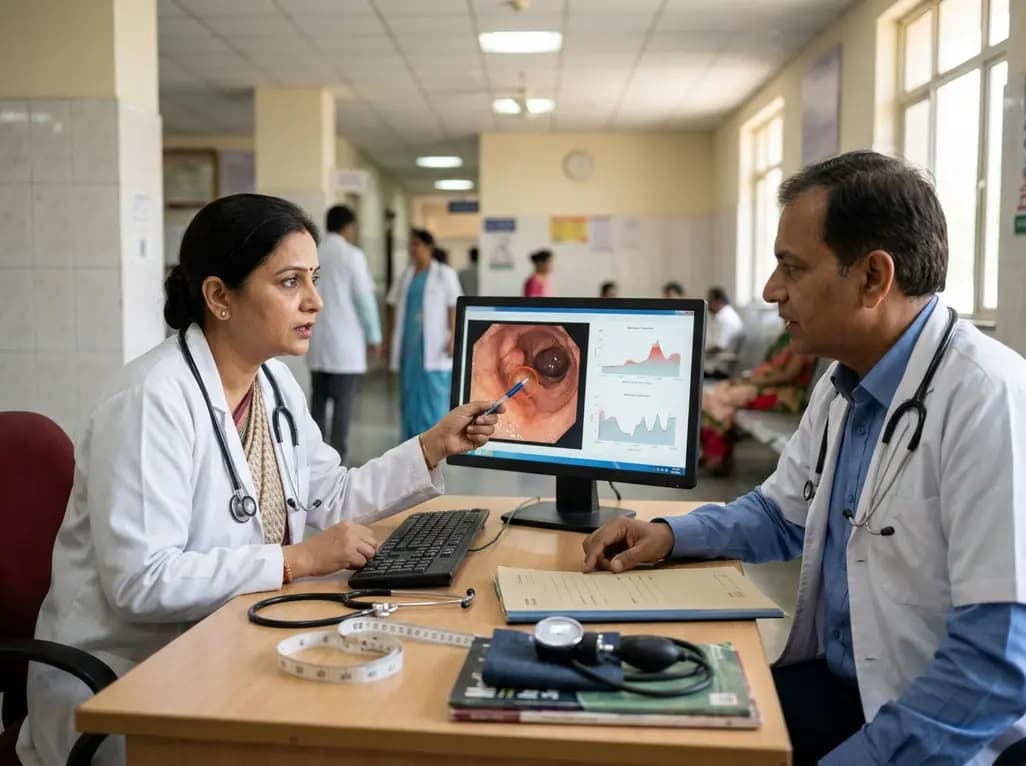
A UK Biobank study of 471,540 participants reveals that metabolic syndrome increases incident gastric cancer risk by 36% (HR=1.36). A positive trend was observed with accumulating metabolic components, with waist circumference showing the strongest association, highlighting modifiable risk targets.
2 days back
