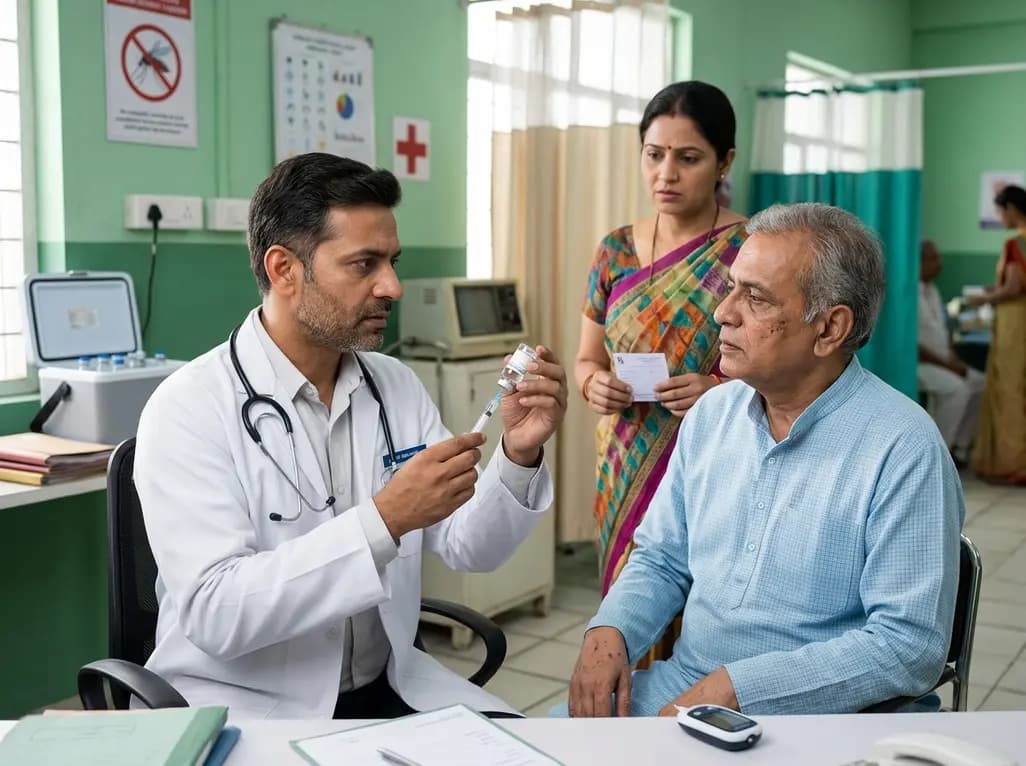
Dengue fever is a major global health concern, particularly in tropical regions. However, metabolic comorbidities can significantly worsen clinical outcomes. Specifically, a new review reveals that patients with Type 2 diabetes and dengue face life-threatening complications. Dr. Jothydev Kesavadev led this paper, which advocates for integrated clinical prevention strategies to protect these vulnerable patients.
Pathophysiological Mechanisms of Type 2 diabetes and dengue
To understand why diabetes worsens dengue, one must examine the biological changes caused by persistent hyperglycemia. Persistently elevated blood glucose levels severely impair immune cell function, particularly the activity of neutrophils, macrophages, and T-lymphocytes. Consequently, the body struggles to control early viral replication, allowing the dengue virus to spread rapidly. Furthermore, chronic hyperglycemia causes sustained low-grade systemic inflammation and damages the endothelial lining of blood vessels. When the dengue virus attacks these already compromised vessels, the risk of endothelial dysfunction increases exponentially. Therefore, the combination of immune suppression and vascular fragility makes diabetic patients highly susceptible to severe infections. Additionally, the altered metabolic environment in diabetes promotes abnormal coagulation pathways. This baseline physiological stress makes it extremely difficult for the body to maintain vascular integrity during a viral assault. As a result, the transition from mild fever to severe systemic illness occurs much more rapidly in this cohort. Recognizing these risks allows clinicians to implement early monitoring protocols for these vulnerable patients.
The Danger of Cytokine Storms and Severe Complications
The review paper outlines several severe, life-threatening complications that diabetic individuals face when infected with the dengue virus. Specifically, these patients are significantly more prone to developing an exaggerated inflammatory response, widely known as a cytokine storm. During this phenomenon, the immune system releases massive quantities of pro-inflammatory cytokines, which triggers widespread tissue damage and vascular leakage. This severe reaction frequently progresses to dengue hemorrhagic fever, which features internal bleeding and profound thrombocytopenia. Moreover, the potential onset of dengue shock syndrome further escalates the risk. This potentially fatal condition features an acute, dangerous fall in blood pressure, leading to organ failure. Because diabetic patients already have underlying vascular compromise, they suffer from higher rates of severe plasma leakage. Consequently, managing fluid balance becomes exceptionally challenging for clinicians, as both overhydration and dehydration can cause devastating complications. Therefore, the presence of diabetes transforms a typically self-limiting viral illness into an unpredictable medical emergency. Early intervention remains critical to prevent progression to irreversible shock.
Integrating Dengue Vaccination into Routine Diabetes Care
To combat this dual threat, the review advocates for a proactive approach to preventive medicine in endemic areas. Specifically, the authors recommend integrating dengue vaccination directly into routine clinical care for individuals living with diabetes. This integration offers a structured way to protect vulnerable populations before seasonal outbreaks begin. Currently, international guidelines strongly support vaccinating high-risk cohorts to reduce the burden of severe infectious diseases. By utilizing established diabetes care networks, healthcare providers can ensure that vaccine delivery reaches those who need it most. Furthermore, this dual-management strategy aligns chronic care with infectious disease prevention, strengthening the overall healthcare infrastructure. The specialists emphasize that preventing infection is far more cost-effective than managing intensive care hospitalizations. Additionally, vaccination programs can reduce the immense economic strain that seasonal outbreaks place on families and healthcare systems. Consequently, healthcare authorities should prioritize incorporating this vaccine into standard protocols. Diabetologists should actively discuss vaccination options with their patients during regular consultations.
Clinical Evidence and Efficacy of the TAK-003 Vaccine
When discussing preventive measures, clinical evidence plays a pivotal role in shaping medical recommendations. The review highlights the significant potential of the TAK-003 dengue vaccine, commercially known as Qdenga, in protecting high-risk diabetic individuals. Multi-year clinical trials have demonstrated that this vaccine is highly effective at reducing dengue-related hospitalizations. Specifically, it reduces the risk of hospitalization by approximately 84% to 90%, while providing strong protection against severe dengue fever. Furthermore, the manufacturers formulated TAK-003 to combat all four primary serotypes of the dengue virus. This broad-spectrum protection is crucial because secondary infections with different serotypes often trigger the most severe complications. Additionally, clinicians can safely administer the vaccine to individuals regardless of their previous exposure to the dengue virus. This eliminates the expensive and time-consuming requirement for pre-vaccination screening or blood testing, streamlining public health campaigns. Consequently, healthcare providers can rapidly deploy the vaccine in high-burden regions to protect vulnerable cohorts. Therefore, utilizing this clinical tool offers a practical and evidence-based method to shield diabetic patients.
The Broader Impact of Synergistic Disease Management
Integrating chronic disease management with infectious disease prevention represents a major shift in modern medicine. This synergistic approach has the potential to improve clinical outcomes for millions of patients living in dengue-endemic areas. Traditionally, medical systems treat chronic illnesses and acute infectious outbreaks in isolated silos. However, this study demonstrates that chronic metabolic disorders can severely exacerbate the impact of acute viral infections. By addressing these overlapping risks, health systems can deliver more comprehensive, patient-centered care. Furthermore, this integrated model optimizes the use of existing healthcare resources, making clinic visits more comprehensive. Patient education during routine check-ups should focus not only on glycemic control but also on disease prevention. Consequently, patients will become more proactive about receiving recommended vaccines, such as those for influenza, pneumonia, and dengue. Ultimately, this approach strengthens healthcare delivery and improves long-term survival rates for diabetic individuals in resource-limited settings. Implementing these integrated chronic care strategies is vital for building resilient healthcare systems in tropical regions.
Frequently Asked Questions
Q1: Why are individuals with Type 2 diabetes at a higher risk of developing severe dengue?
People with diabetes suffer from chronic metabolic dysfunction and persistent hyperglycemia. This metabolic state severely weakens immune cell responses, making it difficult to control viral replication. Furthermore, high blood sugar damages the blood vessels. When the dengue virus attacks, these fragile vessels leak plasma more easily. Consequently, this leads to complications like cytokine storms, hemorrhage, and fatal shock syndrome.
Q2: What clinical strategies are recommended to reduce the risk of severe dengue in diabetic patients?
The primary clinical strategy involves integrating dengue vaccination into routine diabetes management. Clinicians should evaluate patients living in endemic regions and recommend immunization. Additionally, maintaining strict glycemic control remains vital, as stable blood sugar supports vascular health. During active infections, doctors must closely monitor metabolic parameters and blood counts to catch early signs of plasma leakage or bleeding complications.
Q3: How effective is the TAK-003 vaccine and does it require pre-vaccination testing?
The TAK-003 vaccine, also known as Qdenga, has demonstrated exceptional efficacy in clinical trials. It reduces dengue-related hospitalizations by 84% to 90% and provides strong protection against severe disease. Furthermore, the vaccine is effective against all four serotypes of the virus. Crucially, it can be administered regardless of prior dengue exposure, eliminating the need for expensive pre-vaccination blood tests.
Disclaimer: This content is for informational and educational purposes only. It does not constitute medical advice or replace professional judgment. Refer to the latest local and national guidelines for clinical practice.
References
- People with Type 2 diabetes face higher risk of severe dengue: Study - ETHealthworld
- Htun NS, et al. Is diabetes a risk factor for severe dengue?-Review and meta-analysis. PLoS Negl Trop Dis. 2015;9(4):e0003741.
.webp&w=384&q=75)