.webp&w=384&q=75)

Loading, please wait...
Loading, please wait...

In the contemporary landscape of obstetrics, particularly within the Indian healthcare context, the rising frequency of repeat caesarean sections presents a significant clinical hurdle. A scarred uterus, resulting from previous surgical interventions, predisposes patients to various intraoperative and postoperative challenges. These risks range from placenta accreta spectrum disorders to dense abdominal adhesions and chronic pelvic floor dysfunction. Consequently, clinicians constantly seek objective methods to evaluate preoperative risk and tailor surgical approaches. Traditional assessments often rely on ultrasonography to measure the thickness of the lower uterine segment or physical examinations to score previous abdominal scars. However, these methods sometimes lack the sensitivity required to predict long-term recovery outcomes or subtle physiological shifts. The introduction of molecular biomarkers offers a potential solution to this diagnostic gap. By analyzing circulating microRNAs, which regulate gene expression at the post-transcriptional level, physicians can gain deeper insights into the tissue-level environment of the uterus and surrounding pelvic structures. Recent research has specifically pointed toward serum miR-145-5p as a compelling candidate for this role. This small non-coding RNA molecule appears to reflect the structural integrity and healing capacity of the uterine tissue. Understanding its levels before surgery could revolutionize how we approach high-risk repeat deliveries, ensuring that maternal safety remains the paramount priority during these complex procedures.
Research into the molecular underpinnings of surgical recovery has identified miR-145-5p postoperative complications as a key area of interest for obstetricians and gynecologists. MicroRNA-145-5p is predominantly known for its regulatory influence on smooth muscle cell phenotype and its suppressive role in various fibrotic processes. In the context of a scarred uterus, the expression levels of this microRNA provide a window into the biological state of the previous surgical site. Studies involving 198 patients have categorized women into high-expression and low-expression groups to observe how these molecular levels correlate with actual clinical outcomes. The findings suggest that lower serum levels of miR-145-5p often precede a higher incidence of surgical sequelae. Furthermore, this molecule is intricately involved in the TGF-beta signaling pathway, which is a master regulator of wound healing and scar formation. When miR-145-5p levels are insufficient, the body may lean toward dysfunctional healing, leading to thinner uterine walls or excessive scar tissue. This negative correlation between serum levels and the severity of complications highlights its potential as a sentinel marker. By measuring these levels preoperatively, surgeons can anticipate technical difficulties during the procedure. Moreover, it allows for a more personalized postoperative management plan, potentially involving earlier interventions or specialized rehabilitation to mitigate the risks associated with molecularly identified vulnerabilities in the uterine and abdominal tissues.
One of the most debilitating long-term consequences of repeat caesarean sections is the development of pelvic floor dysfunction (PFD). This condition encompasses a spectrum of issues, including urinary incontinence, pelvic organ prolapse, and reduced pelvic muscle strength. Interestingly, recent prospective cohort data indicates that miR-145-5p expression levels are significantly lower in patients who eventually experience moderate-to-severe PFD compared to those with healthy pelvic function. This relationship is particularly important because PFD often goes under-reported in the early stages of postoperative recovery. The microRNA seems to serve as a proxy for the health of the connective tissues and muscle fibers that support the pelvic organs. Specifically, miR-145-5p helps maintain the contractile apparatus of smooth muscle cells; therefore, its downregulation may signal a systemic or localized weakness in these supportive structures. During a caesarean section, the surgical trauma can exacerbate existing pelvic floor issues, and having a low baseline of protective microRNAs might hinder the body’s ability to compensate. Additionally, the study found that women in the low-expression group had poorer scores on standard pelvic muscle strength tests six to eight weeks after delivery. For the practicing Indian physician, this information is invaluable. It suggests that a simple blood test could identify women who need intensive pelvic floor physiotherapy or closer monitoring, thereby improving the overall quality of life for mothers in the years following their surgery.
Beyond the structural integrity of the uterus, the internal environment of the reproductive tract and the peritoneal cavity plays a vital role in postoperative health. Vaginal microecological disorders and abdominal adhesions are common yet troublesome issues following a second or third caesarean section. Data shows that serum miR-145-5p levels are notably lower in women who develop vaginal microecological imbalances, such as bacterial vaginosis or altered pH levels, after surgery. This link suggests that the microRNA may play a broader role in immune modulation or epithelial health than previously understood. Furthermore, abdominal adhesions remain a primary concern for any surgeon re-entering the peritoneal cavity. Adhesions can lead to chronic pelvic pain, bowel obstructions, and significant intraoperative complications during subsequent surgeries. The research demonstrates a clear association between low miR-145-5p expression and the presence of significant abdominal adhesions. Moreover, there is a strong negative correlation between serum levels and the Patient-Observation Scar Assessment Scale (POSAS) scores. Higher POSAS scores, which indicate a poorer quality of the external abdominal scar, frequently align with low circulating miR-145-5p. This finding implies that the external appearance and internal healing of the scar are molecularly linked. By evaluating these levels preoperatively, clinicians can better counsel patients on their specific risks and prepare for the possibility of dense adhesions that might prolong surgery or increase the risk of bladder or bowel injury.
The clinical utility of any biomarker depends heavily on its predictive accuracy, which researchers often measure using the Receiver Operating Characteristic (ROC) curve analysis. In the study of miR-145-5p, the ROC curve analysis demonstrated that this molecule has high sensitivity and specificity for predicting a range of postoperative complications. Specifically, the Area Under the Curve (AUC) for predicting pelvic floor dysfunction and vaginal microecological disorders was robust, suggesting that it is more than just a correlative marker; it is a powerful predictive tool. This efficacy allows it to function as an adjunctive molecular biomarker alongside traditional imaging. For instance, while an ultrasound might show a thin lower uterine segment, the miR-145-5p level provides information about the actual physiological quality of that tissue. Combining these data points enables a more comprehensive preoperative risk assessment. Furthermore, the ability to predict complications like adhesions and PFD before the first incision is made gives the surgical team a significant advantage. It facilitates better operating room scheduling, the involvement of senior consultants for high-risk cases, and the proactive ordering of adhesion barriers or specialized surgical equipment. For patients, this translates into a more informed consent process where they can understand their personalized risk profile. Ultimately, the adoption of such molecular markers represents a transition toward precision medicine in the field of obstetrics, where biological data drives clinical decision-making to optimize maternal outcomes.
The integration of miR-145-5p testing into routine obstetric care could significantly impact the management of scarred uterus cases across India. Given the high volume of deliveries in many Indian centers, having a reliable, objective marker to triage patients into different risk categories is essential for resource allocation. While the prospective cohort study provides a strong foundation, the transition to clinical practice requires a standardized approach to measuring microRNA levels. Fortunately, the technology for quantitative real-time PCR (qRT-PCR) is becoming increasingly available in diagnostic laboratories. Additionally, the clinical relevance of this marker extends to the postpartum period. Women identified as having low miR-145-5p levels could be fast-tracked into rehabilitation programs, ensuring they receive the support needed to prevent chronic disability. Notably, this research emphasizes that we should not view the scarred uterus as a uniform condition; rather, it is a variable biological state that ranges from well-healed to severely dysfunctional. By utilizing miR-145-5p, we can finally begin to quantify that difference. This approach aligns with global trends toward reducing maternal morbidity and improving surgical safety. As we continue to refine these molecular tools, the hope is that every woman undergoing a repeat caesarean section can benefit from a personalized assessment that considers her unique biological healing profile. This move from a 'one-size-fits-all' approach to a data-driven, individualized care model is the hallmark of modern medical progress.
Low preoperative levels of miR-145-5p indicate a higher likelihood of postoperative complications in patients with a scarred uterus. Specifically, clinicians should expect a higher risk of pelvic floor dysfunction, abdominal adhesions, and vaginal microecological imbalances. This molecular signal suggests that the uterine and abdominal tissues may have reduced healing capacity or structural integrity, necessitating a more cautious surgical approach and proactive postoperative monitoring for the patient.
Abdominal adhesions often result from dysfunctional wound healing and excessive fibrosis within the peritoneal cavity. miR-145-5p plays a critical role in regulating smooth muscle cells and the TGF-beta pathway, which controls scar tissue production. When this microRNA is downregulated, the balance shifts toward excessive fibrotic response, leading to the dense adhesions commonly seen in repeat caesarean cases. This association makes it a valuable predictor for intraoperative surgical difficulty.
Currently, the research primarily focuses on patients with a scarred uterus undergoing repeat caesarean sections, as they are at the highest risk for complications. While it shows great promise for these specific cases, further research is needed to determine its utility in primary pregnancies. For now, it serves as an excellent adjunctive biomarker for risk assessment in women with previous uterine surgeries, helping doctors tailor their surgical and recovery strategies effectively.
Disclaimer: This content is for informational and educational purposes only. It does not constitute professional medical advice, diagnosis, or treatment. Always seek the advice of your physician or other qualified healthcare provider with any questions you may have regarding a medical condition. Use of this information is at your own risk. Refer to the latest local and national guidelines for clinical practice.
References
Zhao M et al. miR-145-5p in predicting caesarean section postoperative complications in scarred uterus cases: a prospective cohort study. J Obstet Gynaecol. 2026 Dec undefined. doi: 10.1080/01443615.2026.2697492. PMID: 42472477.

Read summarized clinical updates, watch expert medical content, and earn CME certifications right from your smartphone.
Open your smartphone camera to scan and install.





New research identifies serum miR-145-5p as a significant molecular biomarker for predicting postoperative complications, including pelvic floor dysfunction and abdominal adhesions, in patients with a scarred uterus undergoing a caesarean section, aiding in precise preoperative risk assessment.
6 days back

A community survey in Blantyre, Malawi, shows that sex differences in tuberculosis immunoreactivity emerge during early adulthood, peaking at age 21 with 1.58-fold higher conversion risk in males. Tobacco and alcohol use drive community transmission, highlighting the need for targeted active case finding.
2 days back

An 11-year Swedish registry study of 618 uterine sarcoma patients found that minimally invasive surgery yielded survival comparable to open surgery in early stages. However, adjuvant chemotherapy conferred no survival benefit in localized or advanced disease, highlighting stage and histology as key outcomes.
2 days back

A cross-sectional study evaluates post-intensive care syndrome in cardiac patients 2-4 weeks post-ICU discharge, highlighting cognitive, psychological, and functional impairments and the need for structured multidisciplinary rehabilitation.
2 days back
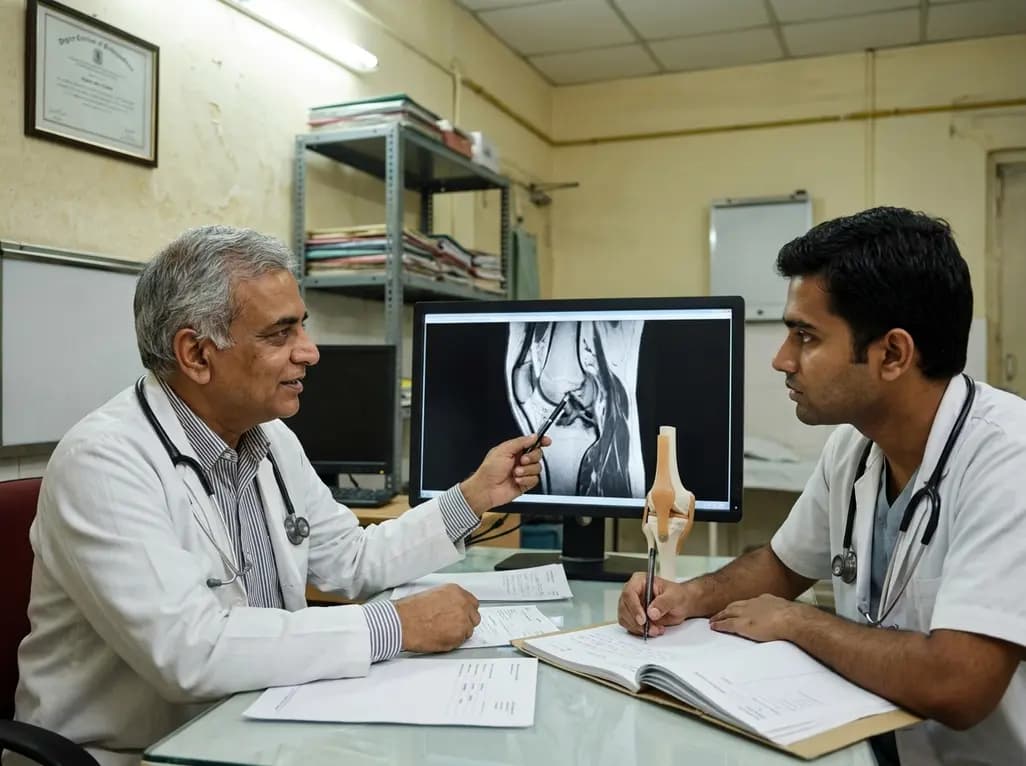
Anterior cruciate ligament reconstruction failure lacks uniform definition. A narrative review proposes an integrative framework incorporating objective and subjective instability, persistent pain, restricted motion, graft rupture, and secondary meniscal injury to standardize clinical reporting.
2 days back

A UK Biobank study of 471,540 participants reveals that metabolic syndrome increases incident gastric cancer risk by 36% (HR=1.36). A positive trend was observed with accumulating metabolic components, with waist circumference showing the strongest association, highlighting modifiable risk targets.
3 days back
