.webp&w=384&q=75)

Loading, please wait...
Loading, please wait...
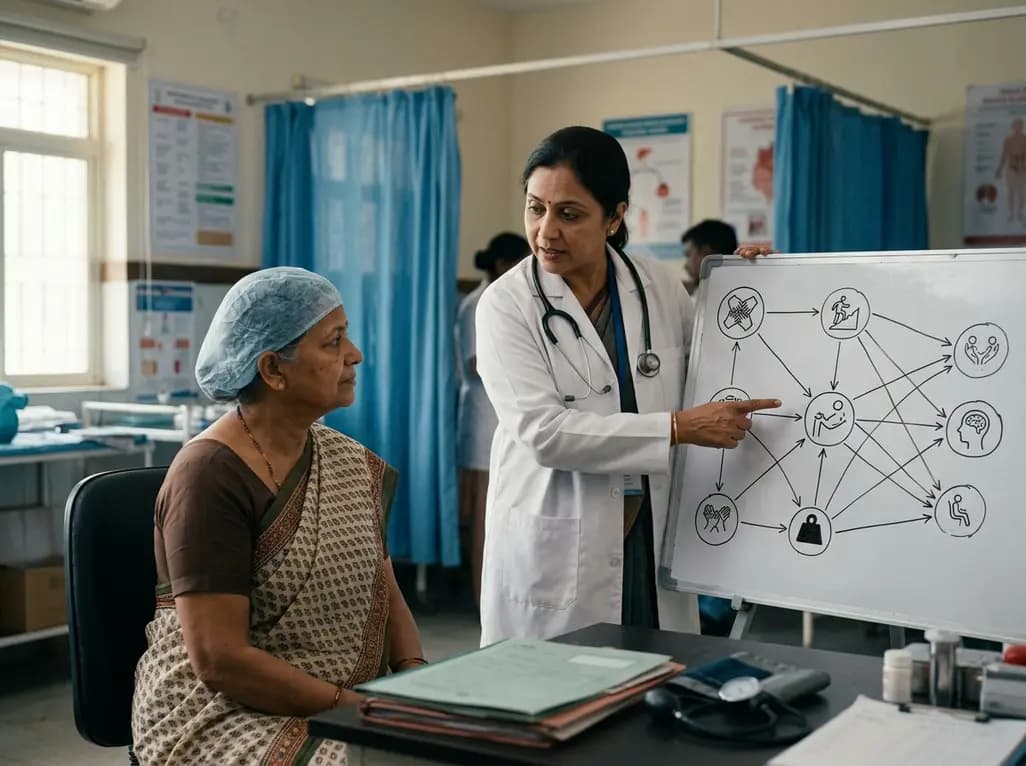
Ovarian cancer represents a significant challenge within the gynecological oncology landscape in India. While clinical focus often prioritizes surgical cytoreduction and platinum-based chemotherapy, the emotional toll on patients remains equally profound. Recent research highlights that ovarian cancer psychological distress is not a monolithic experience. Instead, it manifests as complex configurations of depression and anxiety symptoms. Understanding these symptoms requires moving beyond simple linear models to embrace set-theory perspectives. A groundbreaking study recently utilized fuzzy-set qualitative comparative analysis (fsQCA) to map these intricate pathways. By integrating stress sources like self-perceived burden (SPB) with coping resources and styles, researchers identified multiple "recipes" for high and low distress. This approach acknowledges that patients are influenced by a synergy of interacting variables. For Indian oncologists and mental health professionals, these findings offer a more nuanced framework for patient support. Recognizing that different combinations of traits lead to similar outcomes allows for truly personalized care. Consequently, clinicians can better identify which patients are at risk and which possess hidden resilience.
The foundation of this research rests on Lazarus’s Stress and Coping Model, which posits that psychological outcomes arise from the interaction between an individual and their environment. In the context of ovarian cancer, the diagnosis acts as a massive stressor. However, the resulting ovarian cancer psychological distress is mediated by various factors. Self-perceived burden (SPB) is a critical stress source where patients feel their illness imposes physical or financial strain on loved ones. This feeling frequently correlates with higher levels of depression. Conversely, coping styles act as the primary mechanisms through which patients manage this stress. Positive coping includes strategies like active problem-solving and seeking social support. Negative coping often involves avoidance or resignation. Furthermore, internal resources such as self-esteem and general self-efficacy play a protective role. Research shows that these factors do not work in isolation. A patient might have high self-efficacy but still experience distress if their SPB is overwhelming. Medical staff must assess these elements collectively to understand the patient’s overall psychological landscape effectively.
The fsQCA results identified six distinct configurations leading to high levels of depression. This finding proves that there is no single cause for depression in these patients. For instance, one pathway might involve high SPB combined with high negative coping. Another might involve low self-esteem paired with a lack of positive coping strategies. Similarly, the analysis revealed two configurations specifically linked to high anxiety symptoms. These pathways demonstrate the principle of equifinality, where different initial conditions can lead to the same psychological endpoint. Consequently, two patients with similar anxiety scores might have arrived at that state through different combinations of traits. One might be struggling due to a profound sense of being a burden, while another might be overwhelmed due to a lack of self-efficacy despite family support. This complexity explains why generic interventions often fail. By identifying these specific configurational paths, clinicians can see the "ingredients" of a patient's distress. If a patient fits a high-risk configuration, proactive psychiatric referral or specialized nursing support can be initiated to mitigate harm.
Understanding what leads to low levels of depression and anxiety is just as crucial as identifying risks. The study found four configurations related to low anxiety and six related to low depression. Remarkably, these "low-symptom" pathways were not simply the mirror images of high-symptom pathways. This asymmetry suggests that the presence of health is not merely the absence of disease factors. For example, a patient might experience low anxiety due to a unique combination of high self-esteem and high positive coping, even if they perceive a moderate burden. Furthermore, researchers observed substitutability among elements. This means that if a patient lacks one resource, such as high self-efficacy, they might compensate for it with an exceptionally strong positive coping style. This complementarity is vital for resource-limited settings like many hospitals in India. If formal psychological counseling is unavailable, enhancing other available resources can still lead to a low-distress state. Consequently, caregivers can focus on strengthening specific factors already present in a patient’s profile to leverage their existing strengths for emotional recovery.
For clinicians in India, these configurational insights necessitate a shift in how we approach ovarian cancer psychological distress. First, the assessment of psychological health should be multidimensional. Specifically, medical staff should screen for self-perceived burden (SPB), as it is a frequent driver of negative outcomes in our culturally interdependent society. When SPB is high, interventions should aim to reduce this perception through family counseling and social support. Second, the concept of substitutability allows for flexible intervention planning. If a patient has low self-efficacy, medical teams can focus on teaching specific positive coping mechanisms to balance the scales. Furthermore, since negative coping often catalyzes high distress, identifying and curbing these habits early is essential. Nursing staff play a pivotal role here, as they often spend the most time with patients during chemotherapy cycles. By recognizing the patterns described in the fsQCA study, nurses can provide targeted encouragement. Therefore, the implementation of personalized "coping prescriptions" becomes a feasible goal. These prescriptions would account for the patient's unique mix of self-esteem and efficacy.
Integrating these findings into routine clinical practice requires a robust multi-specialty approach. In India, where the patient-to-doctor ratio is high, collaboration between oncologists, gynecologists, and psychiatrists is paramount. The study suggests that psychological distress configurations are dynamic and can be influenced by medical staff actions. Consequently, every interaction is an opportunity to reinforce positive configurations. For instance, explaining the treatment plan clearly can boost a patient's self-efficacy, which might be the "missing piece" in their pathway to low anxiety. Moreover, involving family members in the discussion can directly reduce the self-perceived burden, a key component in several depression configurations. Regular multidisciplinary team meetings should include a brief review of the patient’s psychological state alongside their clinical markers. This ensures that the emotional aspects of the disease are not sidelined by the urgency of physical treatment. Furthermore, providing educational materials that promote positive coping can empower patients to take an active role in their own recovery. By addressing the multiple interacting factors revealed by configurational analysis, we can provide a safety net for women navigating ovarian cancer.
Self-perceived burden refers to the psychological distress a patient feels when they believe their illness places a heavy strain on their caregivers. In ovarian cancer, this often includes physical, emotional, and financial dependencies. High levels of SPB are strongly linked to increased depression. Managing this through family communication and social support is essential to disrupt configurational pathways that lead to severe psychological symptoms and poor quality of life.
Traditional multiple linear regression analyzes the net effect of individual variables on an outcome. In contrast, fuzzy-set qualitative comparative analysis (fsQCA) examines how combinations of factors, or "configurations," lead to a specific result. This is particularly useful in oncology because it recognizes that different patients can reach the same level of distress through various interacting pathways. It highlights substitutability and complementarity, which are often missed by standard linear models.
While positive coping is a powerful protective factor, it rarely works in isolation. The study shows that low anxiety is often the result of a configuration involving positive coping alongside high self-esteem or low self-perceived burden. If other stressors are overwhelming, positive coping may not be sufficient on its own. Therefore, a multi-faceted approach that also reduces burden and builds self-efficacy is necessary for the most effective anxiety management.
Disclaimer: This content is for informational and educational purposes only. It does not constitute medical advice or establish a doctor-patient relationship. Always seek the advice of a qualified healthcare provider regarding a medical condition. Refer to the latest local and national guidelines for clinical practice.
References
Ma C et al. Configurational Paths of Depression and Anxiety Symptoms in Ovarian Cancer Patients: A Fuzzy-Set Qualitative Comparative Analysis. Depress Anxiety. 2026 undefined undefined. doi: 10.1155/da/6451069. PMID: 42472091.
Watts S, et al. Depression and anxiety in ovarian cancer: a systematic review and meta-analysis of prevalence rates. BMJ Open. 2015;5(11):e007618. doi: 10.1136/bmjopen-2015-007618.
Hu S, et al. New Study Highlights Importance of Mental Health Support for Ovarian Cancer Patients. AACR Annual Meeting. 2021.
"
Read summarized clinical updates, watch expert medical content, and earn CME certifications right from your smartphone.
Open your smartphone camera to scan and install.





New research using fuzzy-set qualitative comparative analysis (fsQCA) identifies multiple configurational pathways for depression and anxiety in ovarian cancer patients. Understanding how coping styles, self-efficacy, and perceived burden interact allows for more targeted, personalized psychological care.
Last week
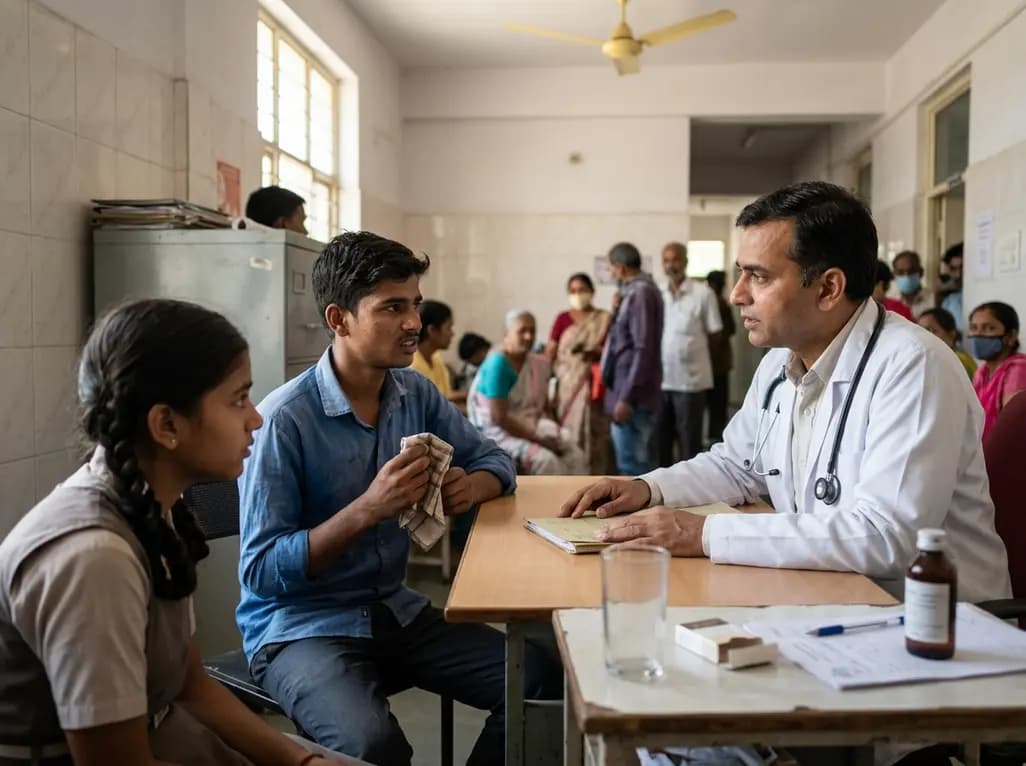
A community survey in Blantyre, Malawi, shows that sex differences in tuberculosis immunoreactivity emerge during early adulthood, peaking at age 21 with 1.58-fold higher conversion risk in males. Tobacco and alcohol use drive community transmission, highlighting the need for targeted active case finding.
2 days back

An 11-year Swedish registry study of 618 uterine sarcoma patients found that minimally invasive surgery yielded survival comparable to open surgery in early stages. However, adjuvant chemotherapy conferred no survival benefit in localized or advanced disease, highlighting stage and histology as key outcomes.
2 days back
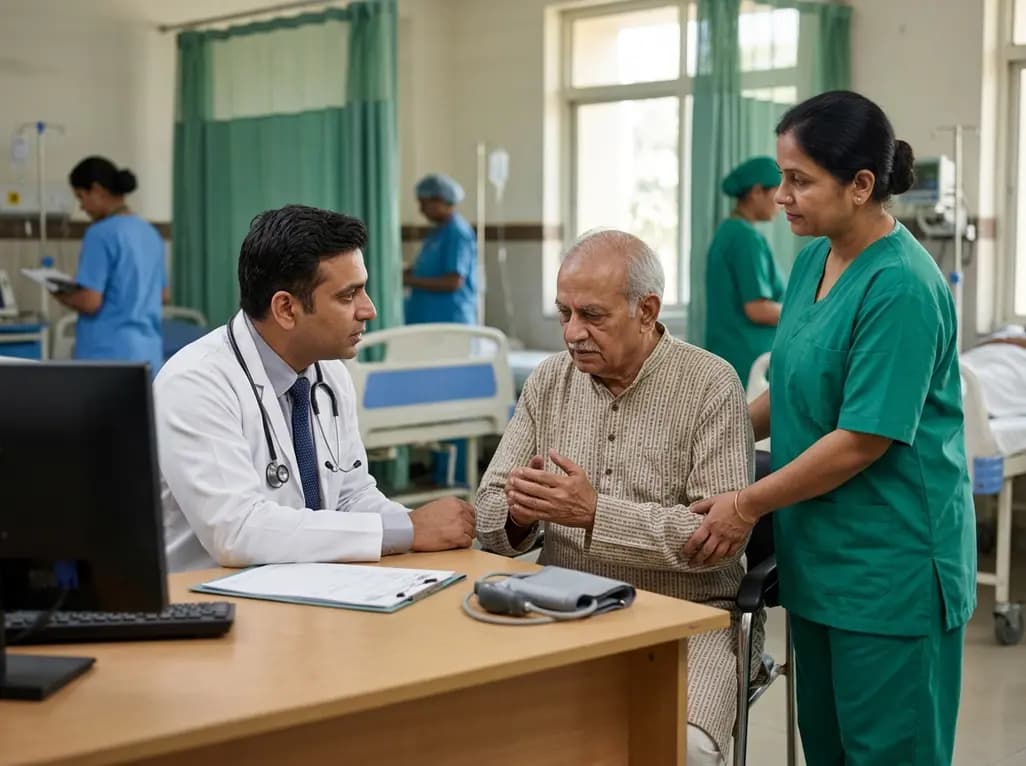
A cross-sectional study evaluates post-intensive care syndrome in cardiac patients 2-4 weeks post-ICU discharge, highlighting cognitive, psychological, and functional impairments and the need for structured multidisciplinary rehabilitation.
2 days back
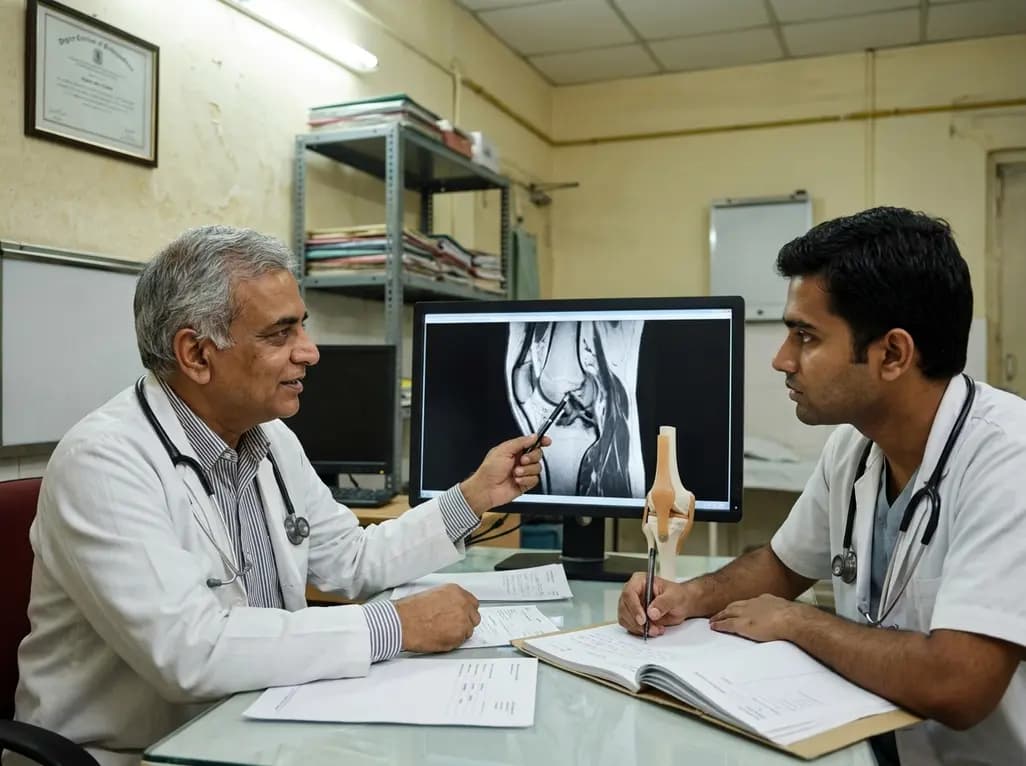
Anterior cruciate ligament reconstruction failure lacks uniform definition. A narrative review proposes an integrative framework incorporating objective and subjective instability, persistent pain, restricted motion, graft rupture, and secondary meniscal injury to standardize clinical reporting.
2 days back
A UK Biobank study of 471,540 participants reveals that metabolic syndrome increases incident gastric cancer risk by 36% (HR=1.36). A positive trend was observed with accumulating metabolic components, with waist circumference showing the strongest association, highlighting modifiable risk targets.
3 days back
