.webp&w=384&q=75)

Loading, please wait...
Loading, please wait...
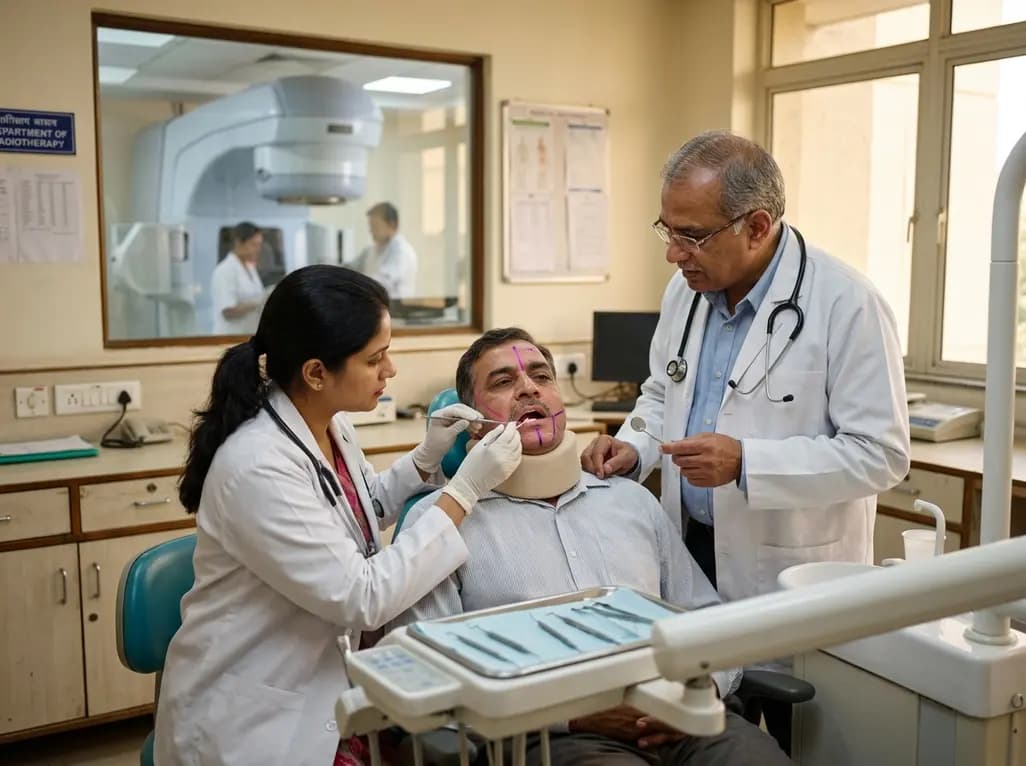
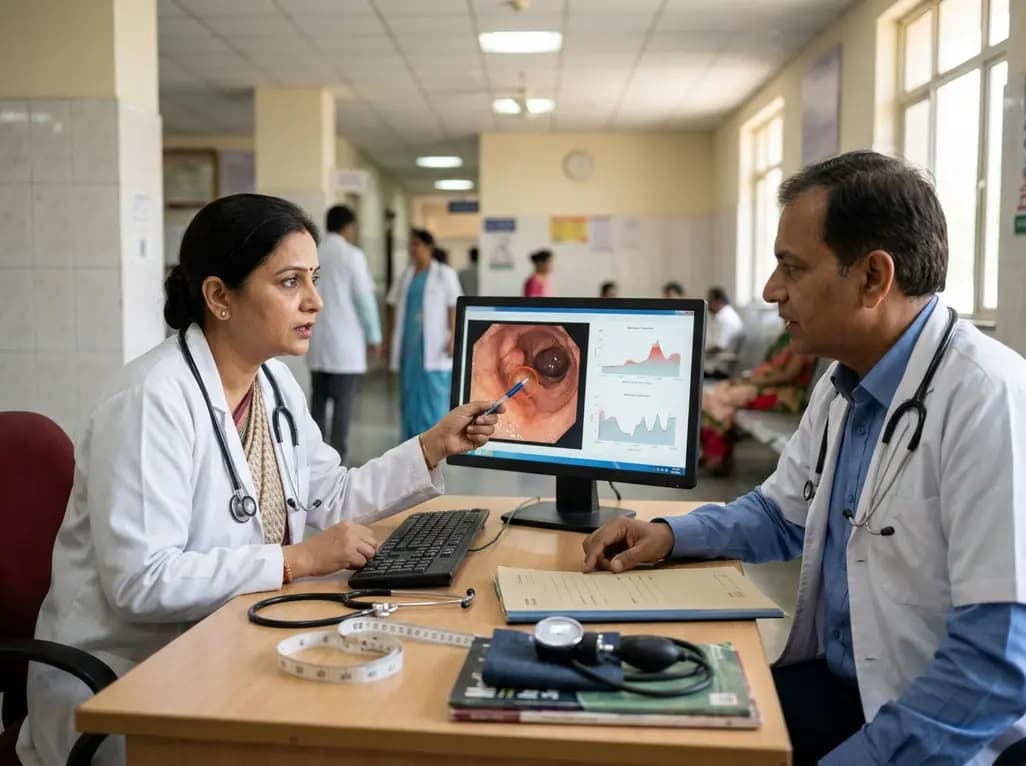
Nasopharyngeal carcinoma (NPC) presents a significant clinical burden in India, specifically within the North-Eastern demographic where incidence rates are among the highest globally. The standard of care predominantly involves high-dose radiotherapy, which, while effective at controlling the malignancy, often leads to severe oral complications. Proactive Periodontal management in NPC is essential because the periodontium remains highly sensitive to ionizing radiation. Without adequate pre-treatment intervention, patients often face a rapid decline in oral health, characterized by increased pocket depths and attachment loss. This decline is not merely a matter of hygiene; it can lead to systemic complications that interrupt oncological treatment schedules. Clinicians must recognize that the oral environment undergoes a radical transformation during the course of radiotherapy. Salivary gland dysfunction leads to xerostomia, which in turn alters the oral pH and the delicate balance of the subgingival microbiota. Therefore, establishing a healthy periodontal foundation before radiation begins is a primary clinical goal. This pilot study provides a rigorous comparison between basic scaling and comprehensive therapy, offering new evidence for pre-radiotherapy protocols.
The radiotherapy-induced shift in the oral microenvironment is a complex biological process that necessitates expert dental oversight. Radiation therapy specifically targets rapidly dividing cells, including those in the oral mucosa and the epithelial attachment of the gingiva. Consequently, the natural barrier against subgingival pathogens becomes compromised. Furthermore, the reduction in salivary flow diminishes the protective effects of immunoglobulins and lysozymes. In such a dry, altered environment, the subgingival microbiota undergoes a profound taxonomic shift. Research indicates that while the total microbial load may not always increase, the proportion of pathogenic anaerobic bacteria often does. These changes contribute to what clinicians term "radiation-induced periodontitis," a condition that progresses much faster than conventional chronic periodontitis. Understanding these shifts is crucial for developing targeted preventive strategies. By focusing on the microbial community structure, dentists can potentially mitigate the severity of inflammation. The study utilized 16S rRNA sequencing to provide a high-resolution map of these changes, revealing how specific therapy can buffer against the most detrimental microbial alterations.
To address these clinical challenges, researchers conducted a pilot randomized controlled trial involving twelve NPC patients who also presented with periodontitis. These participants were randomly assigned to either a control group or a test group. The control group received standard supragingival scaling before radiotherapy, which is a common practice in many oncology centers. In contrast, the test group received comprehensive periodontal initial therapy, which included both supragingival scaling and thorough subgingival scaling and root planing (SRP). Clinical periodontal indices, such as probing depth (PD), clinical attachment loss (CAL), bleeding index, and plaque index, were meticulously recorded. Additionally, subgingival plaque samples were collected at baseline and at the completion of the radiotherapy course. This methodology allowed for a direct comparison of how intensive mechanical therapy influences clinical and microbial outcomes. The focus was on determining whether more aggressive pre-treatment intervention could provide superior protection for the periodontal tissues. By using a randomized design, the researchers aimed to minimize bias and provide a clear indication of the efficacy of comprehensive therapy over basic prophylaxis.
The results of the study revealed significant differences between the two intervention groups, particularly in the preservation of periodontal health. Specifically, the changes in full-mouth mean probing depth and clinical attachment loss were significantly more favorable in the test group compared to the control group. This suggests that comprehensive periodontal therapy provides a robust clinical benefit that persists throughout the radiotherapy period. From a microbiological perspective, the study identified five dominant phyla—Bacteroidota, Firmicutes, Proteobacteria, Fusobacteriota, and Actinobacteriota—which accounted for over 90% of the subgingival microbiota. Interestingly, alpha diversity, a measure of microbial richness and evenness, decreased significantly in the test group post-radiotherapy. While a decrease in diversity is sometimes viewed negatively, in this clinical context, it likely reflects the successful reduction of pathogenic species following comprehensive therapy. The stabilization of the microbial community, despite the stressors of radiation, underscores the protective value of deep scaling and root planing. These findings provide a compelling argument for moving beyond simple scaling as the standard of care for pre-radiotherapy oral management.
For dental practitioners in India, these findings have immediate and practical implications for patient care protocols. Given the high prevalence of both NPC and periodontal disease in certain regions, implementing a structured Periodontal management in NPC protocol is vital. This protocol should ideally involve a multidisciplinary team including radiation oncologists, ENT surgeons, and periodontists. The study suggests that comprehensive therapy, performed before the initiation of radiation, can significantly reduce the risk of clinical attachment loss. Practitioners should emphasize the importance of thorough subgingival debridement, as simple supragingival scaling appears insufficient to combat the effects of radiation on the periodontium. Moreover, patient education regarding the likely changes in their oral environment is essential. Providing patients with tailored oral hygiene instructions and regular follow-up visits during and after radiotherapy can help maintain the benefits achieved through initial therapy. As the survival rates for NPC continue to improve due to better radiation techniques, the focus must shift towards enhancing the long-term quality of life for survivors, starting with the maintenance of a functional dentition.
In conclusion, this pilot randomized controlled trial highlights the critical role of comprehensive periodontal therapy in the management of nasopharyngeal carcinoma patients. By effectively reducing periodontal pockets and stabilizing clinical attachment levels, comprehensive therapy offers a superior alternative to standard scaling. The microbiological data further support the idea that intensive pre-treatment can manage the subgingival flora during the physiological stress of radiotherapy. While the study was a pilot with a small sample size, the significant clinical improvements observed warrant further investigation in larger cohorts. For now, the evidence strongly supports a paradigm shift towards more intensive oral healthcare interventions for oncology patients to protect their overall well-being.
Radiotherapy for nasopharyngeal carcinoma significantly alters the oral environment, causing xerostomia and increasing susceptibility to periodontal infections. Pre-radiotherapy therapy, particularly comprehensive scaling and root planing, establishes a clean periodontal foundation. This proactive intervention helps prevent rapid attachment loss and severe inflammation during cancer treatment. Furthermore, it reduces the risk of systemic infections and ensures that oral pain does not interfere with the patient’s ability to complete their planned oncological treatment protocols effectively.
Standard supragingival scaling only removes plaque and calculus from above the gumline, which may not be enough for patients with existing periodontitis. Comprehensive therapy includes subgingival scaling and root planing, which targets the deeper bacterial reservoirs in periodontal pockets. This study shows that this deeper intervention is more effective at stabilizing probing depths and clinical attachment levels, providing a much higher degree of protection against the damaging effects of high-dose radiation therapy during oncology treatment.
The subgingival microbiota consists of diverse bacterial communities that can shift toward a more pathogenic state during radiotherapy. Radiation-induced changes in saliva and tissue health allow harmful anaerobic bacteria to flourish, leading to accelerated periodontal destruction. Comprehensive therapy helps by reducing the overall microbial load and altering the community structure before radiation begins. This stabilization makes the periodontal tissues more resilient, preventing the severe microbial shifts that typically accompany the completion of cancer treatment and subsequent oral complications.
Disclaimer: This content is for informational and educational purposes only... Refer to the latest local and national guidelines for clinical practice.
References
Lv S et al. Short-Term Effects of Comprehensive Periodontal Initial Therapy on Subgingival Microbiota in Nasopharyngeal Carcinoma Patients Undergoing Radiotherapy: A Pilot Randomised Controlled Trial. Int Dent J. 2026 Jul 16. doi: undefined. PMID: 42462348.
Sroussi HY, Epstein JB, Bensadoun RJ, et al. Common oral complications of head and neck cancer radiation therapy: mucositis, infections, saliva change, fibrosis, sensory dysfunctions, dental caries, periodontal disease, and osteoradionecrosis. Cancer Med. 2017;6(12):2918-2931.
Gupta N, Pal M, Rawat S, et al. Radiation-induced dental caries, prevention and treatment - A systematic review. Natl J Maxillofac Surg. 2015;6(2):160-166.
"
Read summarized clinical updates, watch expert medical content, and earn CME certifications right from your smartphone.
Open your smartphone camera to scan and install.





This pilot RCT compares comprehensive periodontal therapy to simple scaling for NPC patients. Results show significant improvements in periodontal indices and microbial stability, highlighting the need for intensive oral care before starting radiotherapy to protect the subgingival environment.
Last week
A community survey in Blantyre, Malawi, shows that sex differences in tuberculosis immunoreactivity emerge during early adulthood, peaking at age 21 with 1.58-fold higher conversion risk in males. Tobacco and alcohol use drive community transmission, highlighting the need for targeted active case finding.
Yesterday

An 11-year Swedish registry study of 618 uterine sarcoma patients found that minimally invasive surgery yielded survival comparable to open surgery in early stages. However, adjuvant chemotherapy conferred no survival benefit in localized or advanced disease, highlighting stage and histology as key outcomes.
Yesterday
A cross-sectional study evaluates post-intensive care syndrome in cardiac patients 2-4 weeks post-ICU discharge, highlighting cognitive, psychological, and functional impairments and the need for structured multidisciplinary rehabilitation.
Yesterday
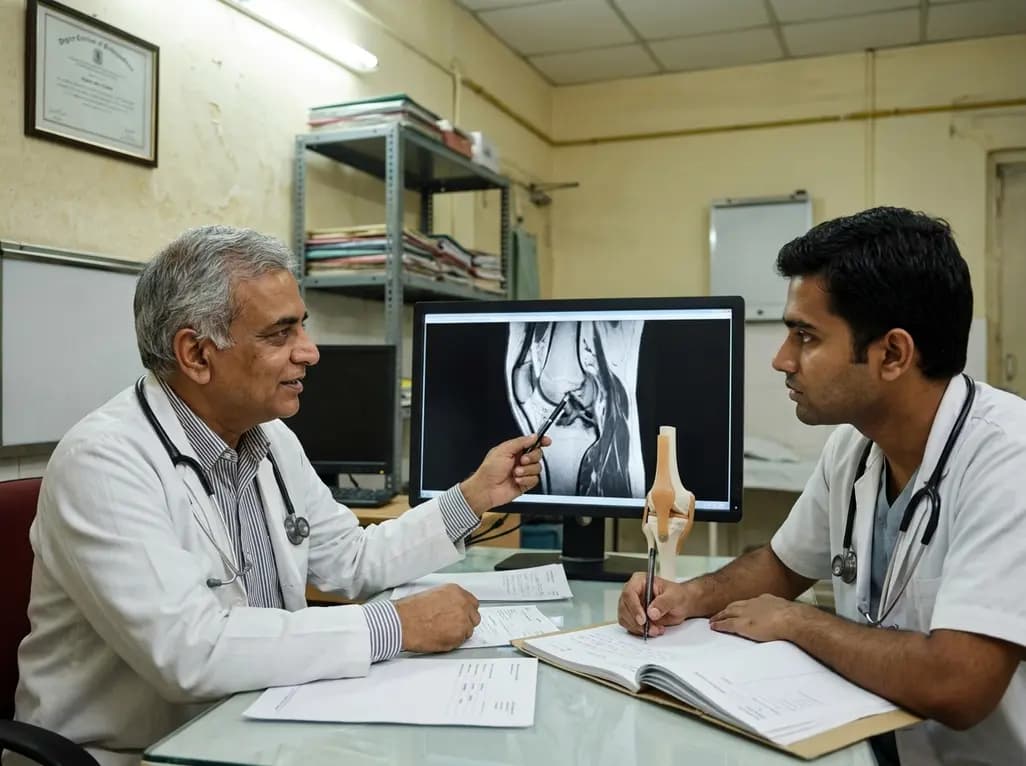
Anterior cruciate ligament reconstruction failure lacks uniform definition. A narrative review proposes an integrative framework incorporating objective and subjective instability, persistent pain, restricted motion, graft rupture, and secondary meniscal injury to standardize clinical reporting.
Yesterday
A UK Biobank study of 471,540 participants reveals that metabolic syndrome increases incident gastric cancer risk by 36% (HR=1.36). A positive trend was observed with accumulating metabolic components, with waist circumference showing the strongest association, highlighting modifiable risk targets.
2 days back
