
Loading, please wait...
.webp&w=384&q=75)
Loading, please wait...
"Wherever the art of Medicine is loved, there is also a love of Humanity."
Hippocrates
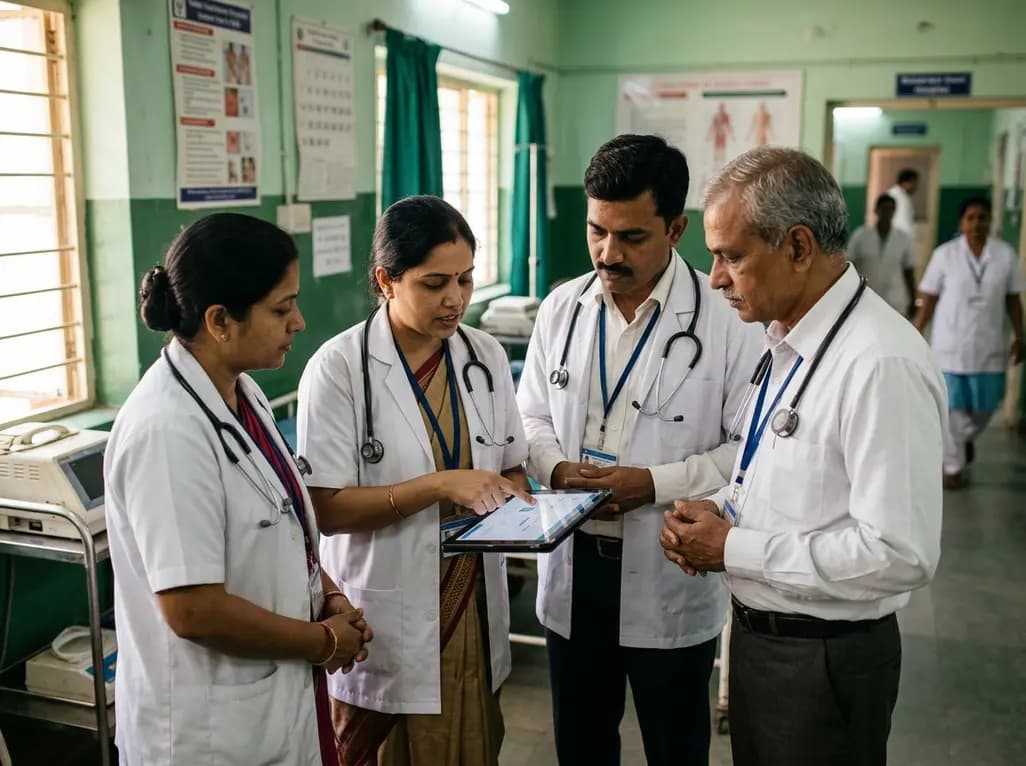
The clinical landscape of reproductive medicine in India is experiencing a significant shift toward patient-centric solutions. Fertility care provider Santaana Fertility recently announced a strategic collaboration with Magnet Hospitals to expand its clinical presence across Bengaluru. Backed by a robust investment of ₹50 crore, this partnership aims to establish a network of eight state-of-the-art centers. Consequently, these facilities will deliver highly advanced integrated reproductive care designed to treat complex infertility cases. This collaborative venture combines clinical excellence with institutional support to ensure better healthcare delivery for aspiring parents throughout the region.
To understand the true value of this expansion, one must examine the clinical definition of integrated reproductive care. Historically, infertility treatments in urban areas have operated within highly fragmented frameworks. Patients often navigate multiple diagnostic labs, separate counseling clinics, and independent surgical centers. However, this newly established partnership aims to dismantle these clinical silos. By integrating Santaana Fertility's clinical expertise with Magnet Hospitals' comprehensive healthcare ecosystem, patients will receive seamless care under a single umbrella. This unified model ensures that endocrinology, genetics, immunology, and surgical interventions are structurally aligned. Consequently, reproductive specialists can easily collaborate in real-time, which significantly reduces diagnostic delays. Furthermore, this structural integration allows for a continuous flow of patient data, improving overall safety. Clinicians can confidently coordinate therapeutic protocols while minimizing the logistical stress typically endured by couples. Therefore, this hospital-linked system represents a milestone in clinical delivery, creating a highly organized standard for reproductive healthcare in Karnataka.
Under the clinical guidance of Padma Shri awardee Dr. Kamini Rao, Santaana Fertility has long championed evidence-based interventions. This new expansion continues to emphasize personalized treatment pathways rather than a traditional volume-driven IVF model. Indeed, the global fertility sector often faces criticism for focusing excessively on the number of completed cycles. In contrast, this collaborative network prioritizes detailed medical assessments to target specific physiological barriers. By focusing on quality clinical decision-making, the centers aim to optimize outcomes on the very first attempt. Dr. Kamini Rao emphasizes that ethical practices must dictate reproductive medicine. Accordingly, the network actively discourages premature or unnecessary therapeutic steps that offer low clinical utility. This philosophical pivot protects patients from the physical toll of repeated, unsuccessful cycles. Additionally, it establishes a transparent standard where clinical success is measured by live birth rates per initiated cycle rather than sheer volume. Ultimately, this approach elevates the reputation of the participating institutions. It proves that scaling a clinical practice does not require compromising medical empathy or scientific integrity.
Empirical treatment approaches often lead to unexplained failures and emotional exhaustion for couples undergoing fertility treatments. To address this, the expanded Bengaluru network will implement highly sophisticated diagnostic protocols before initiating any invasive procedures. Specifically, these protocols will include comprehensive evaluations such as advanced genetic testing, reproductive immunology, and specialized male fertility diagnostics. By addressing both maternal and paternal factors simultaneously, clinicians can uncover previously hidden barriers to successful implantation. For example, reproductive immunology helps identify uterine microenvironments that might reject an embryo. Similarly, detailed male fertility diagnostics go beyond standard semen analysis to evaluate DNA fragmentation. Genetic screening of prospective parents can also prevent the transmission of inheritable disorders. Therefore, these advanced tools empower clinicians to design targeted, evidence-based therapeutic regimens. This diagnostic-first approach is strategically designed to improve first-cycle IVF success rates. Consequently, patients avoid the high costs and physical demands of multiple cycles. By relying on objective data rather than trial-and-error methodologies, these centers elevate the standard of care to match global benchlines.
A primary concern during healthcare mergers and expansions is the potential dilution of clinical independence. Addressing this concern directly, Santaana Fertility will retain complete clinical autonomy under its partnership with Magnet Hospitals. Crucially, all medical decisions, treatment protocols, and ethical standards will remain under the strict supervision of its clinical leadership. This structural independence ensures that commercial targets do not influence medical advice. Doctors can make evidence-based decisions solely in the best interest of their patients. Moreover, maintaining absolute clinical autonomy allows the medical team to uphold rigorous ethical boundaries. For instance, treatment recommendations will continue to be driven by peer-reviewed guidelines rather than corporate parameters. This structure protects the sacred doctor-patient relationship, fostering long-term trust. The institutional framework of Magnet Hospitals will provide operational support, but the clinical heart of the centers remains unchanged. This clear division of responsibilities sets an excellent precedent for future healthcare collaborations across India. It demonstrates that medical practices can scale efficiently while fully preserving the integrity of their clinical custodians.
Fertility treatments are rarely just medical procedures; they are deeply emotional and financial journeys for most families. Recognizing this reality, the expanded Bengaluru network integrates robust supportive frameworks alongside its advanced physiological treatments. Patients will have continuous access to professional psychological counseling to manage the anxiety and stress associated with infertility. Furthermore, transparent financial guidance will be provided at the very beginning of the clinical journey. This proactive approach helps couples understand all potential costs upfront, eliminating hidden charges and unexpected financial burdens. By offering flexible financial pathways and structured payment models, the network makes elite fertility care more accessible. Additionally, emotional support programs help reduce drop-out rates, which often occur when patients feel overwhelmed. Combining clinical precision with compassionate counseling creates a holistic healing environment. When patients feel psychologically supported and financially informed, they are better equipped to make sound clinical decisions. Ultimately, this comprehensive support strategy ensures that the human element of medicine is never lost in translation during rapid technological scaling.
Q1: What is the main objective of the partnership between Santaana Fertility and Magnet Hospitals?
The primary goal is to establish a network of eight state-of-the-art fertility centers across Bengaluru backed by a ₹50 crore investment. This strategic collaboration leverages Santaana Fertility's deep clinical expertise and Magnet Hospitals' robust healthcare ecosystem. Together, they aim to deliver high-quality, personalized, and evidence-based care, shifting the regional market focus away from volume-driven IVF models toward superior, customized clinical outcomes.
Q2: How does the diagnostic-first approach help patients undergoing fertility treatments?
By prioritizing comprehensive diagnostics—including advanced genetic screening, reproductive immunology, and specialized male fertility evaluations—the clinics identify the precise underlying causes of infertility first. This highly scientific approach helps clinicians design customized, targeted treatment protocols. Consequently, it significantly improves first-cycle success rates while reducing unnecessary medical interventions, emotional stress, and treatment expenses for prospective couples.
Q3: Will the medical teams retain their clinical independence after this corporate partnership?
Yes, Santaana Fertility retains complete clinical autonomy under this partnership. All clinical decisions, treatment protocols, and ethical standards remain under the exclusive supervision of its clinical leadership team. This structural independence safeguards the integrity of medical practices, ensuring that diagnostic and treatment decisions are made solely based on the patients' specific clinical needs rather than commercial targets.
Disclaimer: This content is for informational and educational purposes only. It does not constitute medical advice or replace professional judgment. Refer to the latest local and national guidelines for clinical practice.
References
Link will be sent via SMS to your number.



Santaana Fertility partners with Magnet Hospitals to launch eight centers in Bengaluru. With a ₹50 crore investment, this initiative prioritizes personalized, diagnostic-driven reproductive care over high IVF volumes, improving outcomes.
Today

A comprehensive real-world study reveals that SGLT2 inhibitors are associated with a significantly lower risk of seizures and epilepsy compared to DPP-4 inhibitors and GLP-1 receptor agonists in patients with type 2 diabetes. Explore the neuroprotective potential of SGLT2i and its clinical implications.
Today
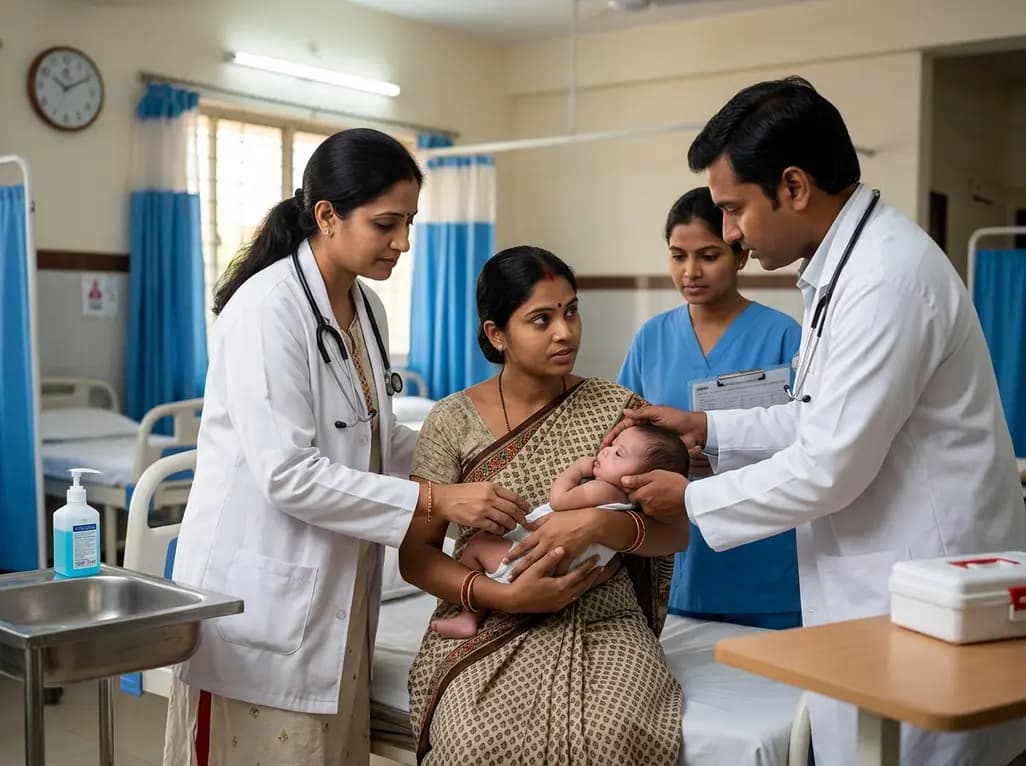
A comprehensive meta-analysis reveals that breastfeeding prevalence in infants with Down syndrome is similar to the general population, though exclusive breastfeeding remains a challenge. This article explores clinical barriers, anatomical factors, and effective support strategies for healthcare providers.
Today
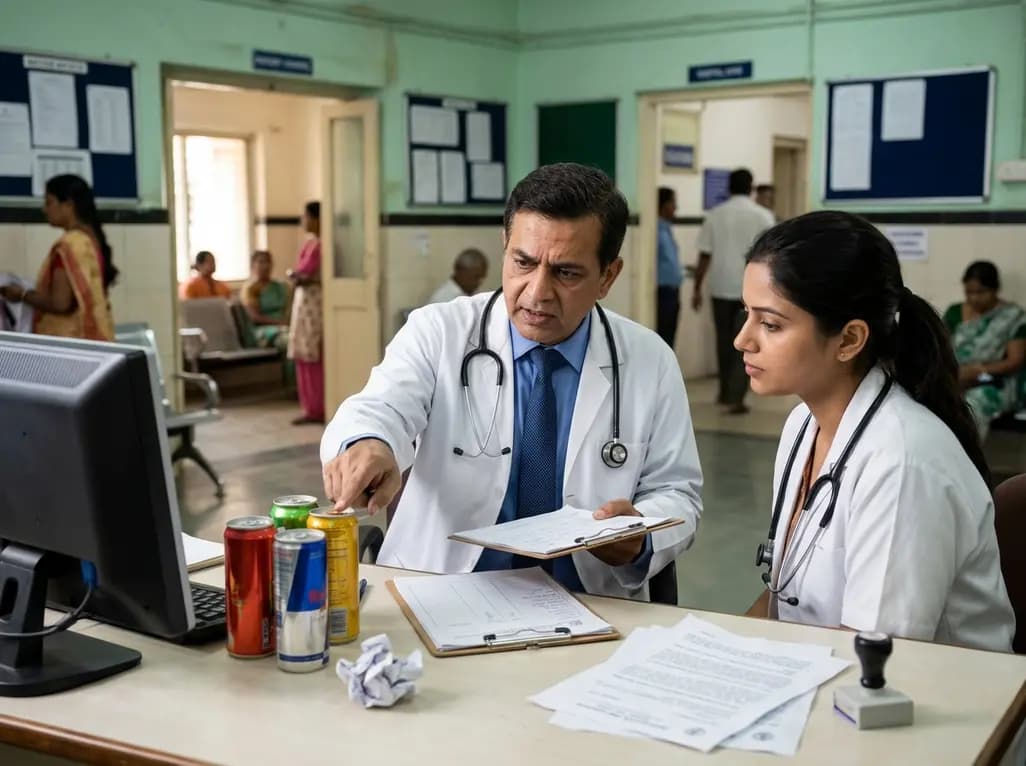
Explore the recent FSSAI crackdown on major energy drink brands, including Red Bull and PepsiCo, over misleading claims and misbranding. Understand the legal challenges, regulatory standards, and health risks associated with high-caffeine beverages, and the essential role of healthcare providers in patient education.
Today

A new study reveals a stark mismatch in total hip arthroplasty access between urban and rural areas. Despite 20% of the population being rural, they receive only 0.4% of procedures. This article explores surgeon distribution, geographic barriers, and potential solutions for surgical equity.
Today
The revision of the Australian Dietary Guidelines highlights the difficulty of translating epidemiological evidence into policy. This analysis explores the impact of observational data, cultural diversity, and ultra-processed foods on metabolic health recommendations for clinicians worldwide.
Today