.webp&w=384&q=75)

Loading, please wait...
Loading, please wait...
Breast cancer remains the most prevalent malignancy among women globally, representing a complex interplay of genetic, environmental, and lifestyle factors. Recent epidemiological evidence has increasingly highlighted the role of dietary habits in disease progression and risk. Specifically, the link between red meat breast cancer risk has become a focal point of public health research. A landmark study by Wang Z et al. (2026) utilized Global Burden of Disease (GBD) 2021 data to quantify this burden across G20 nations. The researchers found a substantial global increase in the age-standardized incidence of breast cancer cases attributable to high red meat intake. This rise reflects broader shifts in global nutrition patterns toward more animal-based proteins. Consequently, healthcare providers must understand these temporal trends to implement effective primary prevention. The magnitude of this challenge is significant, as red meat consumption often correlates with other metabolic risk factors. Understanding these dynamics is essential for mitigating the projected rise in global cancer morbidity and mortality over the next two decades.
To analyze the specific impact of dietary choices, the researchers employed a Comparative Risk Assessment (CRA) framework. This methodology allows for the quantification of the disease burden that would be avoided if population exposure to a risk factor was reduced to a theoretical minimum level. For red meat, this often refers to a consumption level that minimizes the risk of non-communicable diseases. By applying this framework to GBD 2021 data, the study tracked changes in incidence, mortality, and Disability-Adjusted Life Years (DALYs) over a 30-year period. Furthermore, temporal trends were meticulously evaluated using the Estimated Annual Percentage Change (EAPC). This statistical approach provides a clear picture of how the burden has evolved from 1990 to 2021. Notably, the study focused on G20 countries, which represent a significant portion of the global population and economic activity. The results demonstrate that while medical treatments have improved, the risk-attributable burden from diet continues to climb in many regions. Accordingly, this data underscores the necessity of addressing dietary risks at the population level rather than solely focusing on individual clinical interventions.
One of the most striking findings of the recent analysis is the disparity in burden across different Socio-demographic Index (SDI) levels. High SDI countries, which typically have more established healthcare systems and public health regulations, showed declining or stable burdens. This trend is likely due to increased health awareness, early screening programs, and successful dietary diversification. However, the situation is markedly different in low- and middle-SDI countries. These regions have experienced a pronounced increase in the breast cancer burden linked to high red meat intake. As these nations undergo rapid urbanization and economic transitions, dietary patterns often shift toward higher consumption of processed and red meats. This "nutrition transition" is frequently accompanied by a decrease in the consumption of plant-based foods and fiber. Moreover, the United States, China, and Japan together contributed nearly 45% of the total DALYs within the G20. This concentration highlights that even in high-income economies, the absolute burden remains massive due to large population sizes and historical dietary habits. Therefore, targeted prevention must account for these regional variations in development and lifestyle.
A particularly concerning trend identified in the GBD data is the shift toward an earlier onset of disease. Younger cohorts, particularly those aged 30 to 49, exhibited the highest risks derived from age-period-cohort (APC) models. This indicates that the red meat breast cancer association is having an increasingly significant impact on premenopausal women. Several factors may contribute to this phenomenon, including early-life exposure to dietary carcinogens and the hormonal effects of red meat consumption. High intake of red meat is often associated with higher levels of circulating insulin and estrogen-like compounds, which can promote mammary tissue proliferation. Additionally, the adoption of Westernized diets by younger generations in rapidly developing nations is accelerating this risk. Because breast cancer in younger women tends to be more aggressive, this earlier-onset burden poses a severe threat to public health and economic productivity. Clinical screening efforts traditionally focus on older populations; however, these findings suggest that dietary counseling should begin much earlier in life. Strengthening lifestyle interventions for women in their 20s and 30s is vital for reversing this trend.
Using Bayesian Age-Period-Cohort (BAPC) models, researchers have generated alarming projections for the coming decades. If current dietary trends persist without significant intervention, red meat-attributable DALYs are expected to rise by approximately 30% to 50% by 2040. This projected surge is driven by two main factors: the continued globalization of meat-heavy diets and the aging of the global population. As more individuals reach ages where cancer risk naturally increases, the cumulative effect of long-term red meat consumption becomes more evident. Furthermore, the rapid growth of populations in middle-SDI countries means that the absolute number of cases will likely overwhelm existing healthcare infrastructure. Consequently, the fiscal and social cost of treating advanced breast cancer will climb significantly. These projections serve as a call to action for policymakers to implement more rigorous dietary guidelines and public awareness campaigns. Without a fundamental shift in how meat consumption is regulated and perceived, the progress made in cancer survival through technology may be undermined by the rising incidence linked to preventable dietary risks.
The biological mechanisms linking red meat to breast cancer are multifaceted. The International Agency for Research on Cancer (IARC) classifies red meat as a Group 2A carcinogen, meaning it is "probably carcinogenic to humans." This classification is supported by evidence that high-temperature cooking methods produce heterocyclic aromatic amines and polycyclic aromatic hydrocarbons. These compounds are known mutagens that can damage DNA in breast tissue. Moreover, red meat is a significant source of heme iron, which can promote oxidative stress and lipid peroxidation. From a clinical perspective, risk reduction strategies should focus on substituting red meat with healthier protein sources. Evidence suggests that increasing the intake of poultry, fish, legumes, and nuts can significantly lower the risk of developing invasive breast cancer. Physicians should encourage patients to follow a more Mediterranean-style or plant-forward diet. Additionally, reducing the consumption of processed meats, which often contain nitrites and higher sodium levels, is equally important. Integrating these dietary recommendations into routine gynecological and primary care visits can empower women to take proactive steps in their long-term health management.
Research suggests that high red meat intake increases breast cancer risk through several mechanisms. These include the formation of carcinogenic compounds during high-heat cooking, the high content of heme iron that promotes oxidative damage, and the potential hormonal effects of fats that increase estrogen levels. Large-scale studies like the GBD 2021 analysis confirm that populations with higher meat consumption show a significantly greater age-standardized incidence of the disease over time.
While cancer risk generally increases with age, recent data shows a concerning rise in cases among younger women aged 30 to 49. This early-onset trend is particularly evident in developing nations undergoing nutritional transitions. Younger cohorts are increasingly exposed to Westernized, meat-heavy diets earlier in life. Because early-onset breast cancer is often more aggressive, addressing dietary habits in young adulthood is now considered a critical priority for long-term prevention strategies.
The most effective strategy is to limit red meat consumption and prioritize plant-based or leaner protein sources. Dietary guidelines generally recommend consuming no more than 350–500 grams of cooked red meat per week. Replacing beef and pork with fish, poultry, beans, and lentils can provide essential nutrients while lowering exposure to mutagens. Additionally, adopting healthy cooking methods, such as steaming or poaching instead of grilling or frying, further minimizes the formation of harmful compounds.
Disclaimer: This content is for informational and educational purposes only. It does not constitute professional medical advice, diagnosis, or treatment. Always seek the advice of your physician or another qualified healthcare provider with any questions you may have regarding a medical condition. Refer to the latest local and national guidelines for clinical practice.
References
Wang Z et al. Risk-Attributable Burden of Breast Cancer from High Red Meat Intake. Nutr Cancer. 2026 Jul 02. doi: 10.1080/01635581.2026.2694118. PMID: 42390910.
Bhangdia K, May ML, Kocarnik JM et al. Global, regional, and national burden of breast cancer among females, 1990–2023, with forecasts to 2050: a systematic analysis for the Global Burden of Disease Study 2023. The Lancet Oncology. 2026;27(3):302-326.
International Agency for Research on Cancer (IARC). Red Meat and Processed Meat: IARC Monographs on the Evaluation of Carcinogenic Risks to Humans, Volume 114. Lyon, France; 2018.
"
Read summarized clinical updates, watch expert medical content, and earn CME certifications right from your smartphone.
Open your smartphone camera to scan and install.





A comprehensive study using GBD 2021 data reveals a significant global increase in breast cancer cases linked to high red meat consumption. Trends suggest a disproportionate rise in low-to-middle SDI countries and younger cohorts, with total cases projected to increase by 50% by 2040.
3 weeks back
A community survey in Blantyre, Malawi, shows that sex differences in tuberculosis immunoreactivity emerge during early adulthood, peaking at age 21 with 1.58-fold higher conversion risk in males. Tobacco and alcohol use drive community transmission, highlighting the need for targeted active case finding.
2 days back
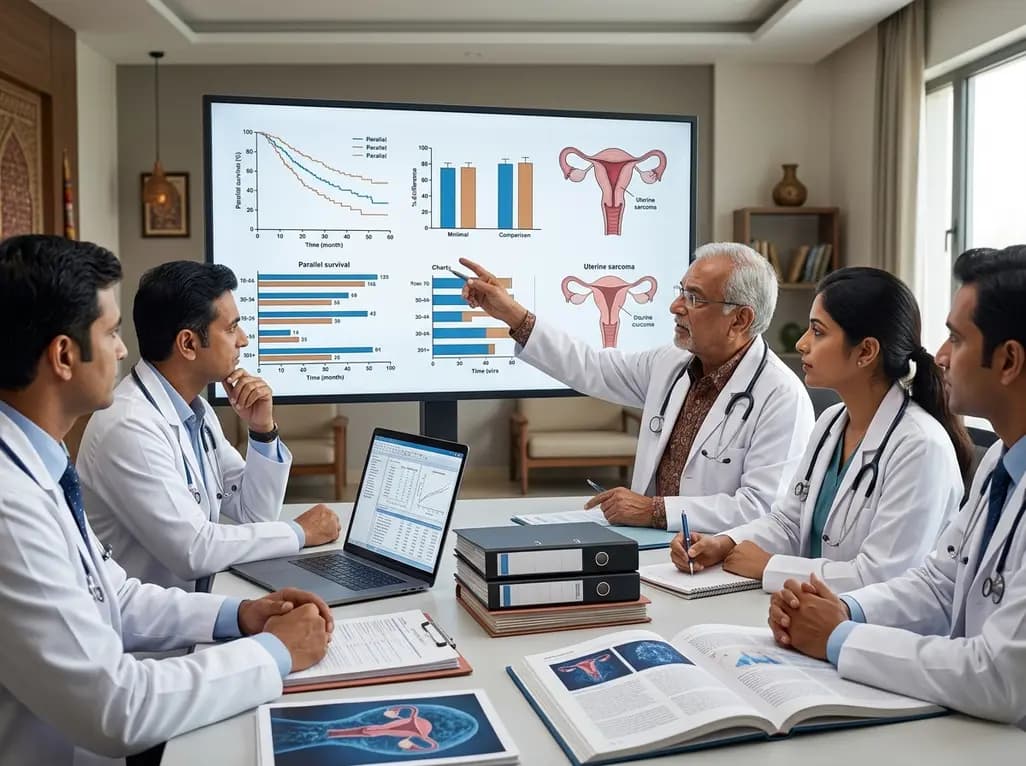
An 11-year Swedish registry study of 618 uterine sarcoma patients found that minimally invasive surgery yielded survival comparable to open surgery in early stages. However, adjuvant chemotherapy conferred no survival benefit in localized or advanced disease, highlighting stage and histology as key outcomes.
2 days back

A cross-sectional study evaluates post-intensive care syndrome in cardiac patients 2-4 weeks post-ICU discharge, highlighting cognitive, psychological, and functional impairments and the need for structured multidisciplinary rehabilitation.
2 days back
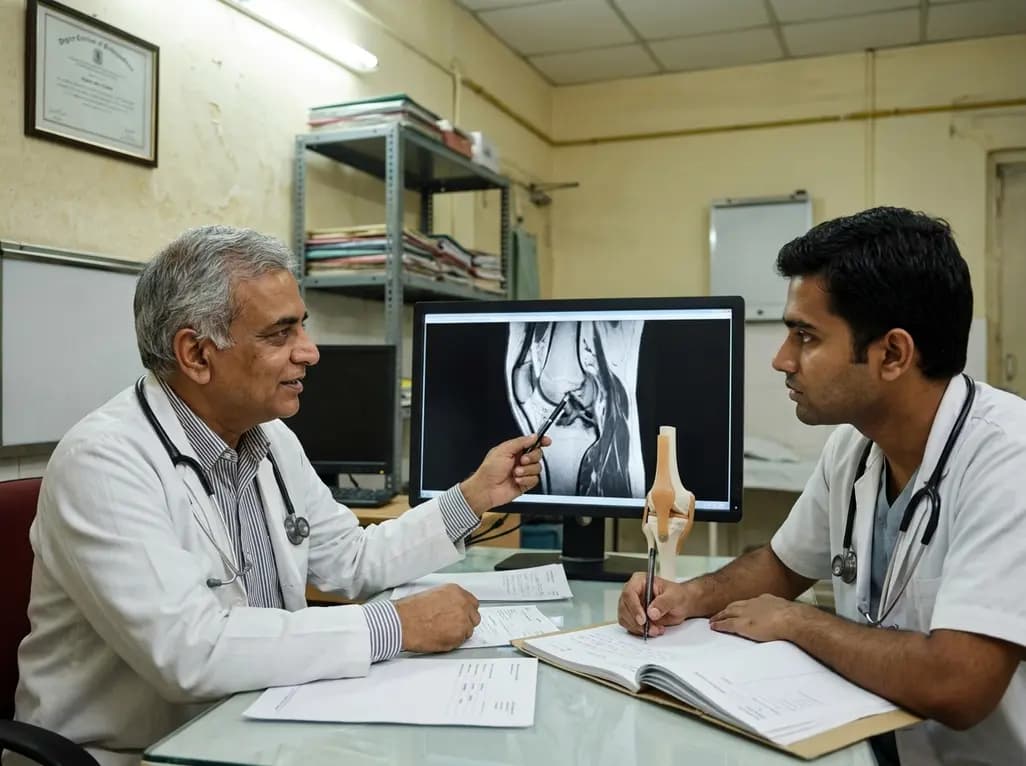
Anterior cruciate ligament reconstruction failure lacks uniform definition. A narrative review proposes an integrative framework incorporating objective and subjective instability, persistent pain, restricted motion, graft rupture, and secondary meniscal injury to standardize clinical reporting.
2 days back
A UK Biobank study of 471,540 participants reveals that metabolic syndrome increases incident gastric cancer risk by 36% (HR=1.36). A positive trend was observed with accumulating metabolic components, with waist circumference showing the strongest association, highlighting modifiable risk targets.
3 days back
