.webp&w=384&q=75)

Loading, please wait...
Loading, please wait...

Behçet's syndrome presents a significant clinical challenge due to its extreme heterogeneity and multisystemic nature. Clinicians frequently encounter manifestations ranging from simple mouth ulcers to life-threatening vascular or neurological involvement. Traditionally, treatment strategies followed generic pathways, yet modern medicine now shifts toward precision. A groundbreaking study published in June 2026 has revolutionized this field by identifying four distinct Behçet's syndrome subgroups through unsupervised machine learning. By integrating peripheral immune cell subsets with clinical features, researchers have finally established a biological map for this complex disorder. This development marks a vital step toward moving beyond trial-and-error therapy and implementing a more stratified clinical approach for better outcomes.
The identification of Behçet's syndrome subgroups relies on the sophisticated application of unsupervised machine learning to handle biological complexity. Specifically, the researchers utilized K-means clustering to analyze 201 patients based on an extensive array of clinical characteristics and flow cytometry data. Consequently, this method allows the high-dimensional data to self-organize, revealing natural biological divisions that standard classification might overlook. Furthermore, the inclusion of RNA sequencing in this study added a critical transcriptomic layer to the clinical observations. Notably, the team could link specific cellular patterns to unique pathway enrichments, such as the JAK-STAT or NF-κB pathways. Moreover, this technological integration effectively bridges the gap between observable symptoms and the underlying molecular drivers. Accordingly, the results demonstrate that patients with similar symptoms often share common immunological signatures. Therefore, this evidence supports the transition from a purely symptom-based diagnosis to a mechanistically informed classification system. Ultimately, this approach promises to enhance diagnostic accuracy and treatment efficacy in a previously unpredictable disease. Specifically, it allows clinicians to move toward a model of precision rheumatology that prioritizes individualized patient data.
Cluster 1 emerged as the most manageable subgroup, characterized primarily by isolated mucocutaneous lesions such as oral and genital ulcers. Notably, these patients exhibited significantly lower levels of systemic inflammation compared to the other identified clusters. The immunological profile revealed a unique enrichment in the IFN-γ and IL-6 pathways, alongside the activation of the JAK-STAT signaling cascade. Resultantly, these patients achieved high remission rates with standard therapeutic interventions like colchicine or topical steroids. Furthermore, the absence of major organ involvement makes this cluster a relatively low-risk group. However, clinicians must remain vigilant, as the transcriptomic signatures suggest a persistent predisposition toward specific inflammatory flares. Additionally, the researchers found that these patients often require less aggressive immunosuppression to maintain long-term stability. Moreover, the study highlights that while the symptoms are mild, the molecular signaling remains distinct and identifiable. Therefore, recognizing Cluster 1 allows physicians to avoid the potential toxicity of high-dose steroids or biologics when they are not strictly necessary. Consequently, patients in this subgroup benefit from reduced medication side effects and a significantly improved quality of life.
In contrast to the first group, Cluster 2 is defined by articular involvement and markedly elevated systemic inflammatory markers. Specifically, these patients presented with persistent arthritis that correlated with high C-reactive protein and erythrocyte sedimentation rate levels. The transcriptomic analysis revealed a stark enrichment in TNF signaling and B-cell activation pathways. Because of this specific molecular profile, these patients responded remarkably well to TNF-α inhibitors. Moreover, the data suggests that early intervention with biological agents could prevent permanent joint damage in this susceptible subgroup. Furthermore, the researchers observed that the immunological landscape in Cluster 2 is driven by a distinct set of T-cell and B-cell interactions. Consequently, this subgroup requires a more aggressive immunosuppressive strategy than the mucocutaneous-only group. Additionally, the high response rate to TNF inhibitors provides a clear and effective clinical pathway for managing refractory cases. Notably, identifying these patients early can streamline the treatment process and reduce the overall duration of active disease flares. Therefore, the distinction of Cluster 2 provides a valuable blueprint for managing the musculoskeletal aspects of Behçet’s syndrome. Ultimately, this knowledge empowers rheumatologists to tailor their prescriptions based on established immunological phenotypes.
Cluster 3 represents a high-stakes subgroup with prominent cardiovascular involvement, including arterial and venous thrombosis. Immunologically, these patients showed a marked reduction in CLA+ regulatory T cells, which are vital for maintaining vascular homeostasis. Furthermore, transcriptomic data highlighted the activation of coagulation, platelet activation, and MAPK pathways within this specific group. Notably, these patients also showed favorable clinical responses to TNF-α inhibitors, similar to those in the arthritis cluster. However, the added risk of thrombosis necessitates the simultaneous management of the coagulation cascade alongside immunosuppression. Additionally, the reduction in specific Treg subsets suggests a failure in the body’s natural anti-inflammatory mechanisms within the vasculature. Moreover, the researchers identified that platelet activation plays a central role in driving the vascular damage seen in this cluster. Consequently, a multidisciplinary approach involving cardiologists and vascular surgeons is often necessary for optimal care. Furthermore, the study underscores the importance of monitoring vascular markers in patients who exhibit this specific immunological profile. Therefore, Cluster 3 highlights the critical need for integrating anticoagulation strategies with potent immunosuppressive therapy. This targeted approach is essential for preventing life-threatening cardiovascular events in susceptible patients.
The most challenging subgroup identified was Cluster 4, which is characterized by significant neurological involvement and poor outcomes. These patients exhibited a disappointing response to traditional therapies and had the lowest remission rates among all identified groups. Immunologically, the study found a significant elevation in CD161+ regulatory T cells and transcriptomic enrichment in NF-κB pathways. Interestingly, while standard treatments often failed, these patients showed a better clinical response to mycophenolate mofetil. Furthermore, the high expression of T-cell activation genes explains the aggressive and resistant nature of the disease in this cluster. Resultantly, clinicians may need to consider mycophenolate mofetil earlier in the treatment course for patients fitting this profile. Additionally, the involvement of the central nervous system requires rapid and potent immunosuppression to prevent irreversible neurological deficits. Moreover, the research suggests that the NF-κB pathway might be a potential target for future drug development in neuro-Behçet's cases. Consequently, identifying Cluster 4 early is paramount for preventing long-term disability and improving survival. This finding provides a necessary departure from the common use of TNF inhibitors when T-cell-specific agents might be more effective.
Cluster analysis allows clinicians to categorize patients into Behçet's syndrome subgroups based on shared biological and clinical patterns. Instead of treating every patient with a standard protocol, doctors can now predict which medications, such as TNF inhibitors or mycophenolate mofetil, will be most effective. This precision-based approach reduces the time spent on ineffective treatments, minimizes drug toxicity, and significantly improves the chances of achieving long-term clinical remission.
The neurological subgroup, or Cluster 4, is uniquely identified by elevated levels of CD161+ regulatory T cells. Transcriptomic profiling further reveals a significant enrichment in T-cell activation and NF-κB signaling pathways. Unlike other clusters that respond well to TNF inhibitors, this group shows a preferential response to mycophenolate mofetil. Understanding these specific markers helps clinicians identify high-risk patients early and initiate the most appropriate immunosuppressive therapy to prevent permanent damage.
Cluster 1 is primarily defined by isolated mucocutaneous involvement, such as oral and genital ulcers, without major organ damage. Immunologically, these patients demonstrate lower systemic inflammation and a transcriptomic profile focused on IFN-γ and IL-6 pathways. Because the disease remains localized to the skin and mucous membranes, it responds more readily to standard treatments. Consequently, these patients experience fewer complications and higher remission rates than those with cardiovascular or neurological involvement.
Disclaimer: This content is for informational and educational purposes only. It does not constitute professional medical advice, diagnosis, or treatment. Always seek the advice of your physician or other qualified healthcare provider with any questions you may have regarding a medical condition. Refer to the latest local and national guidelines for clinical practice.
References
Li J et al. Identification of distinct subgroups in Chinese patients with Behçet's syndrome via cluster analysis of immune cells and clinical features. Arthritis Res Ther. 2026 Jun 29. doi: 10.1186/s13075-026-03851-5. PMID: 42366396.
Zou J, et al. Cluster analysis of phenotypes of patients with Behçet's syndrome: a large cohort study from a referral center in China. Arthritis Res Ther. 2021 Jan 30;23(1):45.
Yalçındağ FN, et al. Clusters in paediatric Behçet's disease: a multicentre international study. RMD Open. 2025 Jul 5;11(2):e005335.

Read summarized clinical updates, watch expert medical content, and earn CME certifications right from your smartphone.
Open your smartphone camera to scan and install.





A groundbreaking study utilized machine learning to identify four distinct Behçet's syndrome subgroups based on immune cell profiling and clinical features. This discovery offers a biological map for personalized therapy, moving beyond trial-and-error treatment toward stratified medicine.
3 weeks back

The Democratic Republic of Congo is facing a severe epidemic driven by the Bundibugyo virus, with over 3,000 confirmed cases and 1,350 deaths across five provinces. While existing Ebola vaccines target the Zaire strain, clinical trials for a new candidate from Oxford University have urgently commenced.
Today

An 11-year Swedish registry study of 618 uterine sarcoma patients found that minimally invasive surgery yielded survival comparable to open surgery in early stages. However, adjuvant chemotherapy conferred no survival benefit in localized or advanced disease, highlighting stage and histology as key outcomes.
2 days back

A cross-sectional study evaluates post-intensive care syndrome in cardiac patients 2-4 weeks post-ICU discharge, highlighting cognitive, psychological, and functional impairments and the need for structured multidisciplinary rehabilitation.
3 days back
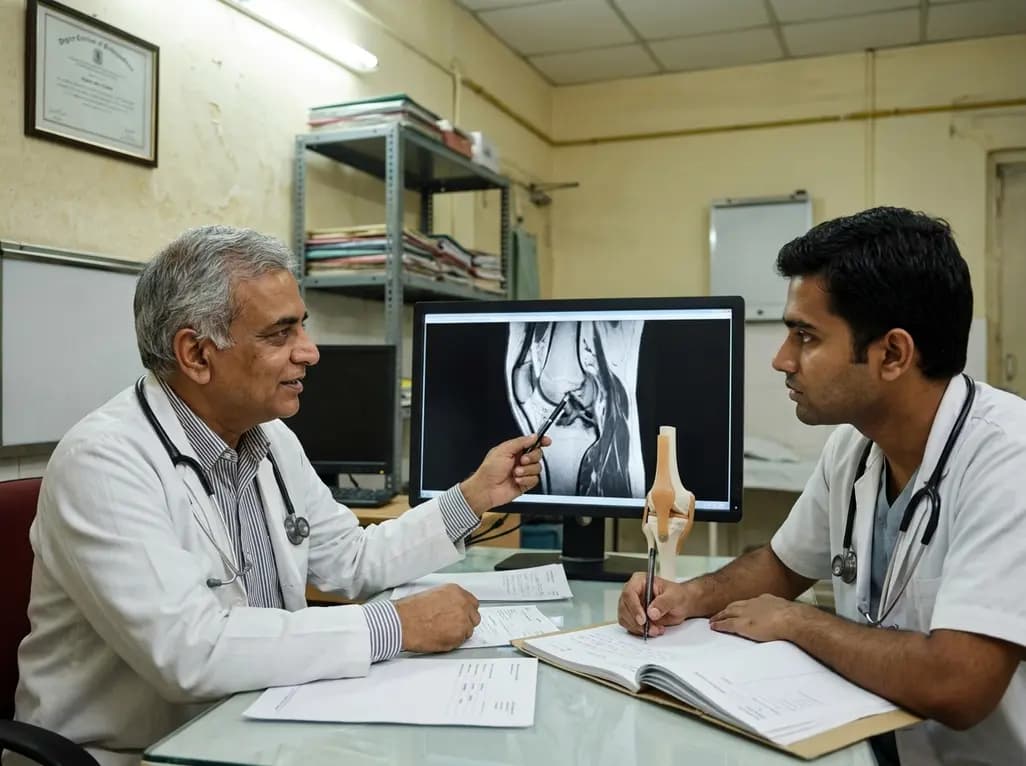
Anterior cruciate ligament reconstruction failure lacks uniform definition. A narrative review proposes an integrative framework incorporating objective and subjective instability, persistent pain, restricted motion, graft rupture, and secondary meniscal injury to standardize clinical reporting.
3 days back
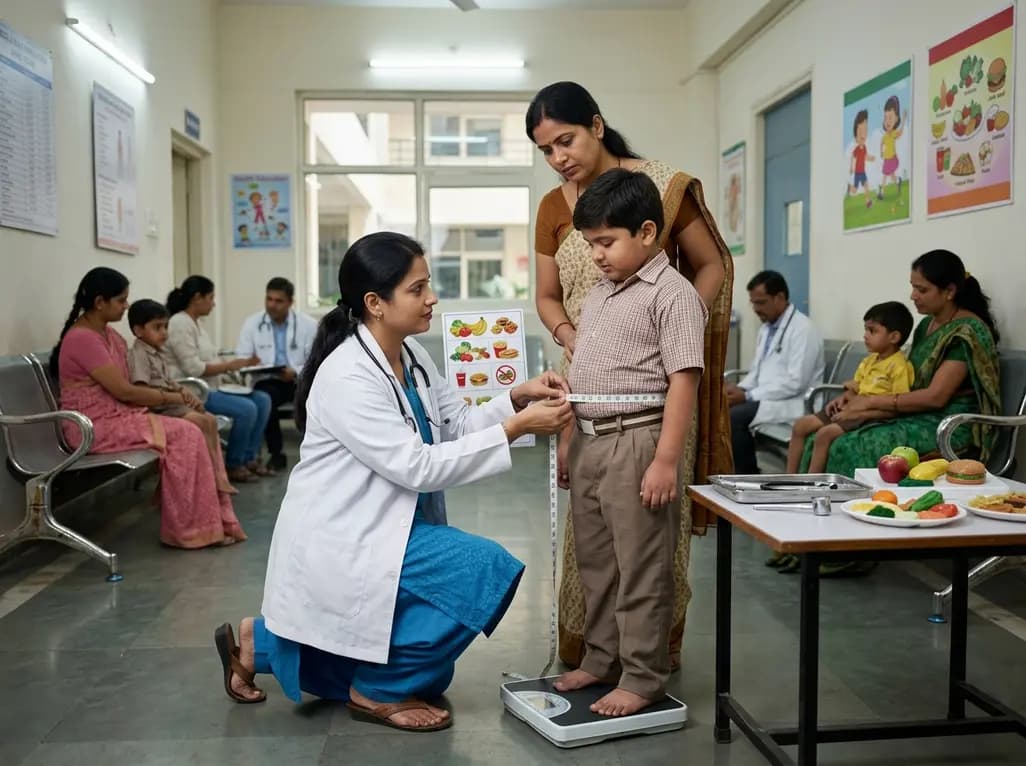
With World Obesity Atlas data warning that over 41 million Indian children are overweight or obese, ICMR and NIN have unveiled a 10-point policy roadmap. The initiative calls for mandatory front-of-pack labeling, HFSS taxes, strict marketing bans, and healthier school environments to curb non-communicable diseases.
Today
